When considering how to choose the best surge protectors for your needs, expert in electrical safety, Dr. Emily Richards, emphasizes, “Not all surge protectors are created equal.” Surge protectors play a crucial role in safeguarding your electronic devices from power spikes. These devices can save expensive equipment from damage due to voltage fluctuations.
Understanding your specific requirements is essential. Some surge protectors are better suited for home use, while others cater to commercial needs. Factors such as joules rating and response time greatly impact their effectiveness. However, many consumers overlook these details, opting for cheaper options that may not provide adequate protection.
Choosing the right surge protector can feel overwhelming. There are numerous features to consider, but clarity is key. Realistically assessing your power needs and understanding surge protection ratings will guide you toward a more informed decision. Ultimately, investing time in this choice can ensure the longevity of your valuable devices.
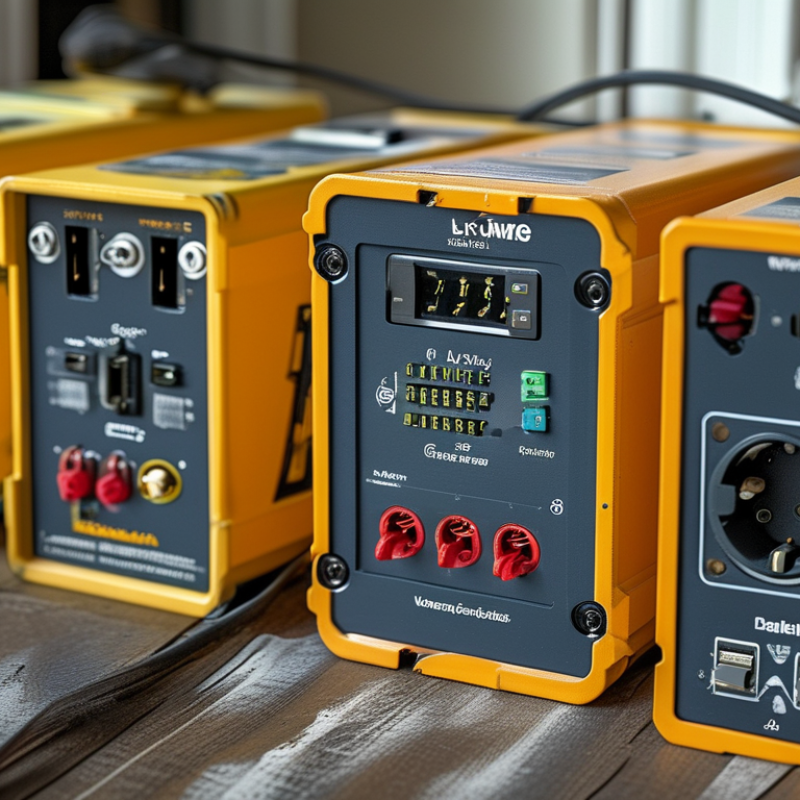
Surge protectors play a crucial role in safeguarding electronic devices from voltage spikes. Understanding their types and features is essential for informed choices. There are various surge protector types, including basic models that protect against minor spikes and advanced ones designed for heavy-duty equipment.
For instance, a common specification is the joule rating. This indicates how much energy a surge protector can absorb before failing. A protector with a joule rating of 1,000 to 2,000 joules is suitable for standard home electronics. In contrast, sensitive devices like computers may require protectors exceeding 2,500 joules. It’s advisable to assess your devices' power needs before choosing a protector.
Moreover, consider features such as response time and the number of outlets. Many protectors claim to have a response time of less than one nanosecond, which is crucial for immediate protection. However, not all models deliver. A reputable source suggests that up to 80% of consumers may overlook these critical details, leading to poor equipment safety. Investing time in research can lead to better protection for your devices.
When selecting a surge protector, understanding
voltage and
amperage ratings is crucial. Every device
has specific electrical needs. For instance, a laptop may have a voltage rating around
19 volts, while smaller gadgets often operate on
5 volts. Ignoring these details can lead to
unsuitable protection or even damage to your devices.
Amperage ratings matter just as much. Surge protectors have maximum amperage limits. If
your devices exceed this limit, the protector won’t function effectively. For example,
high-performance gaming computers can draw significant power. Choosing a surge protector
with a higher amp rating can ensure your devices are safe.
It’s essential to evaluate your devices carefully. Look for patterns in your usage. Many
people overlook this and purchase protectors based solely on price. A reliable surge
protector is an investment. It protects your valuable electronics from harm and ensures
longevity. Understanding voltage and amperage is key to making an informed choice.
Choosing the right surge protector for specific environments is crucial for ensuring safety and device longevity. Various settings have distinct electrical needs. For home offices, look for a model with at least 2,000 joules of protection. Reports indicate that devices can suffer damage after even a small surge. In contrast, commercial settings may require protectors that handle higher voltages and offer extensive warranties.
When considering outdoor equipment, weather-resistant models are essential. Many surge protectors are rated for indoor use only. According to electrical safety standards, outdoor devices should be rated for moisture resistance to avoid potential failures. For sensitive electronics, like servers, opt for a network-grade protector to manage higher energy transients effectively. Advanced models include features such as indicators for proper grounding.
User reviews often highlight the importance of choosing protectors with multiple outlets and USB ports to accommodate various devices. However, not all surge protectors offer the same quality. Some come equipped with indicators that signal protective status, while others lack essential features. This inconsistency can lead to unprotected valuable devices. It's vital to cross-reference user experiences and manufacturer specifications to make informed choices.
| Environment Type | Recommended Surge Protector Type | Key Features | Joule Rating |
|---|---|---|---|
| Home Office | Wall-mounted Surge Protector | Multiple outlets, USB ports, LED indicators | 1000-2000 Joules |
| Living Room | Power Strip | Surge protection, compact design, on/off switch | 800-1500 Joules |
| Industrial | Industrial Surge Protector | Heavy-duty, high joule rating, network protection | 3000+ Joules |
| Data Center | Rack-mounted Surge Protector | Remote monitoring, high-speed data protection | 2000-4000 Joules |
| Outdoor | Weather-resistant Surge Protector | Rain-proof, grounded outlets, high joule rating | 1500-2500 Joules |
When selecting a surge protector, considering additional functions is essential. USB ports can be a game-changer for modern devices. They allow you to charge smartphones, tablets, and other electronics without searching for a wall outlet. Look for models that offer multiple USB ports, ensuring you can power several devices simultaneously.
Flat plugs are another feature worth considering. They often take up less space, making them ideal for tight areas behind furniture. A flat design can also reduce strain on the outlet. This can prevent accidental disconnections and damage over time. However, not all flat plugs provide the same level of protection. Some may not handle high wattage devices well, which is crucial for safely managing your electronics.
Choosing the right surge protector involves personal needs. Assess which features will make your daily tasks easier. Each home has unique challenges, so what works for one may not suit another. Reflect on your charging habits. This will guide your decision, ensuring you select a surge protector that enhances your experience.
When selecting surge protectors, reading reviews can provide invaluable insights. User experiences often highlight the performance of different models. Recognizing quality certifications is equally important. These certifications indicate the surge protector's safety and reliability.
Tips: Look for reviews that discuss both short-term and long-term performance. Pay attention to how well a surge protector handles large power surges. Some models may fail after repeated use, so check for longevity in customer feedback.
Understanding certifications can be challenging. Familiarize yourself with common terms like UL 1449, which indicates compliance with safety standards. However, not all five-star products may deliver the promised protection. Even trusted brands can have issues, so evaluate each product carefully. User stories about failures can prompt better decisions in the future.
: Surge protectors safeguard electronic devices from voltage spikes. They help prevent damage during power surges.
Assess your devices’ power needs. Standard home electronics need protectors with 1,000 to 2,000 joules.
Look for response time, number of outlets, and indicators for grounding. These features can significantly enhance protection.
No, many are rated for indoor use only. Choose weather-resistant models for outdoor equipment to avoid failures.
User reviews provide insights on performance and longevity. They help identify models that may fail after repeated use.
Look for certifications like UL 1449. They indicate safety and reliability, but not all high-rated products may perform well.
Opt for network-grade protectors for sensitive devices. They manage higher energy transients effectively, improving device safety.
Yes, but quality varies. Some may lack essential features. Researching user experiences is crucial for making informed choices.
Choosing poorly can leave valuable devices unprotected. Inconsistent quality means some models may not deliver adequate safety.
Take time to research specifications and user reviews. Many consumers overlook important features, risking equipment safety.
When choosing the best surge protectors for your needs, it's essential to understand the various types and features available. Surge protectors can differ in terms of voltage and amperage ratings, which should match your devices to ensure optimal protection. Additionally, it's crucial to identify the appropriate surge protector for specific environments, whether for home, office, or outdoor use.
Consideration of additional functions, like USB ports and flat plugs, can enhance convenience and usability. Moreover, reading reviews and checking certifications can provide assurance of the quality and reliability of the surge protectors you are considering. By evaluating these aspects carefully, you can find the surge protector that best fits your requirements and safeguards your valuable electronic devices.
Igoye Energy