How to Choose the Best Heat Shrink Tubing for Your Needs?

Time:2026-08-27 Author:Isabella
0%

Choosing the right "Heat Shrink Tubing" can enhance your projects significantly. Expert Jane Doe, a leading figure in the tubing industry, states, "The right heat shrink tubing can make a world of difference in electrical safety and durability." Understanding your specific needs is vital.

Different applications require different types of heat shrink tubing. Factors like temperature rating, diameter, and color play essential roles. However, many users overlook these details, leading to inadequate protection and safety risks.

The choices available in the market can be overwhelming. Users often need time to reflect and find the best fit for their needs. Seeking advice from knowledgeable sources can help in making informed decisions. Reliable heat shrink tubing ensures long-lasting performance and safety in any application.
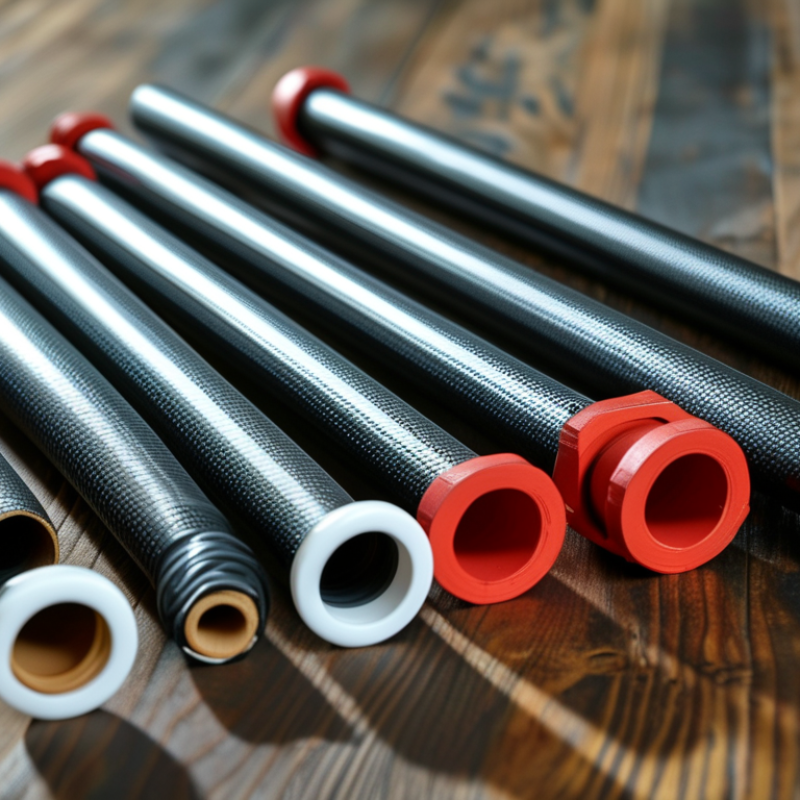
How to Choose the Best Heat Shrink Tubing for Your Needs?

Understanding Heat Shrink Tubing: Types and Their Applications

Heat shrink tubing is a versatile tool used across various industries. It's essential to understand its types to maximize application effectiveness. Common types include polyolefin, PVC, and fluoropolymer materials. Polyolefin offers flexibility and is suitable for general wiring applications. PVC is often used for insulation but has a lower resistance to heat. Fluoropolymer tubing provides high-temperature resistance and chemical protection, making it ideal for specialized applications.

When selecting tubing, consider the temperature rating. Each type has its own limits. Choose a tubing that can withstand the maximum temperature of your environment. It's also important to think about the diameter. The right fit ensures proper coverage and protection. Using tubing that's too tight can lead to damage after shrinking, while loose tubing may not provide adequate insulation.

Pay attention to color coding for identification. This is especially useful in complex wiring setups. For different applications, think about the flexibility required. Some applications may need more rigid tubing while others can accommodate softer materials. Reflect on your needs and preferences to make the most informed choice. The right heat shrink tubing can enhance safety and durability in your projects.

Heat Shrink Tubing Types and Applications

Evaluating Key Factors: Size, Material, and Temperature Ratings

When selecting heat shrink tubing, size is a critical factor. Measure the diameter of the wires or components you want to cover. The tubing should snugly fit over these items before shrinking. If it’s too large, it won't provide an effective seal. Too small, and you risk damaging your wires. Proper sizing ensures a reliable and professional-looking finish.

Material choice also plays a vital role. Common options include polyolefin, PVC, and fluoropolymer. Each material has distinct properties that affect durability and flexibility. Polyolefin is popular for its balance between strength and cost. PVC is often less flexible but offers good insulation. Consider the specific environment your tubing will face, like exposure to chemicals or extreme temperatures.

Lastly, temperature ratings should align with your application. Heat shrink tubing comes with various ratings. Choose tubing that can withstand the conditions it will encounter. If the tubing fails under heat, the protection it provides will diminish. Testing different materials and sizes might feel tedious but leads to better outcomes. A thorough understanding of these key factors ensures you select the right heat shrink tubing for your needs.

Determining the Right Shrink Ratio for Your Project Needs

Choosing the right shrink ratio for heat shrink tubing is crucial for any project. The shrink ratio indicates how much the tubing will contract when heated. Common ratios are 2:1 and 3:1, meaning the tubing can shrink to half or a third of its original size, respectively. For example, a tubing listed as 2:1 can fit around various substrates, including connectors and cables, without being too tight. Inadequate shrink ratios can lead to unreliable connections or damage during installation.

Factors like environment and material compatibility matter. For outdoor applications, a higher shrink ratio might enhance protection against moisture and UV exposure. Industry standards suggest using 3:1 heat shrink for thicker cables or when adequate coverage is needed. According to a recent market report, more than 50% of failures in electrical insulation happen due to improper shrink tubing applications. This emphasizes the importance of choosing the right ratio.

Installation can be tricky; improper heating can also lead to issues. Tubing may not shrink efficiently if not heated evenly. Some may overheat one side, causing deformation. It's essential to ensure a balanced application of heat. Therefore, trial and testing can prove beneficial for complex projects, even if it seems tedious. Striking the right balance between shrink ratio and application technique can significantly impact your project's outcome.

Considerations for Environment and Application: Your Specific Requirements

Choosing the right heat shrink tubing requires understanding your specific needs. Consider the environment where the tubing will be used. Will it be exposed to extreme temperatures or moisture? Each environment demands different materials. For instance, marine applications require durable tubing to resist saltwater corrosion.

Think about the application as well. If you need to insulate wires, choose tubing that shrinks tightly. A loose fit can lead to exposure and potential damage. Does the application involve high voltage? Opt for thicker walls for better protection. Evaluate the hazards you may encounter. Reflecting on these factors helps in making informed choices.

Lastly, don't overlook your available options. There's a wide range of sizes and colors. It can be overwhelming. Make samples to test effectiveness, rather than assuming one type will work for all situations. Remember, sometimes a trial-and-error approach is necessary to find the best fit for your needs.

Tips for Proper Installation and Usage of Heat Shrink Tubing

Choosing the right heat shrink tubing is crucial for ensuring durability and performance. Proper installation plays a significant role in achieving the desired results. Attention to detail can make all the difference.

Correctly preparing the surface is essential. Clean the area where the tubing will be applied. Any dirt or debris can interfere with adhesion. For optimal results, select a heat gun for shrinking. It offers consistent heating without direct flames.

Monitor the temperature closely during the process. Overheating can cause the tubing to shrink unevenly or even damage the wires underneath. If you notice any bubbles or uneven shrinkage, it may indicate excessive heat or inadequate coverage. Rethink your technique to achieve a smoother finish.

Finally, let the tubing cool completely before handling. This step ensures the material sets correctly and adheres firmly. Rushing this process might lead to poor performance in the long run. Being mindful in installation is key to the reliability of your electrical connections.

FAQS

: How do I choose the right size for heat shrink tubing?

: Measure the diameter of wires or components. The tubing should fit snugly for an effective seal.

What materials are commonly used for heat shrink tubing?

Common materials include polyolefin, PVC, and fluoropolymer. Each has distinct properties affecting flexibility and durability.

How do temperature ratings affect my choice?

Choose tubing that aligns with the temperatures it will encounter. Failure under heat diminishes the protection it provides.

What environmental factors should I consider?

Assess whether it will face extreme temperatures or moisture. Marine applications need durable tubing for saltwater resistance.

How can I ensure proper installation of heat shrink tubing?

Clean the surface before application. Dirt can interfere with adhesion and performance.

Why is it important to monitor temperature during shrinking?

Overheating can cause uneven shrinkage or damage wires beneath. Keep a close watch on the temperature to avoid issues.

What should I do if shrinkage appears uneven?

If bubbles or unevenness occur, rethink your technique. Adjusting your approach can lead to a smoother finish.

How long should I wait before handling the tubing?

Let the tubing cool completely before handling. Rushing may result in poor performance and unreliable connections.

Is it necessary to test different tubing types?

Yes, sometimes a trial-and-error approach is needed. Testing samples can help identify the best fit for your needs.

What if I find selecting tubing overwhelming?

Take a moment to reflect on your specific requirements. Focus on your application and hazards to make informed choices.

Conclusion

When selecting the best heat shrink tubing for your needs, it's essential to understand the various types available and their specific applications. Evaluating key factors such as size, material, and temperature ratings is crucial in ensuring optimal performance. Additionally, determining the right shrink ratio for your project will significantly affect the effectiveness of the tubing in providing insulation and protection.

Consideration of the environment and specific application requirements is vital, as different settings may necessitate different types of heat shrink tubing. Finally, proper installation and usage are critical to maximizing the benefits of heat shrink tubing, ensuring durability and reliability in various applications. By carefully assessing these elements, you can choose the most suitable heat shrink tubing for your project.


Isabella

Isabella

Isabella is a dedicated marketing professional with a sharp focus on driving brand growth and engagement through strategic content creation. With an extensive background in digital marketing, she combines her passion for storytelling with her keen understanding of industry trends to deliver......