Top Input Filter Solutions for Global Buyers in China

Time:2026-08-12 Author:Madeline
0%

In today's manufacturing landscape, the demand for high-quality "Input Filters" is on the rise. Global buyers in China seek reliable solutions that ensure equipment longevity and performance. Input filters play a crucial role in protecting electronic devices from noise and interference. Without them, the risks of damage increase significantly.

China's market offers a diverse array of suppliers, each providing unique technologies and products. However, finding the right input filter can be overwhelming. Many buyers struggle to balance cost and quality. It's important to conduct thorough research and consider reputable manufacturers. Partnering with experts in input filter design can yield lasting benefits.

Understanding specifications is essential for making informed decisions. Buyers must evaluate factors like filtering capacity and environmental resistance. Despite the extensive options available, some suppliers may overstate their capabilities. Always verify credibility through industry standards and customer feedback. Input filters are not just components; they ensure the stability and reliability of broader systems.
Top Input Filter Solutions for Global Buyers in China

Overview of Input Filter Solutions in the Global Market

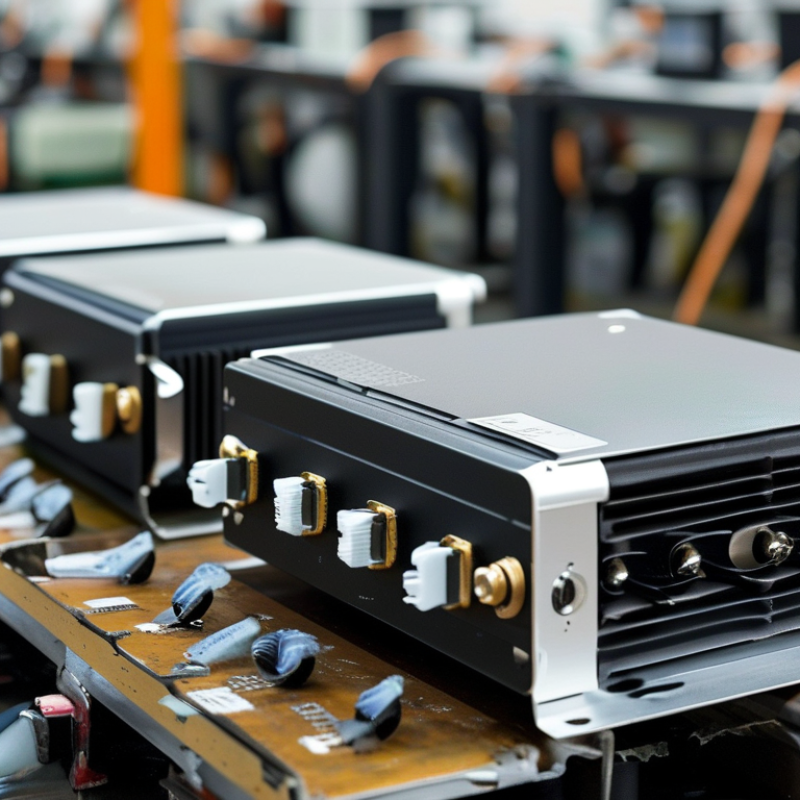
Input filter solutions play a crucial role in various electronic applications. They enhance the performance and reliability of devices by minimizing electromagnetic interference (EMI). In the global market, buyers prioritize high-quality filters that effectively manage noise and ensure stable functionality.

Chinese manufacturers offer a diverse range of input filter solutions, catering to both domestic and international demands. Many of these products focus on improving energy efficiency. However, some filters may not meet the unique requirements of specific industries. Buyers must conduct thorough evaluations to identify the most suitable options. Testing and validation are essential steps in this process.

Additionally, the complexity of the input filter market necessitates ongoing learning and adaptation. New technologies emerge regularly, requiring constant analysis of available products. Buyers should stay informed about industry trends and innovations. This awareness can help them make better purchasing decisions while ensuring compliance with safety standards. Being proactive in research often leads to more effective solutions.

Key Features of Effective Input Filters for Buyers

Effective input filters are crucial for maintaining quality electronics and overall device performance. A well-designed input filter minimizes noise and protects components from voltage spikes. Buyers should look for filters that provide effective EMI and RFI suppression. These filters help maintain signal integrity in various applications, from consumer electronics to industrial systems.

When sourcing input filters, key features include size, capacitance, and current rating. A compact filter saves space, especially in tight designs. High capacitance values enhance noise reduction capabilities. Current rating is also essential; ensure it meets the specific demands of your device. Pay attention to the filter’s operational temperature range, as this can affect performance.

Despite advances in technology, not every filter meets quality standards. Some may fail under stress or have poor durability. It's crucial to assess the reliability of the source. Requesting certifications can help validate a manufacturer’s credibility. Inconsistent performance can lead to malfunctioning devices, making it essential to choose wisely. Understanding these factors helps buyers make informed decisions.

Top Input Filter Solutions for Global Buyers in China

This bar chart illustrates key features of effective input filters for global buyers in China. The dimensions include capacitance, voltage rating, current rating, and size, which are critical parameters to consider when sourcing input filters.

Top Manufacturers of Input Filters in China

In the rapidly evolving landscape of electronic manufacturing in China, input filters play a crucial role. The demand for high-quality input filters has surged. According to recent industry reports, the global input filter market is expected to grow by 6.5% CAGR by 2027, driven by automation and the demand for cleaner energy solutions.

Top manufacturers in China are focusing on innovation and adaptation. Many companies utilize advanced materials and technologies to enhance filter performance. As a result, efficiency and durability have improved significantly. Engineers report that input filters with a high cut-off frequency can reduce power loss and improve overall system reliability. However, balancing cost and quality remains a persistent challenge.

Research highlights that over 30% of manufacturers face difficulties sourcing reliable components. Quality control practices are inconsistent, and this can lead to product failures. It’s critical for global buyers to assess potential suppliers thoroughly. Transparent communication about testing and certification processes is essential. This scrutiny will help ensure that long-term partnerships are based on trust and reliability, vital in today’s competitive market.

Trends and Innovations in Input Filter Technology

In the rapidly evolving landscape of input filter technology, trends reveal a shift towards enhanced performance and efficiency. Manufacturers are focusing on creating filters that not only reduce electromagnetic interference but also improve overall energy management. The integration of advanced materials is pivotal. These materials can withstand higher temperatures and provide better durability.

Another notable trend is the development of smart filters. These devices leverage IoT technology to monitor filter conditions in real time. Users can access data through apps, enabling proactive maintenance. This innovation reduces downtime and enhances reliability. However, reliance on smart technology raises questions about cybersecurity. Users must carefully consider these risks.

Despite advancements, challenges remain. Ensuring compatibility with existing systems can be complex. Some filters may not fit seamlessly into older setups, causing operational issues. Additionally, the sheer variety of options can overwhelm buyers. The market requires clearer guidelines to help users choose the right solutions. Embracing innovation is essential but must be balanced with practicality and usability.

Best Practices for Selecting Input Filters in Different Applications

When selecting input filters, it's crucial to understand the specific application. Different environments and devices require distinct filtering solutions. An industrial setting might demand robust models that handle surges and noise effectively. In contrast, a home appliance may need filters that prioritize size and energy efficiency.

Evaluating the specifications is vital. Look at factors like frequency range, insertion loss, and size constraints. Each application poses unique challenges. For example, high-frequency electronics may require more precise filters. On the other hand, low-frequency systems can often work with simpler designs.

Testing and validation can't be overlooked. Performance during real-world conditions may differ from theoretical specifications. A thorough assessment helps identify potential failures early. It’s worthwhile to note that even a small oversight in selection can lead to significant issues later on. Balancing technical requirements with practical application is essential for success.

FAQS

: What are effective input filters?

: Effective input filters minimize noise and protect electronic components from voltage spikes.

Why is capacitance important in filters?

High capacitance values enhance noise reduction, improving overall filter performance in devices.

What should buyers consider when sourcing filters?

Buyers should consider size, capacitance, current rating, and temperature range for optimal performance.

Why is the reliability of manufacturers important?

Not all filters meet quality standards. Inconsistent performance can cause device malfunctions.

What are the trends in input filter technology?

Trends include enhanced performance, smart filters using IoT, and advanced materials for better durability.

What challenges do manufacturers face in the market?

Many struggle with sourcing reliable components and maintaining consistent quality control.

How do smart filters improve reliability?

Smart filters monitor conditions in real-time, allowing for proactive maintenance to reduce downtime.

What potential risks come with smart filter technology?

Reliance on smart technology raises cybersecurity concerns that users must consider carefully.

Why is compatibility an issue with new filters?

Some new filters may not fit seamlessly into older systems, leading to operational disruptions.

How can buyers navigate the variety of filter options?

The market needs clearer guidelines to help users choose suitable solutions based on their needs.

Conclusion

The article "Top Input Filter Solutions for Global Buyers in China" provides a comprehensive overview of input filter solutions available in the global market. It highlights the key features that make input filters effective for buyers, emphasizing performance characteristics such as noise reduction, efficiency, and reliability. The discussion includes an exploration of leading manufacturers in China, showcasing the competitive landscape and the capabilities that distinguish these providers.

Additionally, the article delves into the latest trends and innovations in input filter technology, offering insights into how advancements are shaping the industry. Buyers are guided through best practices for selecting input filters tailored to various applications, ensuring optimal performance and compliance with industry standards. Overall, this summary underscores the significance of input filters in enhancing device functionality and the continuous evolution within this crucial sector.

Madeline

Madeline

Madeline is a dedicated marketing professional with a wealth of expertise in our company's core offerings. With a keen understanding of the industry, she brings a unique perspective to her role, consistently delivering high-quality content that highlights the superior aspects of our products. As......