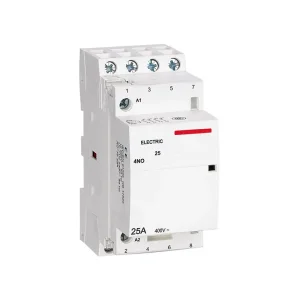
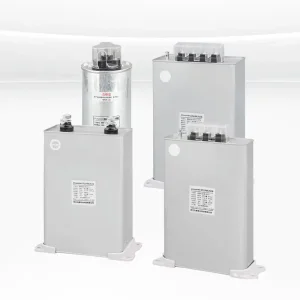
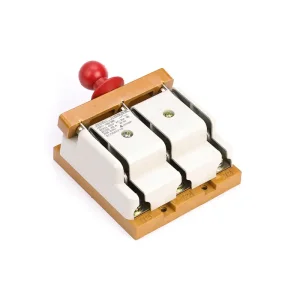
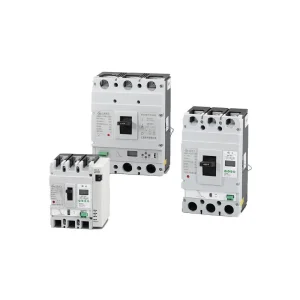
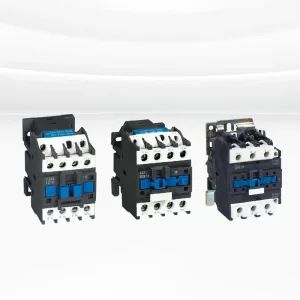
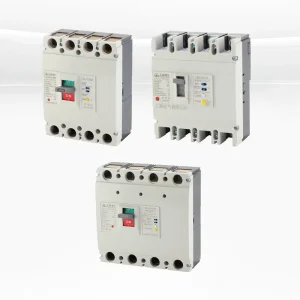
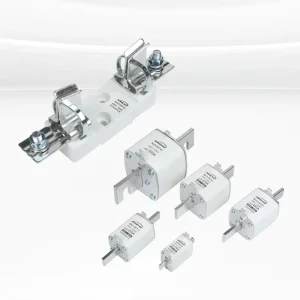
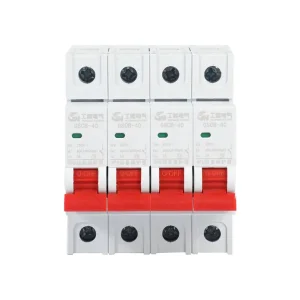
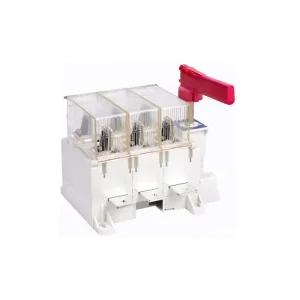
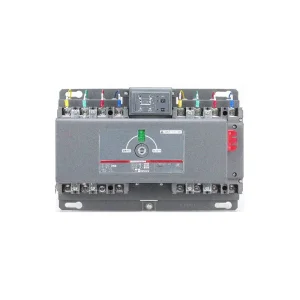
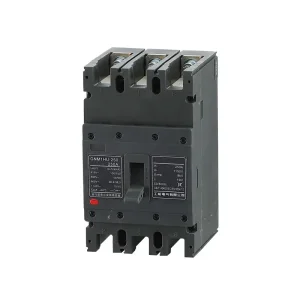
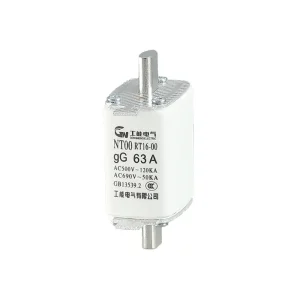
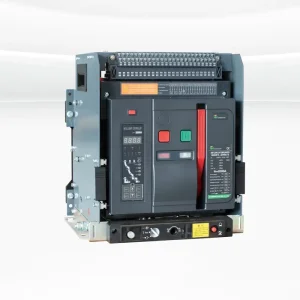
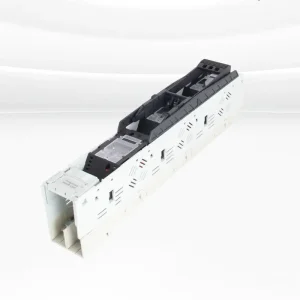
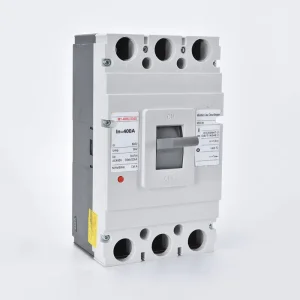
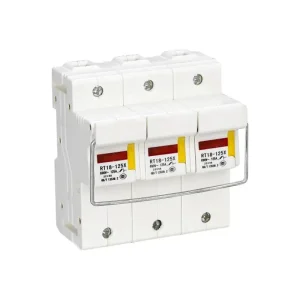
Explore our main component portfolio designed for heavy-duty electrical architectures and certified control systems.
Within low-voltage power distribution systems, the 40 Amp double pole circuit breaker serves as a foundational safety component. Designed to safeguard electrical networks from both overcurrent and short-circuit faults, these devices control and protect high-power dual-phase electrical paths. Selecting the right supplier and understanding factory testing parameters is critical for global electrical engineers, procurement departments, and system integrators looking to ensure reliability, safety, and regulatory compliance.
Unlike single-pole switches that manage single-phase 120V circuits, a double pole circuit breaker controls two live conductor lines simultaneously. It features a common trip mechanical bar running between the two individual poles, ensuring that if one pole encounters an electrical fault, both poles open at the exact same moment. This mechanical integration prevents a dangerous scenario where one live phase continues to power a load while the other is isolated.
For a 40 Amp rating, the internal trip mechanisms must be calibrated with high precision. Standard double pole breakers rely on a dual-trip topology: a thermal bimetallic strip for continuous overload tracking and an electromagnetic solenoid for instantaneous short-circuit protection. When current levels exceed 40 Amps over a period defined by the device's time-current trip curves, heat buildup causes the bimetal strip to deflect, releasing the latching mechanism. During extreme fault currents (typically 5 to 10 times the rated current), the magnetic coil instantly overrides the latch, snapping the contacts open in milliseconds to quench destructive electrical arcs.
High-quality 40 Amp breakers utilize specialized metal de-ionizing grid plates inside the arc chamber. As the electrical contacts separate under load, the arc is stretched and forced into these splitters. This process cools and extinguishes the ionized plasma within 3 to 5 milliseconds, preserving contact surfaces and preventing internal housing deformation.
China's industrial low-voltage electrical cluster, centered primarily in Zhejiang Province (Liubai Economic Circle and Yueqing City), offers unparalleled advantages for global OEM/ODM procurement. Sourcing directly from these factories provides significant benefits:
Modern electrical distribution is evolving from static, reactive protection to smart, integrated, and communicative protection. Key industry directions include:
Zhejiang Igoye Energy Technology Co., Ltd.
Zhejiang Igoye Energy Technology Co., Ltd. is located in the Economic Development Zone of Yueqing City, Zhejiang Province. This strategic location features Qili Harbor to the south, Yueqing Bay to the east, Yueqing City Center to the north, and the Liubai Economic Circle to the west.
Dedicated to the design, engineering, and manufacturing of low-voltage electrical distribution equipment, our components are widely integrated across electric power grids, industrial plants, public infrastructure projects, clean energy installations, and commercial buildings. We maintain a modern production facility backed by a strict quality management system.
Operating a standard workshop of more than 12,000 square meters, our facility employs 212 staff members, including 20 professional research and development technicians. We utilize 180 advanced production and testing units to maintain high manufacturing standards. Our quality inspection team monitors components at key check points using Statistical Process Control (SPC) methodologies. We enforce a robust traceability system from raw copper and plastic feedstocks through final assembly and calibration.
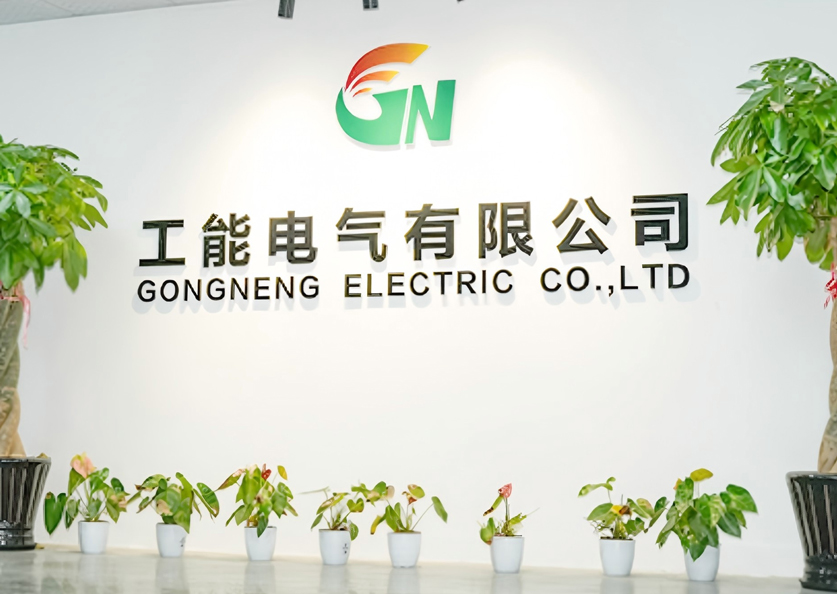
A closer look at our cleanrooms, automated assembly systems, and high-voltage calibration laboratories.
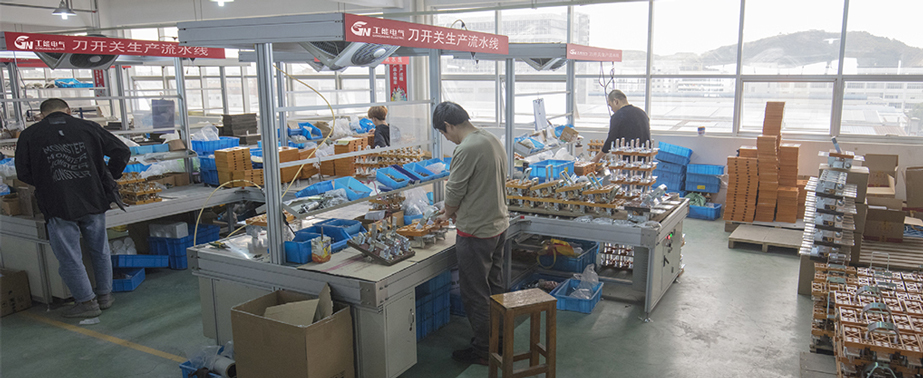
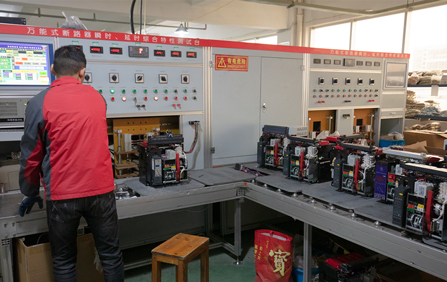
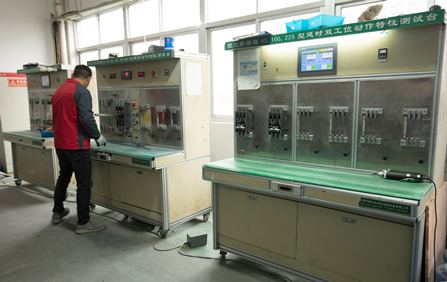
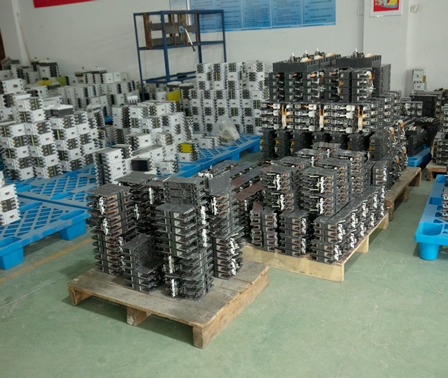
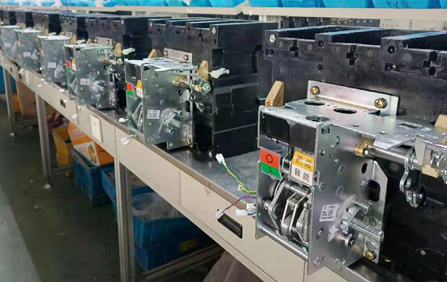
Every batch is verified through computerized trip profiling to ensure it matches global standards.
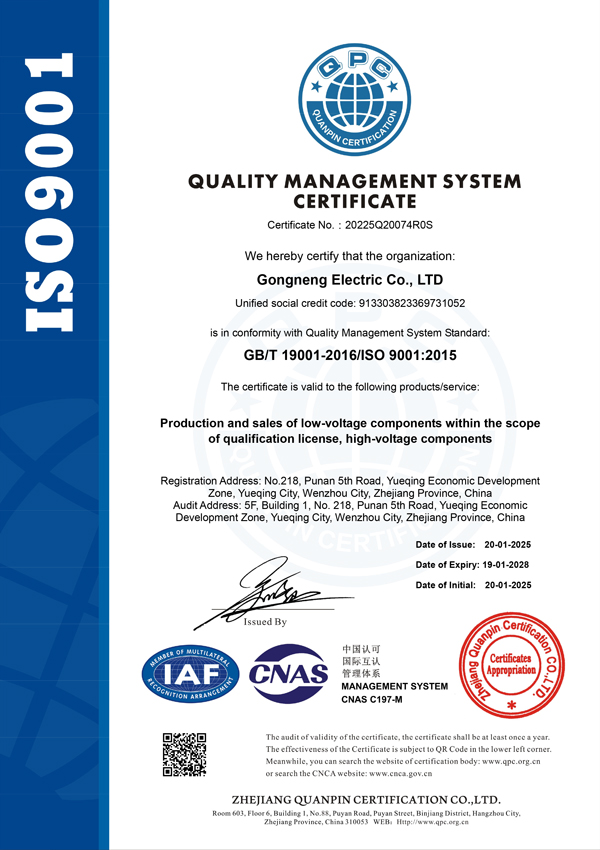
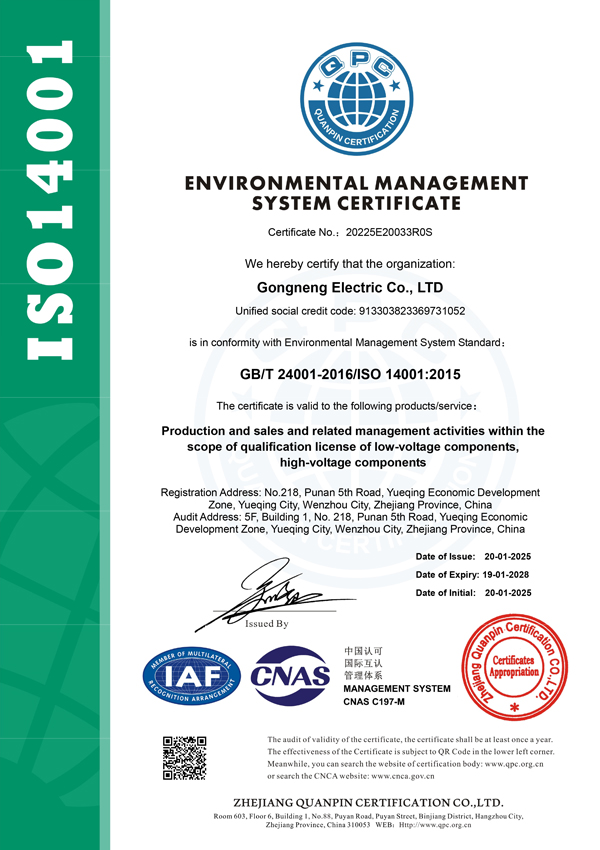
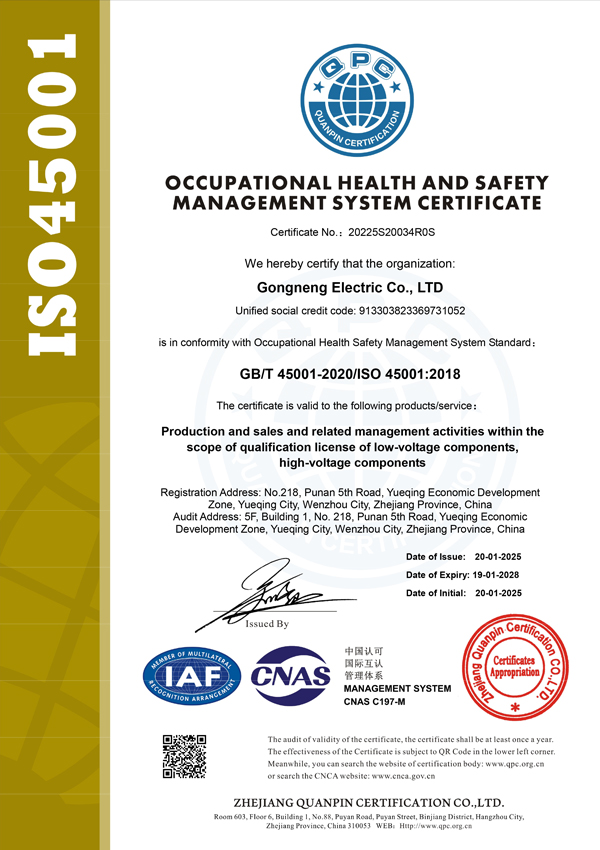
Our dedication to high E-E-A-T principles is backed by international test certifications and patents.
Our low-voltage devices are deployed across key global sectors, offering reliable safety and efficient power management.
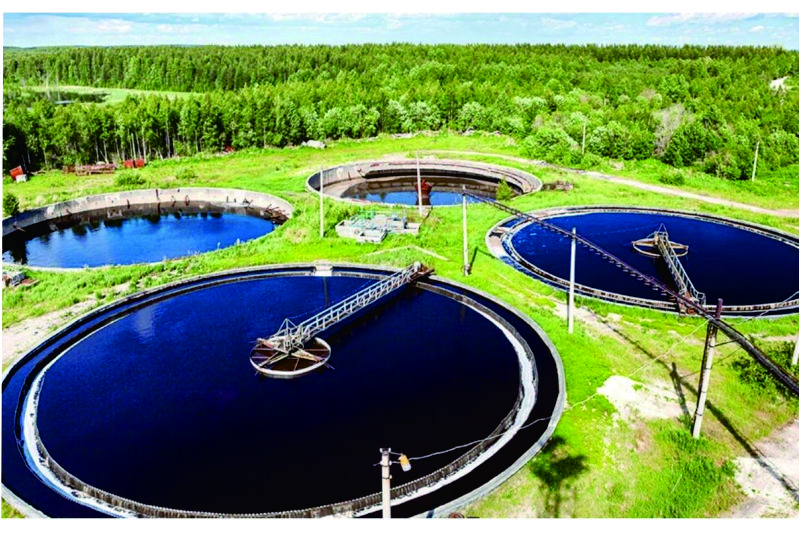
Igoye offers robust components designed to prevent frequent tripping in pump motor units during high-inertia startup phases. By utilizing dual power switching setups, our systems ensure prompt transitions to backup power in the event of grid interruption. Integrated capacitor systems work continuously to compensate power factor and minimize transformer losses.

Petrochemical environments involve large electrical loads and corrosive conditions. Our solutions protect critical operations from power quality anomalies, helping refineries transition to safer, more efficient distribution architectures. We engineer distribution elements capable of operating reliably in harsh environments.

For daily goods manufacturing and packing lines, our universal breakers and molded case devices support high system uptime. Real-time electrical data can be accessed through central controllers, allowing maintenance teams to easily monitor current spikes, optimize load distribution, and schedule preventive care.

Our commercial-grade components comply with RoHS environmental certifications and eliminate harmful elements like lead or cadmium. From main distribution switchboards down to terminal consumer units, we help hotels optimize their guest services, building management, and safety protocols.

Chemical processing requires strict electrical isolation to protect key assets. Our microcomputer-monitored protective solutions calculate system variables, coordinate protection levels, and isolate faults quickly to prevent hazardous downtime.
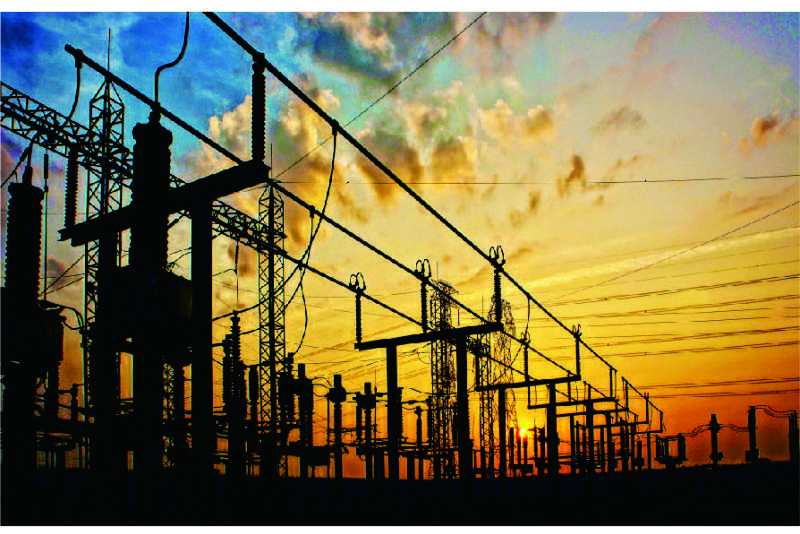
Standardizing grid networks demands highly reliable switchgear. By utilizing unified modular designs, our low-voltage cabinet devices simplify maintenance and expansion work, helping utility networks improve power delivery quality.

The solar sector requires DC/AC components that can handle wide fluctuations in load. Whether for utility-scale solar farms or commercial rooftop installations, our low-voltage protection units help reduce system energy losses and keep performance levels high.
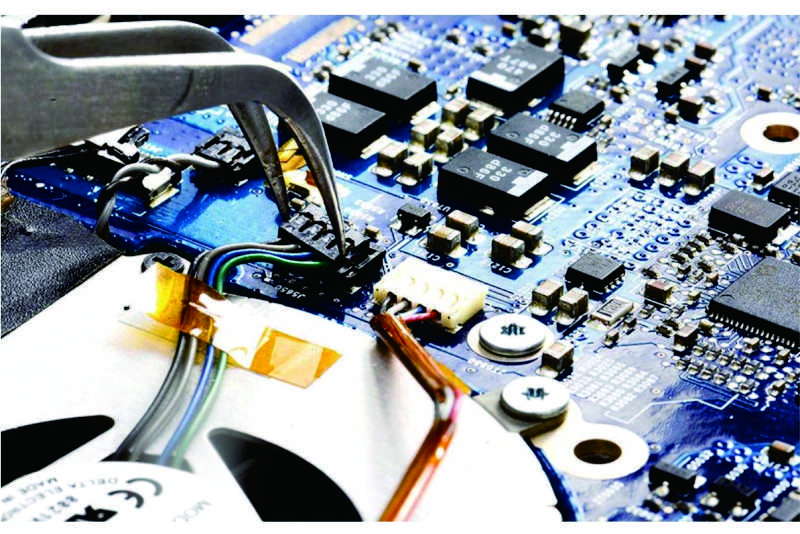
High-tech electronics facilities require clean, stable power. Our solutions help mitigate voltage dips and short-circuit faults, protecting expensive equipment and ensuring clean production lines remain operational.
Direct technical answers addressing the key design parameters, regulatory requirements, and installation practices of 40 Amp protection systems.
A 40 Amp double pole breaker is engineered to protect 240V AC dual-phase circuits. Common applications include central HVAC systems, EV charging stations (Level 2), electric water heaters, spa heaters, and industrial manufacturing equipment. Its primary job is to interrupt both current-carrying phases simultaneously during a fault, avoiding partial-power scenarios that can damage mechanical loads.
According to standard electrical codes (e.g., the National Electrical Code - NEC in the US), a 40 Amp circuit requires a minimum of 8 AWG copper wire or 6 AWG aluminum/copper-clad aluminum wire. Using a smaller wire gauge can lead to excessive heat generation along the conductors, posing fire hazards before the breaker registers an overcurrent situation.
The Ampere Interrupting Capacity (AIC) represents the maximum short-circuit current a breaker can interrupt safely without exploding or welding shut. Standard residential and light commercial breakers offer ratings of 10,000 AIC (10kA), whereas industrial applications often require 22,000 AIC or even higher ratings depending on the system's prospective fault currents.
High-standard Chinese factories use automated testing rigs that apply specific current steps: thermal verification tests are run at 1.35 times the rated current (where the unit must trip within a set timeframe), and magnetic verification tests apply 5 to 10 times the rated current to confirm instantaneous trip response. These results are recorded for each batch to ensure traceability.
While technically feasible by using only one pole and the neutral bus bar, this is not standard engineering practice. Double pole breakers are intended for balanced dual-phase loads. Running single-phase loads through a two-pole system can lead to imbalanced load issues and coordinate faults on the supply network.
For the European Union, CE marking and CB reports verifying compliance with IEC/EN 60947-2 (industrial) or IEC/EN 60898-1 (residential) standards are mandatory. In North America, breakers must be certified under UL 489 or CSA C22.2 No. 5. Sourcing from factories that hold these certifications ensures smooth customs clearance and compliant projects.
Access our comprehensive selection of industrial power systems, switches, transfer mechanisms, and distribution units.
 Igoye Energy