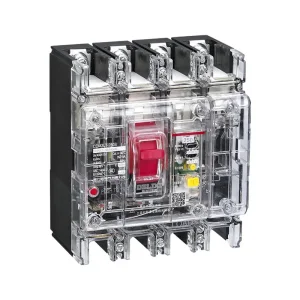
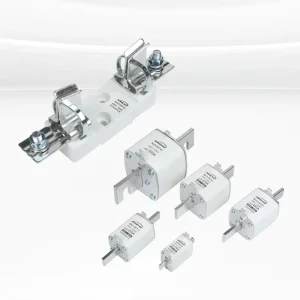
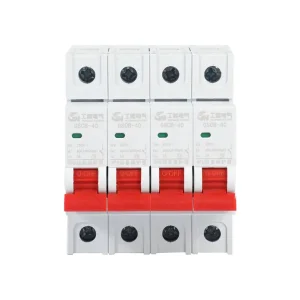
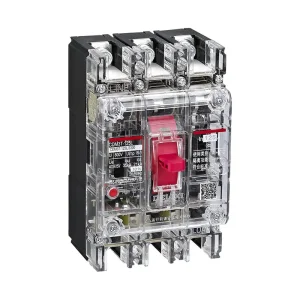
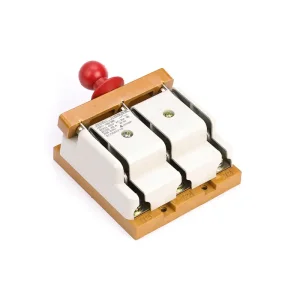
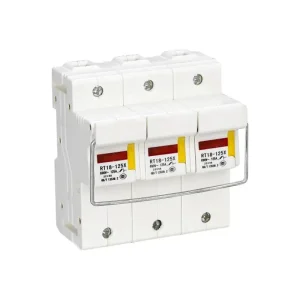
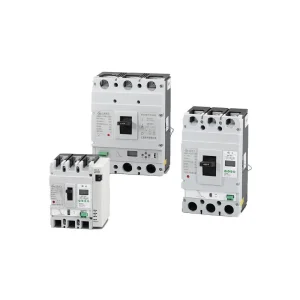
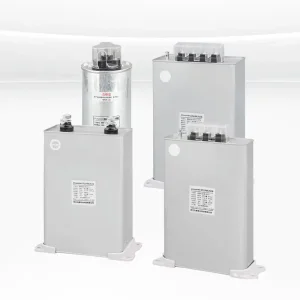
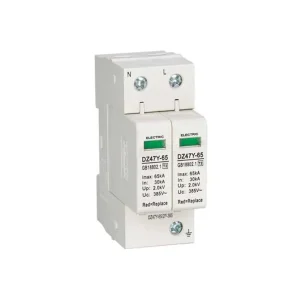
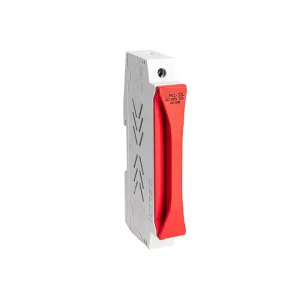
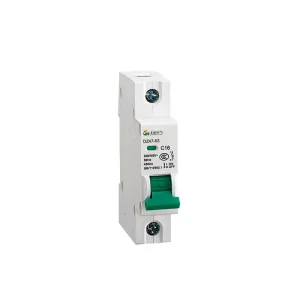
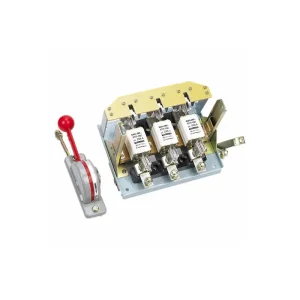
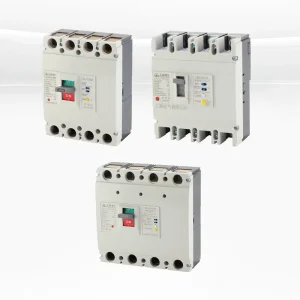
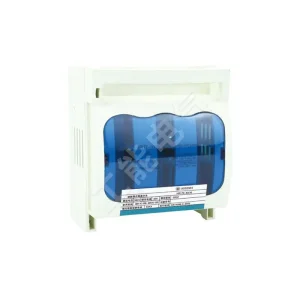
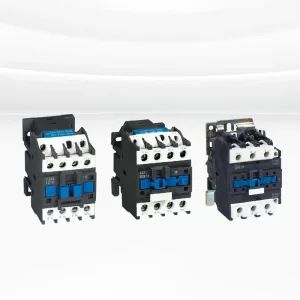
Explore our foundational range of circuit isolation, fuse link systems, and dual-power automatic transfer assemblies designed to safeguard critical infrastructures.
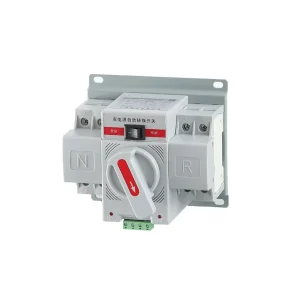
Located within the advanced Economic Development Zone of Yueqing City, Zhejiang Province, our manufacturing footprint is strategically situated. Surrounded by Qili Harbor to the south, Yueqing Bay to the east, the metropolitan hub to the north, and the Liubai industrial cluster to the west, Igoye operates at the center of China’s electrical engineering sector. We specialize in researching, developing, and manufacturing high-performance low-voltage electrical components widely utilized in global power distribution, new energy sectors, infrastructure, and electronic engineering.
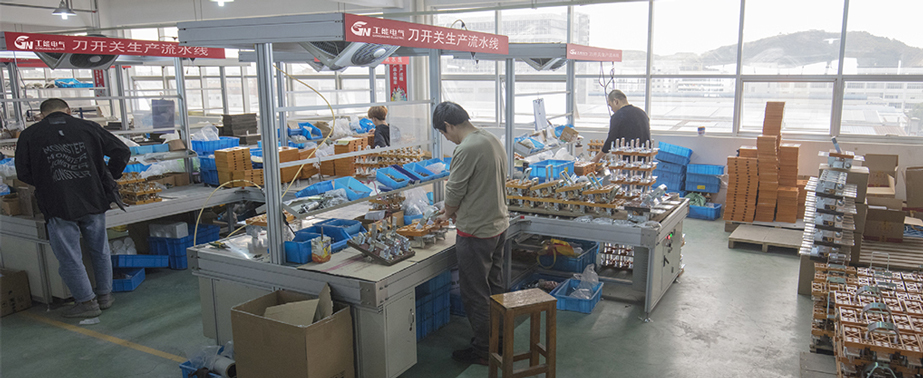
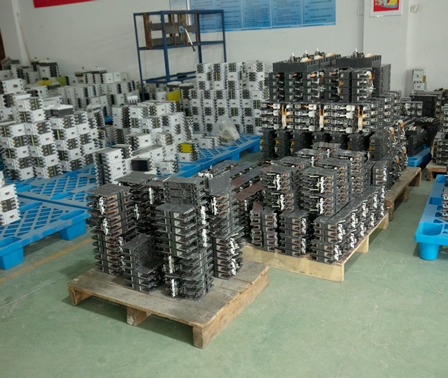
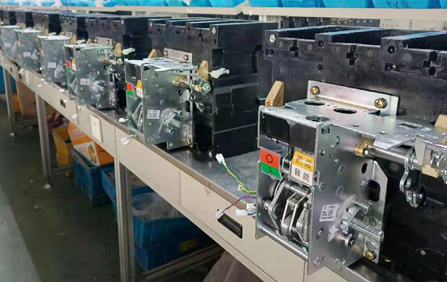
Our standard production plant spans more than 12,000 square meters and hosts 212 skilled operators guided by 20 professional and technical engineers. Equipped with 180 advanced production and testing units, Igoye implements rigorous control procedures across all manufacturing stages. By utilizing Statistical Process Control (SPC) tools, tracking performance metrics at critical junctures, and establishing comprehensive component-level traceability from receipt to delivery, we guarantee reliable switchgear and transfer switches for domestic and international markets.
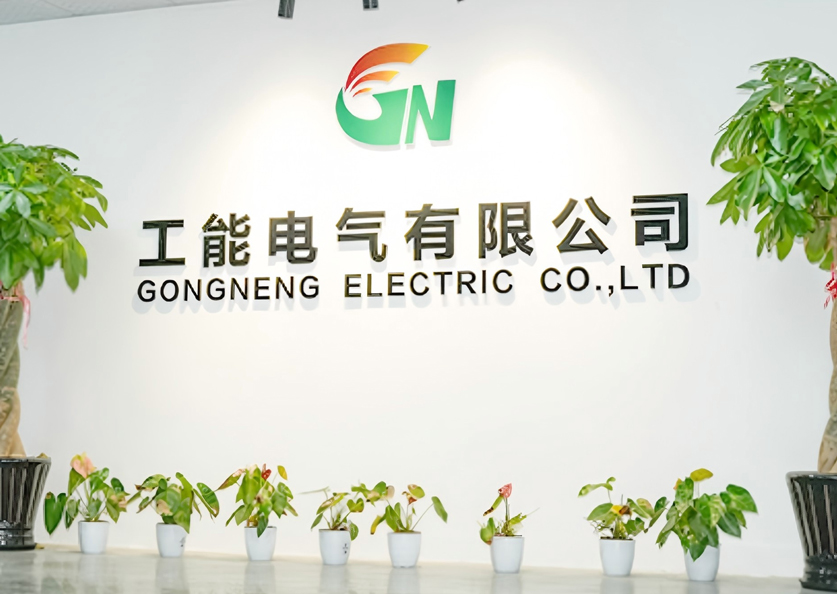
A tour inside our modernized facilities highlights how we prioritize precision, automated assembly, and strict Quality Control (QC) standards.
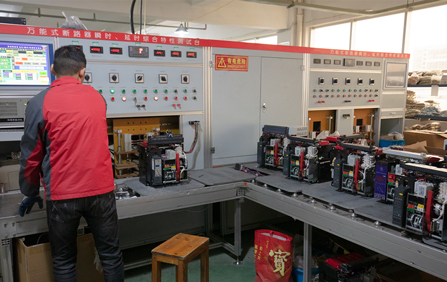
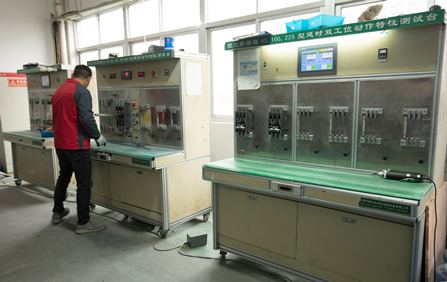
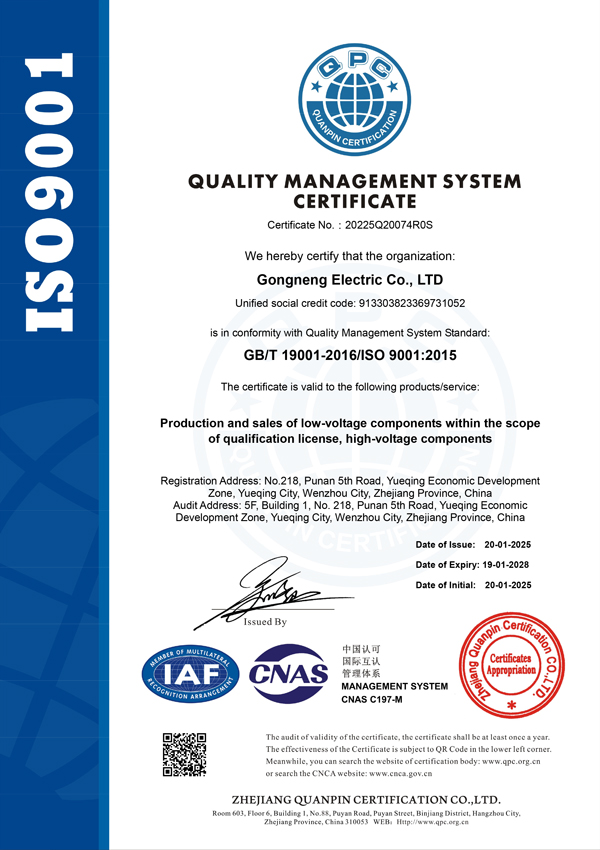
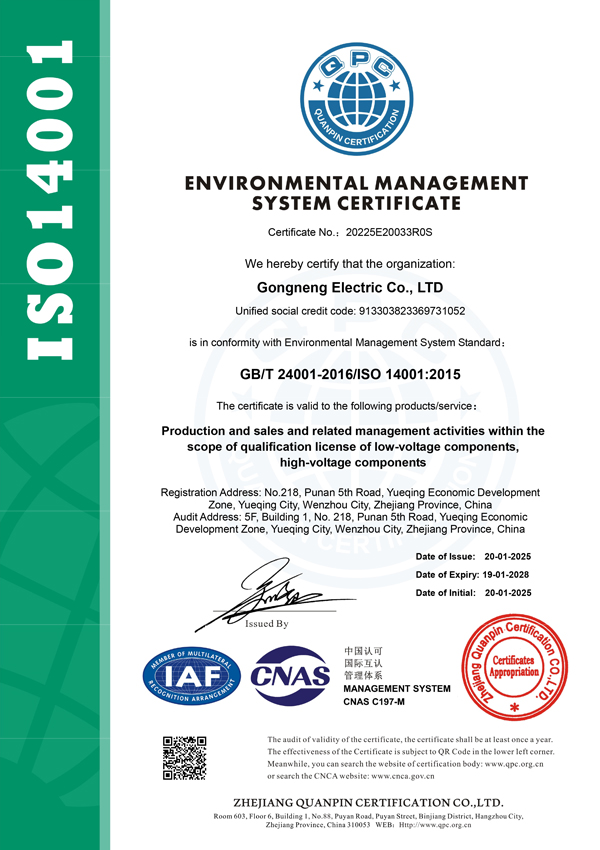
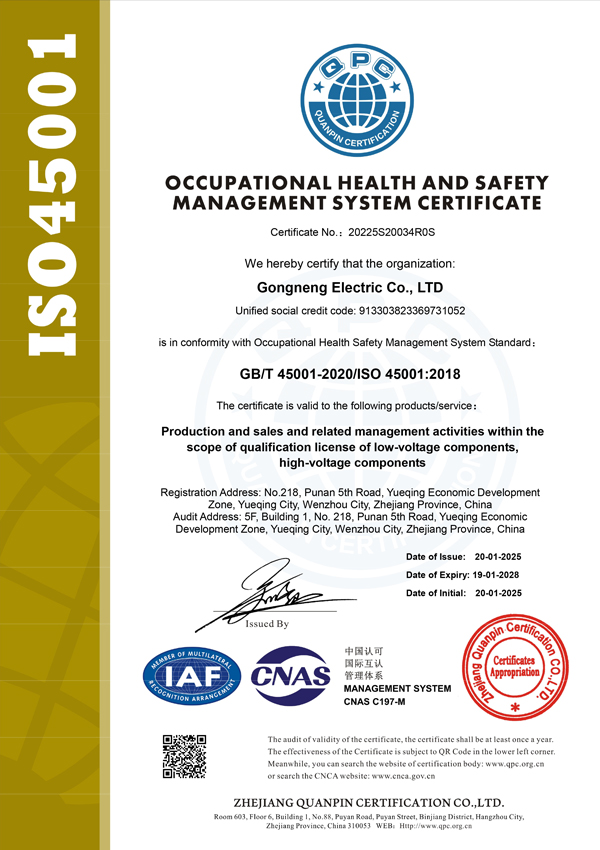
We align our operations with stringent global safety benchmarks to ensure all products function safely under harsh electrical conditions.
Understanding the technological advantages, raw material supply chains, and manufacturing clusters driving Yueqing’s electrical exports.
Yueqing is widely recognized as the capital of low-voltage electrical appliances in China. This cluster enables manufacturers to source high-grade engineering plastics, silver alloy contact points, and copper terminals with minimal lead times. This ecosystem supports quick prototyping, prompt material sourcing, and efficient scale adjustments. For overseas buyers, this results in lower production overheads, shorter delivery timelines, and easier access to customized parts compared to isolated manufacturing plants.
Modern single phase changeover switches rely heavily on raw materials that endure high thermal stress and electrical arcing. Leading manufacturers utilize glass-fiber reinforced unsaturated polyester resins or flame-retardant polycarbonate (UL94 V-0 level) for switch housings. The core contacts use silver-nickel (AgNi) or silver-cadmium oxide (AgCdO) alloys, providing high conductivity, minimal oxidation, and resistance to contact welding during circuit switches under full rated load.
Top-tier Chinese factories utilize automated testing bays that simulate hundreds of thousands of switching cycles under full load. Testing regimens include: mechanical endurance trials (up to 10,000 operations), electrical resilience checks at high utilization categories, glow-wire testing (IEC 60695-2-10) for fire protection, and temperature-rise tests at full current to confirm safety under standard operating parameters.
| Electrical Parameter | Standard Specification Range | Typical Industrial Value | Testing Reference Standard |
|---|---|---|---|
| Rated Operational Voltage (Ue) | AC 220V - 240V | 230V AC | IEC / EN 60947-3 |
| Rated Current Options (Ie) | 16A, 25A, 32A, 40A, 63A, 100A, 125A | 63A / 100A Standard | IEC / EN 60947-6-1 |
| Rated Insulation Voltage (Ui) | 500V - 800V | 690V | IEC / EN 60947-1 |
| Rated Impulse Withstand Voltage (Uimp) | 4kV - 8kV | 6kV / 8kV | GB/T 14048.3 |
| Utilization Category | AC-21A, AC-22A, AC-33B | AC-22A (Mixed Resistive/Inductive) | IEC / EN 60947-3 |
| Short-Circuit Making Capacity (Icm) | 5kA - 15kA | 10kA | IEC / EN 60947-6-1 |
Analyzing key structural mechanisms that ensure safe transition between primary grids and auxiliary power generators.
This design prevents the primary utility grid and the backup generator from connecting at the same time. The switch breaks contact with the active circuit before establishing contact with the secondary source, preventing backfeeding and safeguarding utility repair crews.
Every switch has integrated arc-chute components. When switching under load, the generated electrical arc is forced into a series of cooling metal plates that segment and extinguish the arc within milliseconds, minimizing oxidation on the contact terminals.
Our manual and motorized systems use a physical interlock barrier. This design ensures that even during motor faults or manual override mistakes, the contacts cannot close simultaneously, providing a robust level of protection.
How Igoye's electrical equipment integrates with various sector requirements to provide reliable power transitions.
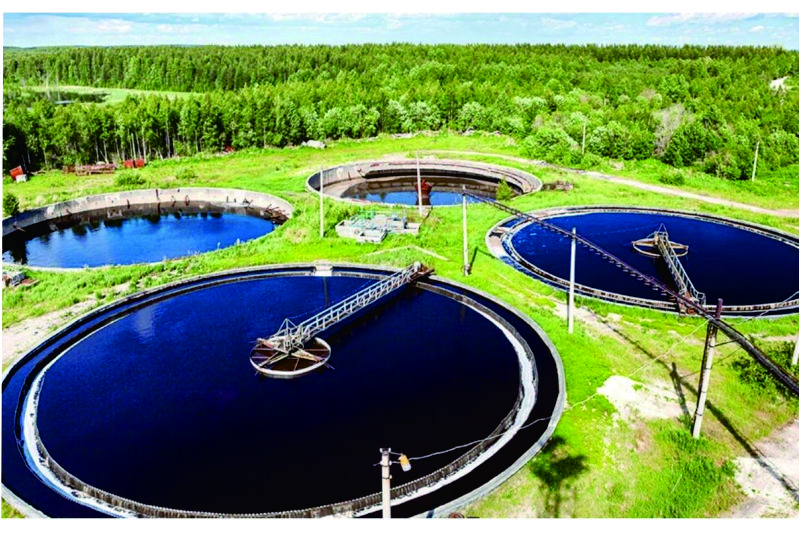
Our systems feature intelligent protection to resolve motor startup tripping. If a main power line fails, dual-power automatic transfer devices switch to backup power, maintaining continuous facility operation. In parallel, self-healing low-voltage capacitors adjust reactive power load to maintain power factor efficiency.
Explore Water Systems →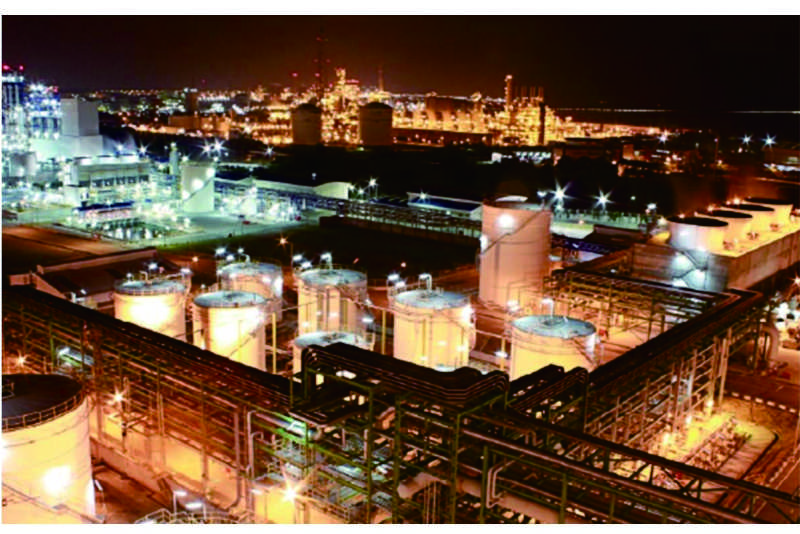
Petrochemical distribution demands safety under continuous, high-current loads. Our solutions combine heavy-duty molded case circuit breakers and switchgear designed for high short-circuit capacity, helping distribution networks withstand extreme currents in hazardous environments.
Explore Petrochemical →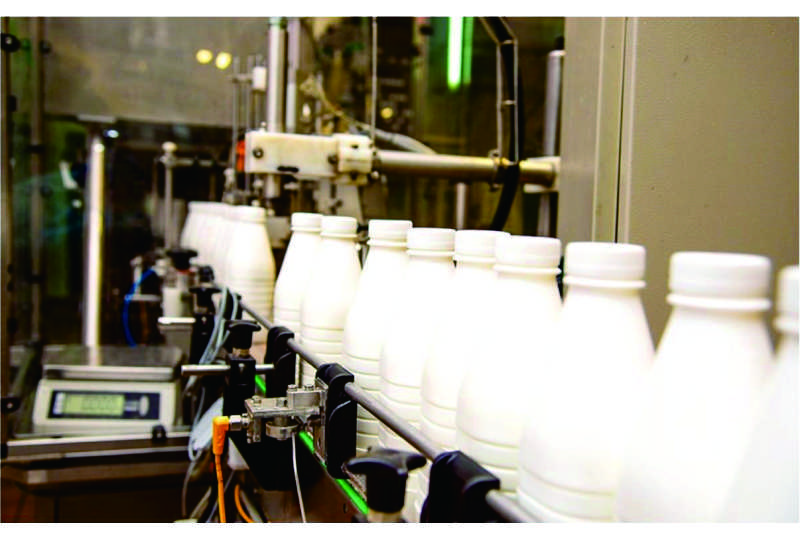
To support factory efficiency, Igoye offers electronic molded case circuit breakers alongside universal breakers. These devices allow real-time monitoring of current, voltage, and load parameters, helping facility managers prevent unplanned downtime.
Explore Light Industry →
Built with lead-free, cadmium-free components that comply with EU RoHS regulations, our ATS dual-power switches, terminal distribution panels, and MCCBs support safe electrical routing for commercial hospitality projects.
Explore Hotel Systems →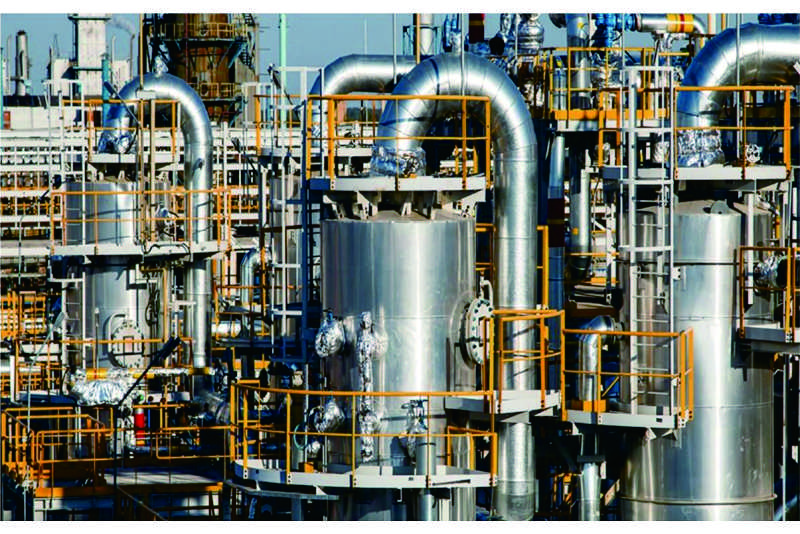
Chemical processing requires highly reliable power control. By sizing and coordinating protective relays and circuit breakers, our microcomputer protection systems monitor grid voltage stability to maintain chemical process safety.
Explore Chemical Solutions →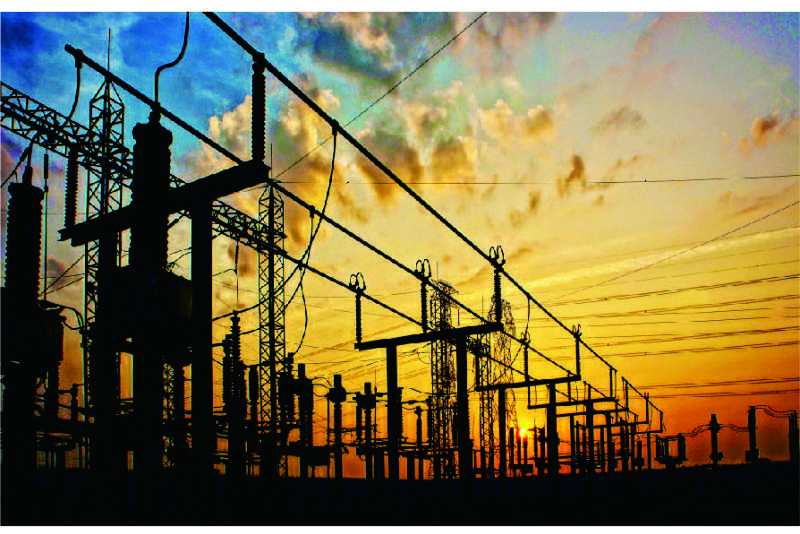
In response to grid standardization goals, we design uniform low-voltage switch cabinets. Standardizing cabinet dimensions, internal spacing, and mounting slots simplifies system extensions, component replacement, and maintenance.
Explore Grid Cabinets →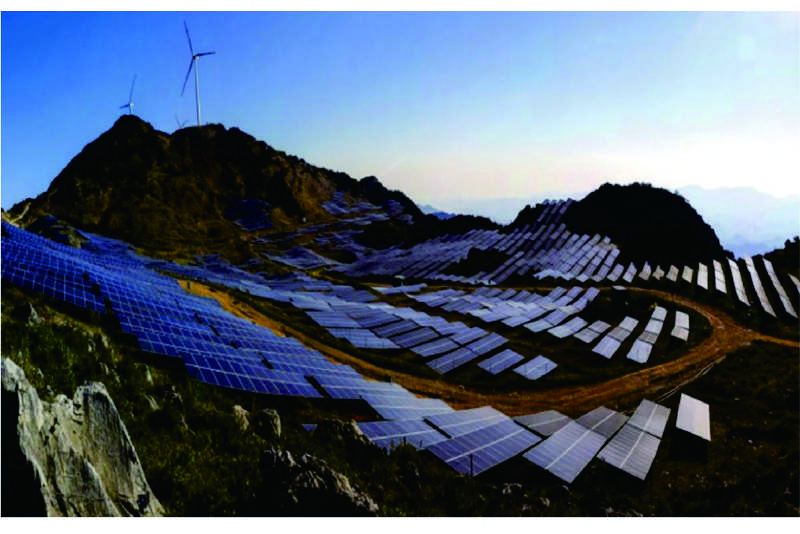
To support green energy transition, we supply DC switches, specialized solar fuses, and changeover mechanisms that safely isolate PV arrays, storage batteries, and hybrid inverter networks during maintenance or grid faults.
Explore PV Solutions →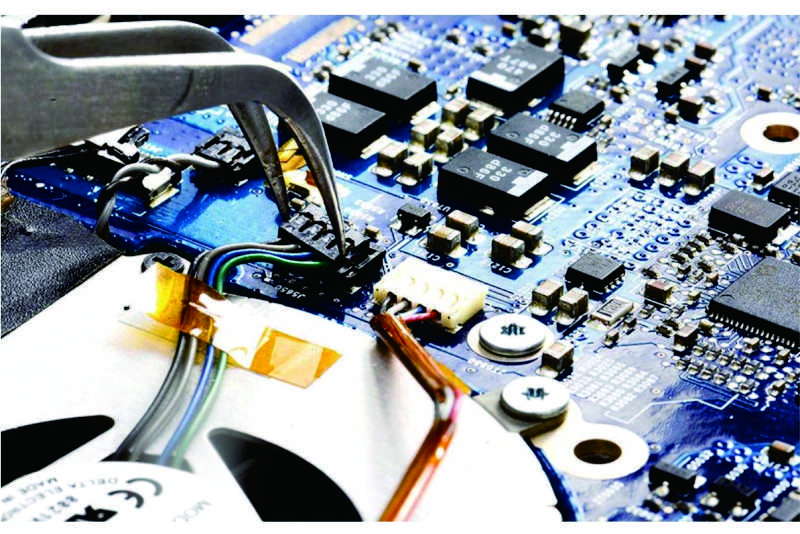
Precision electronics manufacturing requires stable voltage levels. Our power management panels integrate protection against micro-surges, voltage drops, and electrostatic discharge, helping prevent costly damage to assembly equipment.
Explore Electronic Solutions →Critical steps for engineering and sourcing departments evaluating single phase changeover switch manufacturers.
Ensure your Chinese supplier provides valid certificates corresponding to your market. For Europe, CE mark and EN 60947-6-1 conformity reports are required. For North American markets, UL1008 certification covers transfer switch safety. In Australia, SAA approvals verify that products meet local utility parameters. Always request test reports issued by independent laboratories like KEMA, TUV, or Intertek.
Industrial applications often require modified physical dimensions, unique DIN-rail mountings, auxiliary contacts, or specific padlock configurations. A capable manufacturer should provide 3D CAD modeling within 48 hours and deliver prototype samples for validation within 10-15 business days. Check if the manufacturer has in-house mold production capabilities, as this reduces development timelines for custom switch designs.
Reliable manufacturers use laser-etched QR codes on every single phase switch. This code links to testing records containing: raw material batch, operator ID, assembly line number, calibration values, and dielectric test results. Having full traceability ensures any field failure can be isolated to a specific batch without requiring a complete recall.
Common questions answered by Igoye’s electrical design department regarding installation, operations, and standards.
These categories define a switch's ability to handle different load types. AC-21A is for switching resistive loads (heaters, incandescent lamps). AC-22A is for mixed resistive and inductive loads (general household appliances, lighting). AC-23A is for highly inductive motor loads, requiring robust arc-chutes and silver alloy contacts to extinguish the larger inductive arcs generated during load break.
No, standard AC changeover switches should not switch high-voltage DC currents. DC arcs do not have natural zero-crossing points like AC arcs, making them much harder to extinguish. Switching DC with an AC-rated device can cause sustained arcing, melting the contacts and posing a fire risk. You must use specialized DC switches rated for the correct DC voltage and current.
While a 2-pole switch changes the single live and neutral lines, a 4-pole switch is used when switching between three-phase and single-phase backup systems, or when completely isolating multiple separate neutral lines. Complete neutral isolation prevents circulating ground currents and avoids false tripping of residual current circuit breakers (RCCBs/RCDs).
IEC standards restrict terminal temperature rise to 70 Kelvin at rated current. High contact resistance from loose terminals or oxidized copper contacts leads to runaway heating. This degrades surrounding plastic housings and weakens mechanical tension, eventually causing switch failure. We use silver-plated copper pads and high torque ratings to maintain low contact resistance.
For standard motorized automatic switches (ATS), transition times range between 50 milliseconds and 1.5 seconds. Fast transition designs minimize power interruptions to critical systems, while longer delays allow generator speeds and voltages to stabilize before loading, protecting sensitive electric motors and electronics from power surges.
Most switches are rated to operate from -5°C to +40°C. Elevated ambient temperatures reduce the current-carrying capacity of the internal metal conductors. For installations in hot climates (above +40°C), switches must be derated by 10% to 20% to prevent thermal overload, or installed in ventilated, climate-controlled enclosures.
Complete your power distribution system with our certified range of capacitors, fuse links, contactors, and disconnect switches.
 Igoye Energy