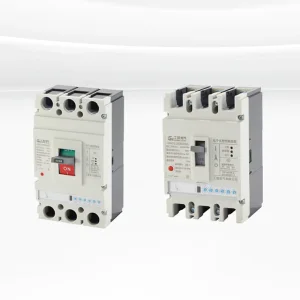
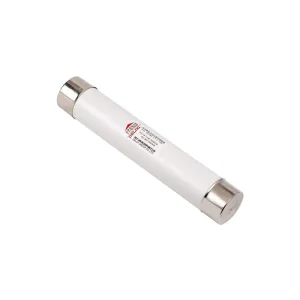
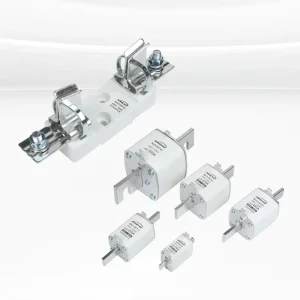
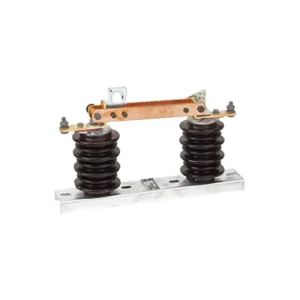
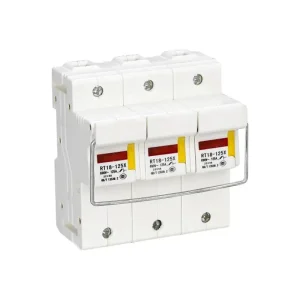
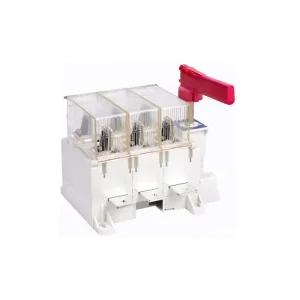
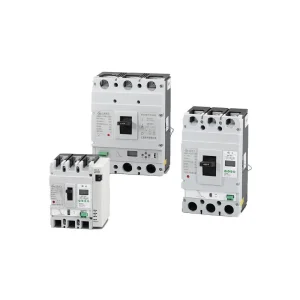
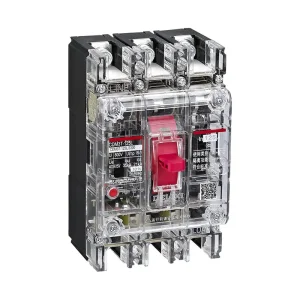
Discover our primary selection of low and high-voltage circuit breakers, fuses, and custom protection components engineered for grid resilience.
In the contemporary landscape of microgrids and smart-home energy architectures, the Home Generator Transfer Switch stands as the critical nexus of system safety, continuity, and grid compliance. Whether deploying automatic transition pathways for backup diesel generators or integrating complex hybrid battery systems, electrical professionals rely on highly robust mechanisms to safely switch loads. As leading ODM manufacturers, we engineer solutions to maintain galvanic isolation, prevent backfeeding, and withstand transient faults.
The core utility of a transfer switch is to navigate the transition between Utility Power (Normal Source) and Generator Power (Emergency Source). Under standard operating conditions, these systems must protect downstream residential loads while ensuring zero physical risk of backfeeding power into the utility grid, which poses severe electrocution risks for municipal line workers.
Our ODM development protocols isolate three distinct operational designs:
Engineering for international projects requires absolute adherence to localization mandates. Large enterprise buyers require detailed testing documentation before accepting hardware components into localized distribution. Our design philosophy incorporates the following core parameters:
| Region / Market | Required Standard Compliance | Critical Design Characteristics |
|---|---|---|
| North America | UL 1008 / CSA C22.2 No. 178 | Requires high short-circuit withstand rating (WCR), robust dielectric properties, and endurance testing. |
| Europe & International | IEC 60947-6-1 / EN 60947 | Focuses on functional performance, electromagnetic compatibility (EMC), and operational safety characteristics. |
| Global Markets | CE / RoHS / REACH | Strict compliance regarding hazardous substances, specifically avoiding lead, cadmium, and mercury. |
For B2B wholesale procurement, custom OEM/ODM manufacturers must deliver enclosure ratings tailored to site conditions. In damp or coastal environments, NEMA 3R or IP66-rated enclosures are deployed to prevent moisture intrusion, dust collection, and chemical degradation of contact surfaces.
Engineered to endure severe short-circuit currents without structural compromise. Tested up to 10kA-100kA to match utility main breaker tolerances.
Intelligent digital controllers monitor line voltages. Under-voltage and phase-loss detection initiate backup cycles within milliseconds.
Our electrical contacts utilize premium silver alloys, minimizing electrical wear, preventing contact welding, and extending operational life cycles.
Located within the Economic Development Zone of Yueqing City, Zhejiang Province, Zhejiang Igoye Energy Technology Co., Ltd. commands a critical geographical advantage. Bordered by Qili Harbor to the south, Yueqing Bay to the east, and the Liubai Economic Circle to the west, we utilize world-class logistics routes to deliver products across the globe.
Our facility has committed over a decade to the advanced research, development, and manufacturing of low-voltage electrical components. Our products support infrastructure, modern grid management, industrial automated processes, and clean energy networks. Relying on advanced processing machinery and a strict internal quality control protocol, we build highly reliable home generator transfer switches and modular breaker parts.
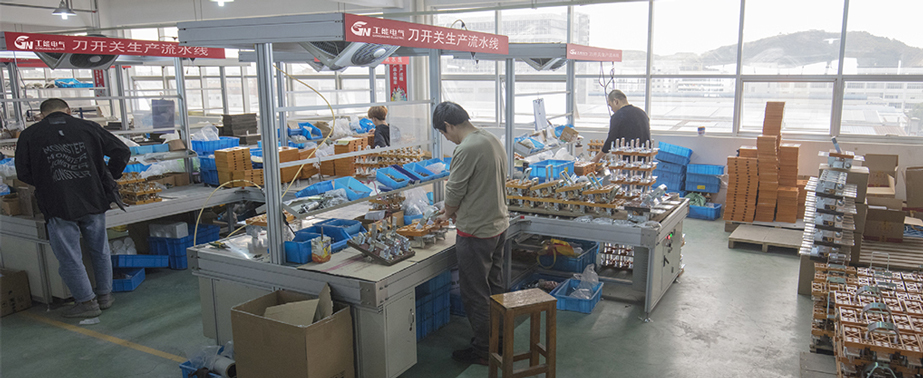
We leverage SPC (Statistical Process Control) methodologies at critical junctions of the assembly phase to isolate anomalies. By adopting a rigid component tracing database, our quality assurance team logs all production variables—from inbound metals to finalized parameters—guaranteeing stable operations in the field.
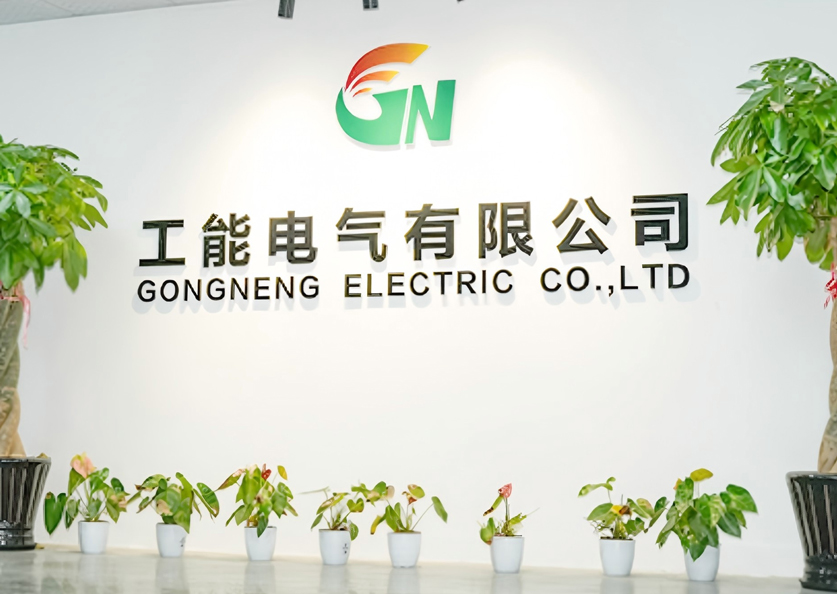
Step inside our highly digitized assembly floors where strict quality control meets standardized automated production.
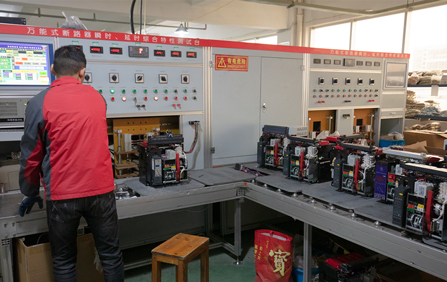
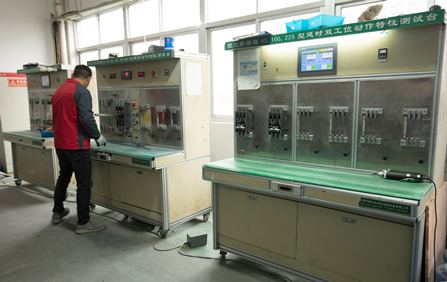
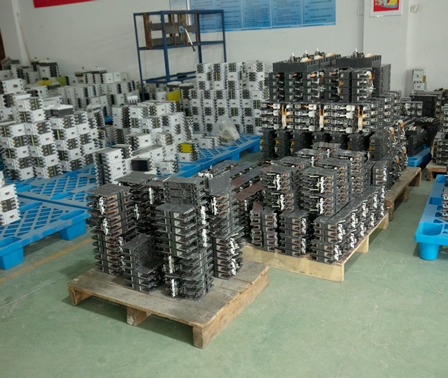
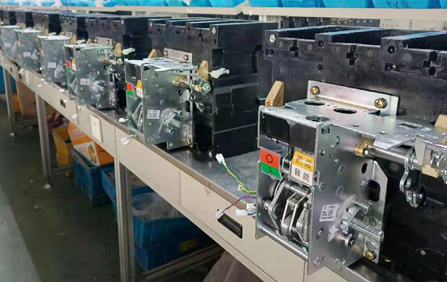
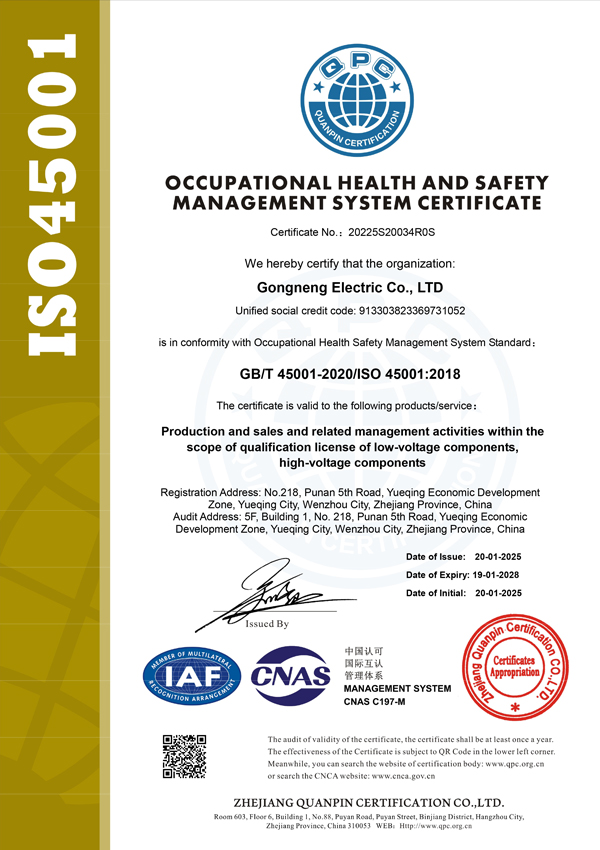
Our commitment to safety is backed by internationally recognized standard certifications and design patents.
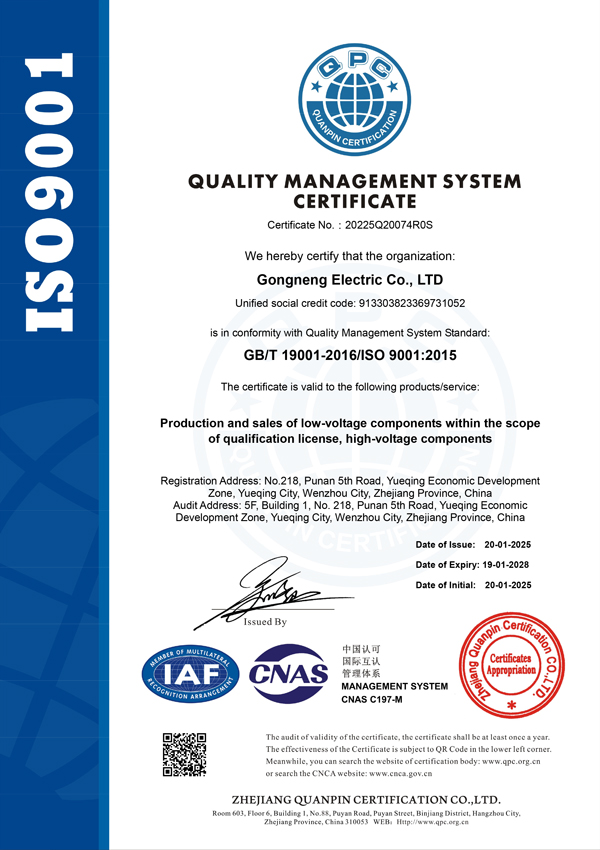
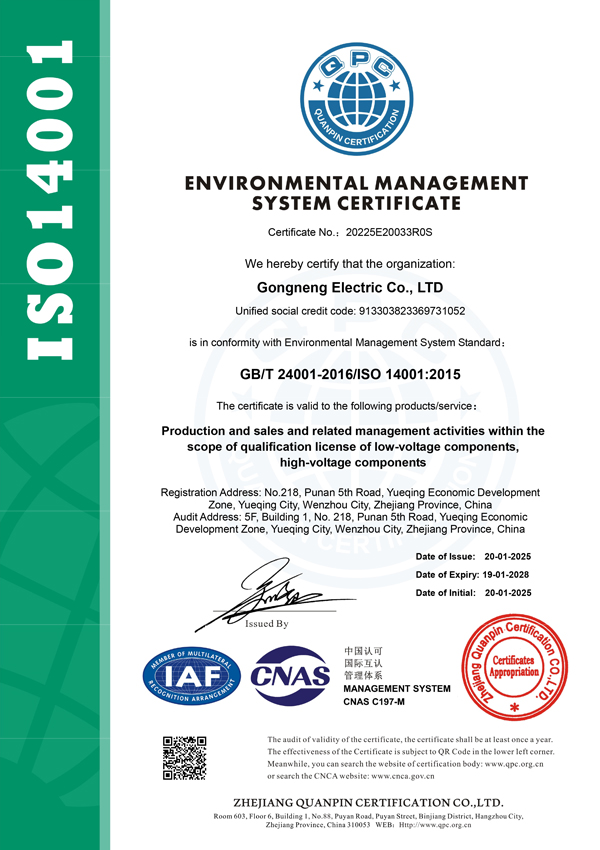
We manufacture a complete line of electrical safety devices tailored for modern power distribution demands.
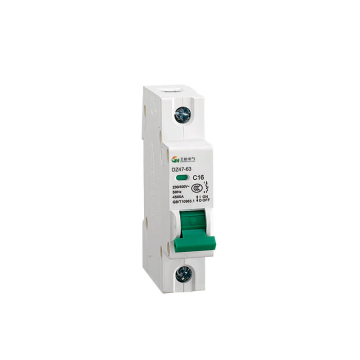
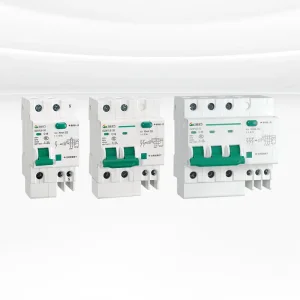
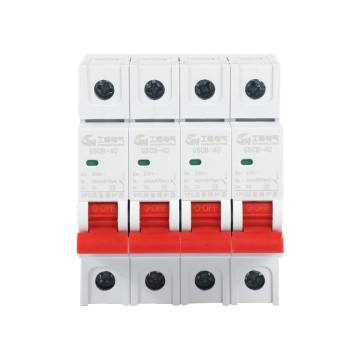
DZ47-63 series miniature circuit breaker
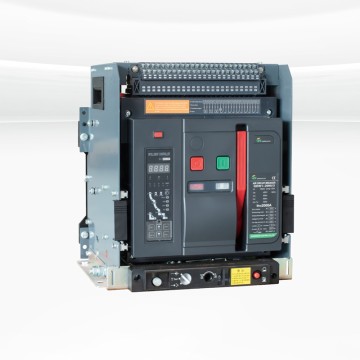
GNW1-1600 Intelligent Universal Circuit Breaker
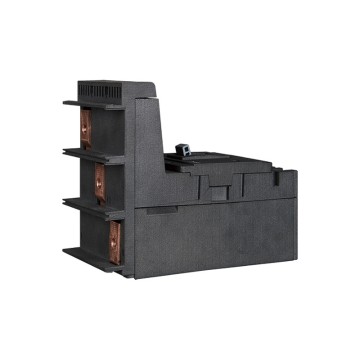
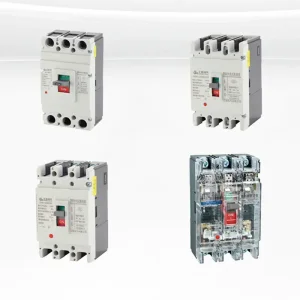
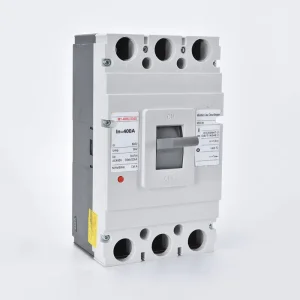
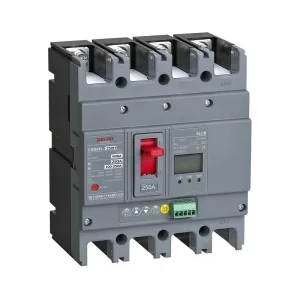
GNMNE Bus-type Molded Case Circuit Breaker
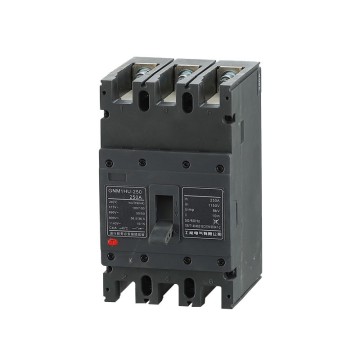
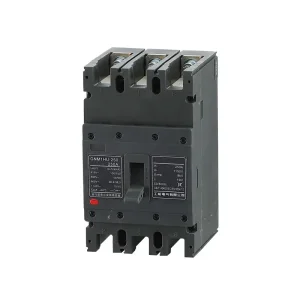
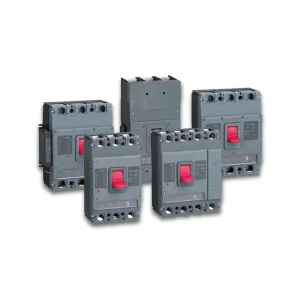
GNM1HU GNM1DC High Voltage MCCB
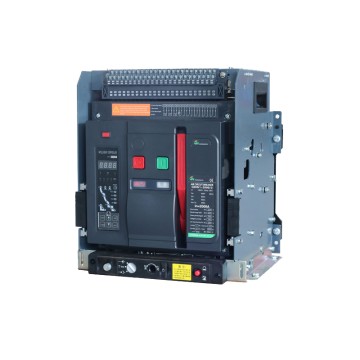
GNW1 Universal Circuit Breaker
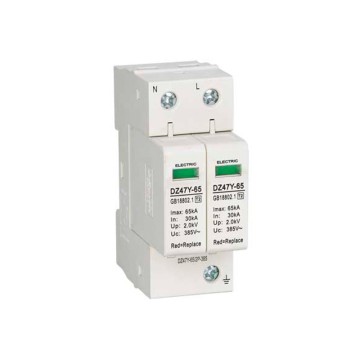
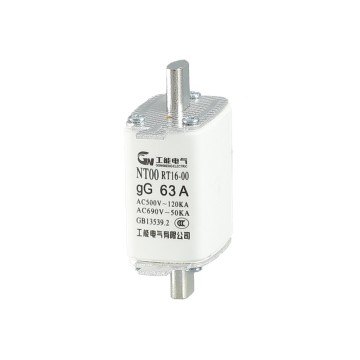
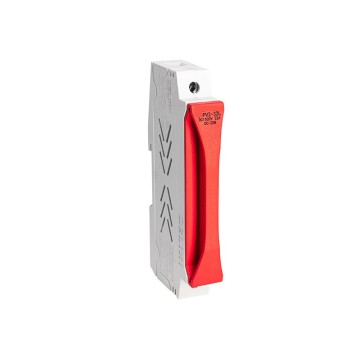
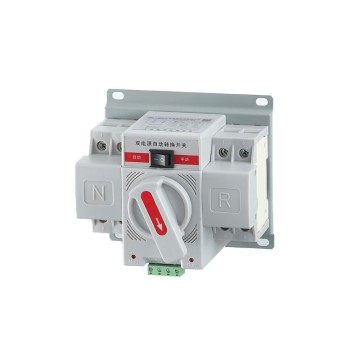
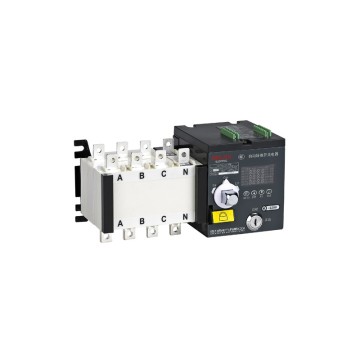
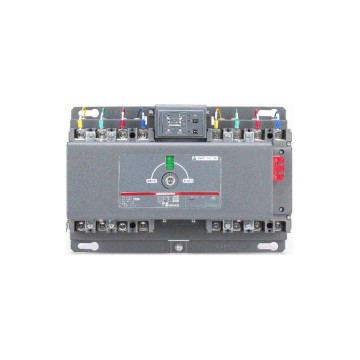
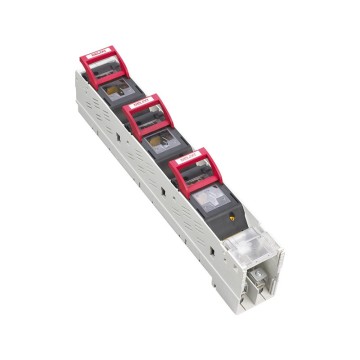
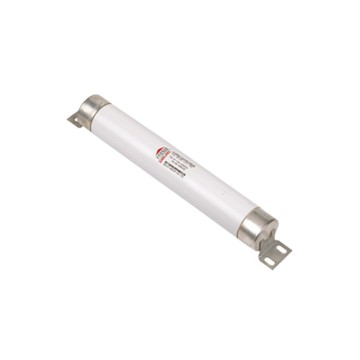
Our switchgear, transfer modules, and protection devices are deployed across specialized markets worldwide.
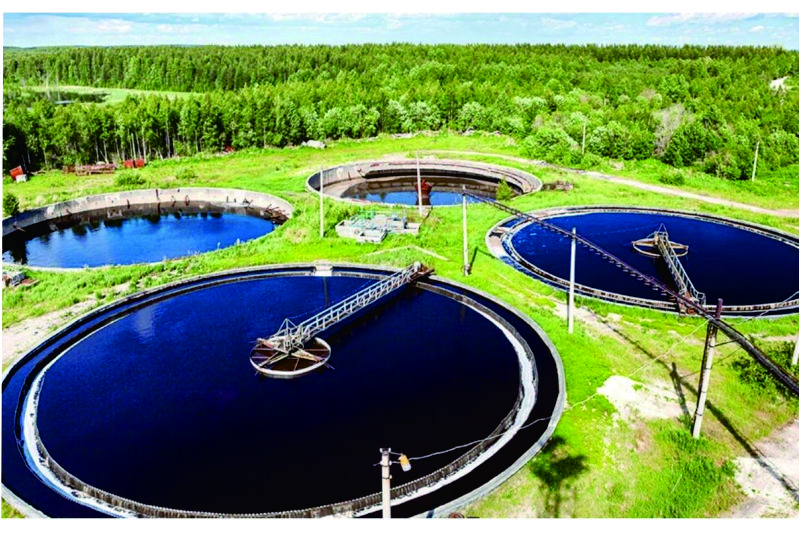
We provide a reliable power distribution configuration: intelligent plastic shell motor protection prevents frequent tripping during water pump startup, maintaining normal flow. Upon primary power failure, the automatic transfer switch switches to backup generator feeds to ensure continuous, safe grid management.
Learn more →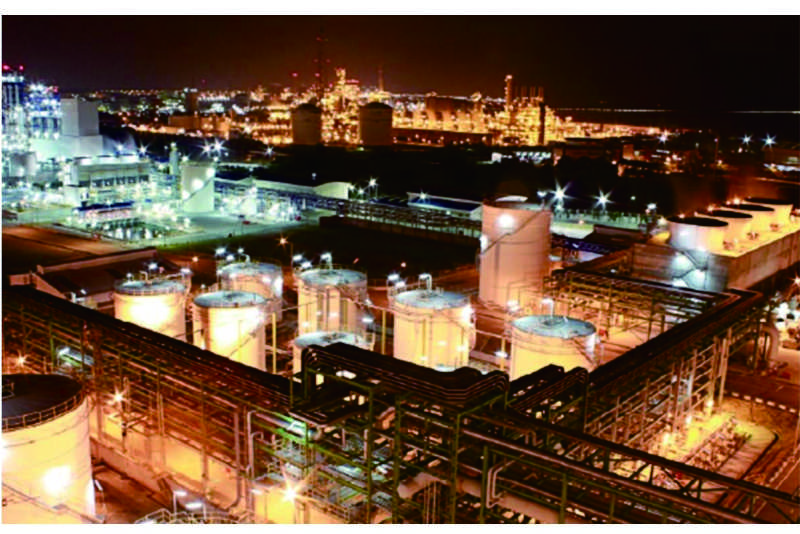
Designed for demanding environments. Petrochemical operations require secure, large-load switchgear capable of mitigating explosive gas hazards. Our switch solutions maintain safe isolating pathways under high-thermal limits, protecting continuous processing facilities.
Learn more →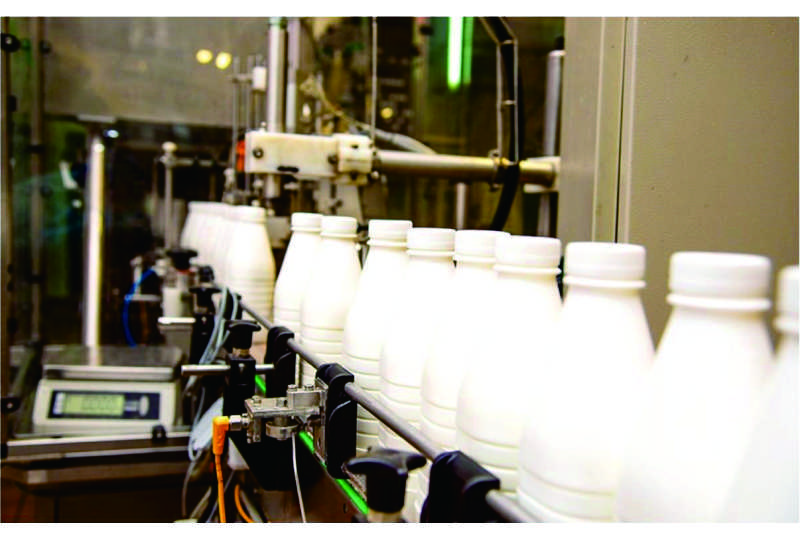
From electronics assembly to consumer goods production, our universal circuit breakers and smart transfer networks monitor real-time energy usage. Facility managers track parameters through remote connections to prevent critical shutdowns.
Learn more →
Ensuring guest safety and infrastructure uptime. Our low-voltage distribution components are lead-free and RoHS certified. Using ACB air breakers and ATS backup lines, we establish seamless transition layouts that keep life-safety systems active.
Learn more →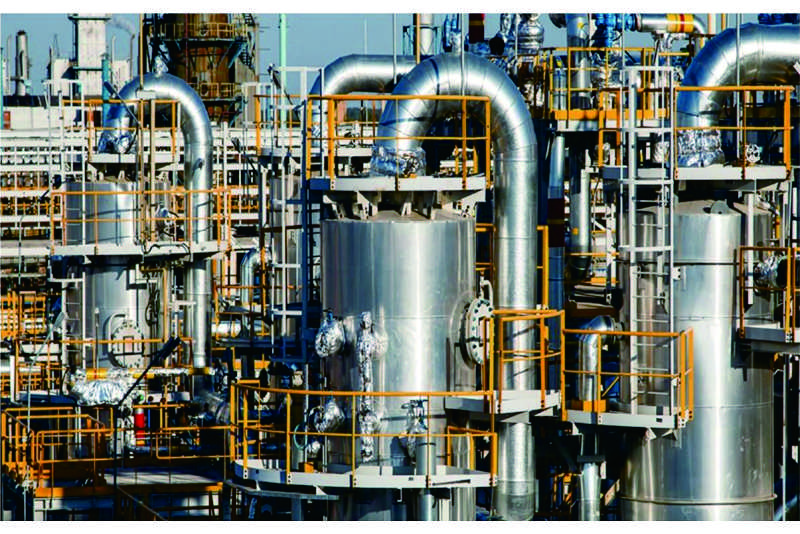
High continuous loads demand reliable automated protection. Our systems use microcomputer controls to continuously evaluate voltage levels, isolating circuits instantly during grid anomalies to avoid downtime in sensitive chemical synthesis environments.
Learn more →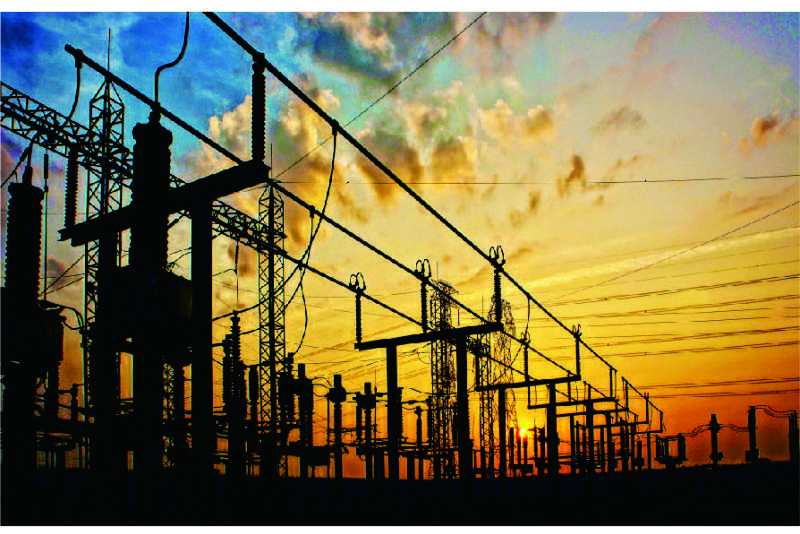
Meeting standard design criteria for municipal substations. By implementing standard structural templates and high-grade contact ratings, we simplify construction processes and improve network compatibility across municipal utility hubs.
Learn more →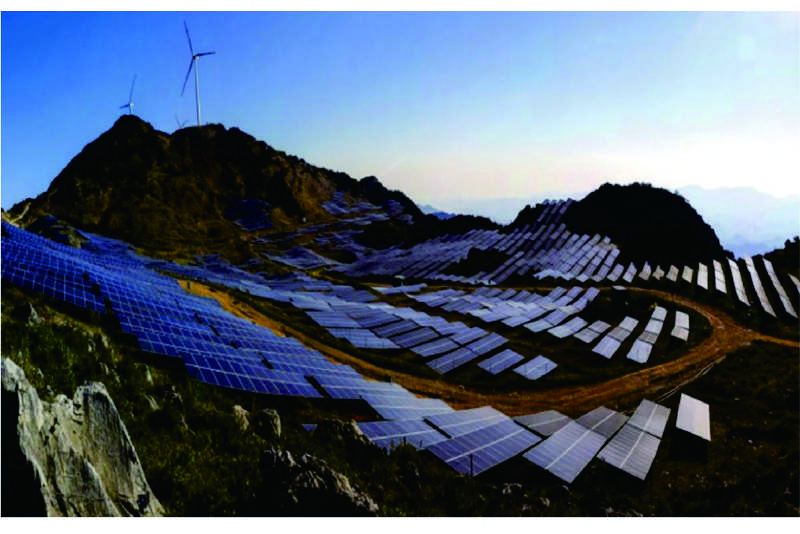
Optimizing renewable grid integration. Our high-voltage DC circuit breakers and isolated switches manage solar array power lines. They protect invertor units, isolate battery arrays, and increase system generation efficiency.
Learn more →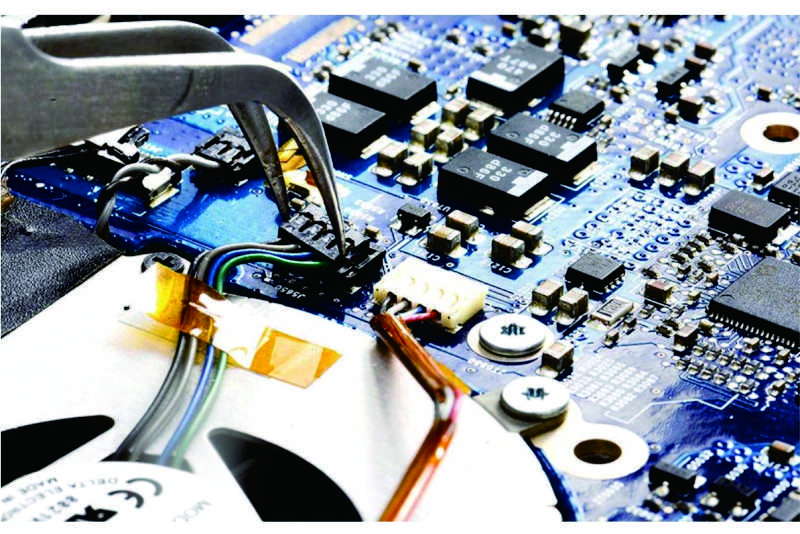
Our solutions prevent damage from power quality issues and voltage fluctuations. Our components protect sensitive silicon assembly tools from electrostatic discharge and transient spikes, helping to secure consistent yield metrics.
Learn more →The transition toward distributed energy resources (DERs) is changing the role of home transfer switches. We are moving beyond basic mechanical toggling toward intelligent, cloud-connected management. As experienced ODM manufacturers, we keep pace with these market developments:
Modern transfer systems are becoming part of the home automation ecosystem. Our next-generation ODM transfer switches feature Modbus, CAN-bus, or Wi-Fi communication protocols. This allows homeowners and utility providers to monitor power paths, switch between grid sources, and run diagnostics remotely.
As electric vehicles with bi-directional charging enter the market, transfer switch designs must adjust. Switches need to handle power flowing from EV batteries into the home distribution panel during outages, while meeting utility requirements to prevent power backfeeding.
Solid-state switching uses high-power semiconductors like silicon controlled rectifiers (SCRs) or IGBTs instead of mechanical contacts. This technology achieves transition speeds below 4 milliseconds. Fast transitions protect sensitive electronics from voltage drops during power shifts.
Technical answers to key safety, compliance, and custom design questions for engineering teams.
Explore our wider catalog of safety systems, fuses, and custom power management products.
 Igoye Energy