As the economic heartbeat of the Philippines, Metro Manila (including Makati, Taguig/BGC, and Quezon City) faces a unique set of power challenges. The rapid expansion of Business Process Outsourcing (BPO), cloud data centers, and high-density residential developments has placed unprecedented demand on the local grid (Meralco). In an environment where typhoons and seasonal grid instability are common, an Automatic Transfer Switch (ATS) is not a luxury—it is a critical necessity for business continuity.
For industrial facilities in the Cavite-Laguna-Batangas (CALABARZON) corridor and the PEZA (Philippine Economic Zone Authority) zones, power fluctuations can result in millions of pesos in lost production. Our GNQ series ATS solutions are specifically engineered to handle these tropical conditions, offering millisecond-level switching to backup generators or secondary power feeds.
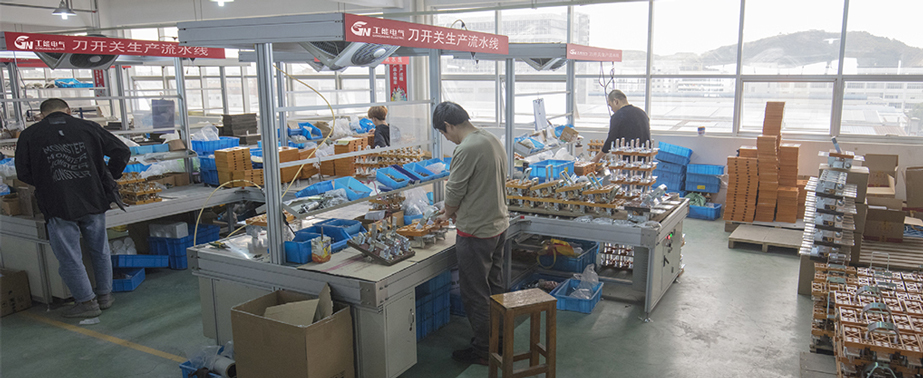
Located in the Economic Development Zone of Yueqing City, Zhejiang Province, IGOYE Energy is at the epicenter of China’s electrical manufacturing excellence. With Qili Harbor to our south and a massive 12,000 m² standardized workshop, we have built a global reputation as a premier ATS manufacturer and factory serving the Manila market and beyond.
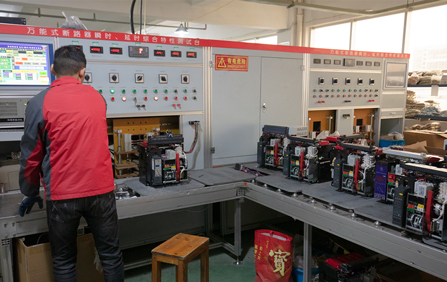
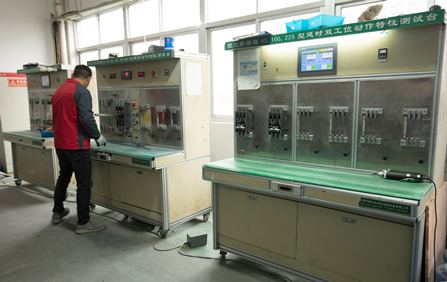
Our commitment to E-E-A-T principles is reflected in our 180+ units of production and testing equipment. We utilize SPC (Statistical Process Control) tools and a comprehensive traceability system to ensure every circuit breaker and transfer switch meeting the rigorous demands of Philippine electrical standards.
Consult Our Experts
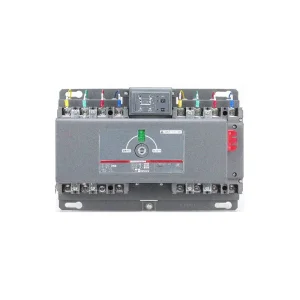
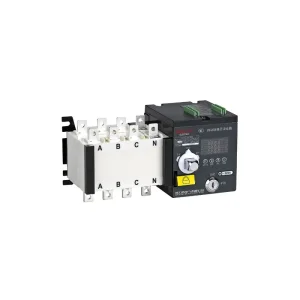
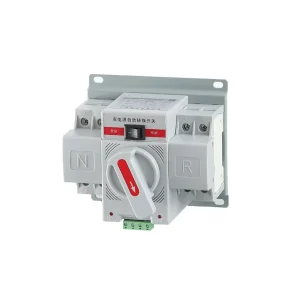
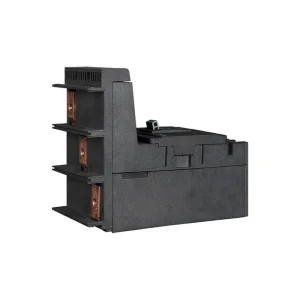
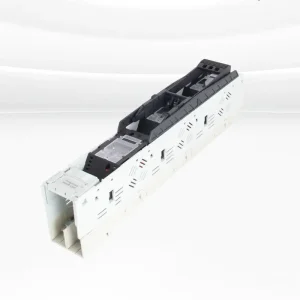
Continuous power for Manila's massive outsourcing sector using PC-Class ATS for no-break transitions.
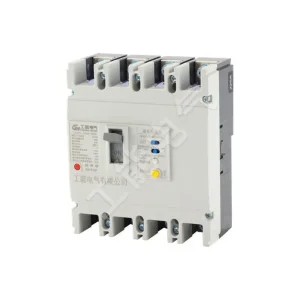
Compliance with Philippine Department of Health (DOH) standards for critical life-support power systems.
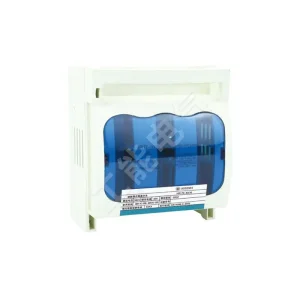
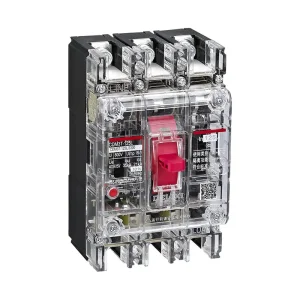
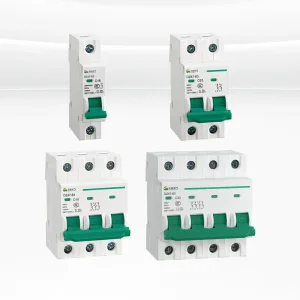
Molded Case Circuit Breaker (MCCB) integrated ATS for heavy-duty fault protection in factory lines.
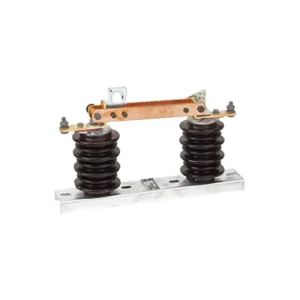
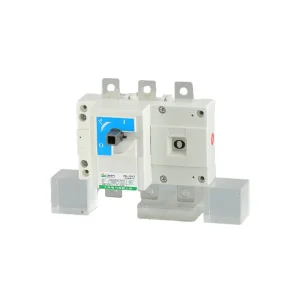
Smart transfer switches for Manila solar microgrids, balancing PV output with grid and battery storage.
Logistics Advantage: Shipping from Zhejiang to the Port of Manila or Batangas is streamlined via established maritime routes. We offer specialized export packaging to withstand high-humidity maritime transit.
Compliance: All products are compliant with IEC 60947-6-1 standards, which are widely accepted by the Philippine Bureau of Philippine Standards (BPS) and the professional electrical engineering community (IIEE).
Cost-Efficiency: Direct factory sourcing allows Manila-based contractors and developers to bypass middlemen, ensuring a 20-30% reduction in procurement costs for large-scale infrastructure projects.
Customization: From dual-power ATS to integrated distribution cabinets, we provide OEM/ODM services tailored to the specific voltage requirements (230V/400V 60Hz) of the Philippine power grid.
The next decade of power management in Manila will be defined by Smart Grids and IoT Integration. Our R&D department is currently focusing on "Digital Twin" ATS systems that allow Manila facility managers to monitor switch health via mobile apps. By incorporating AI-driven predictive maintenance, we can identify potential contact wear before a failure occurs, ensuring that the transition from Meralco grid power to backup generation is 100% reliable.
For standard models like the GNQ1 or GNQ2, factory production takes 7-15 days, with maritime shipping from Ningbo/Shanghai to Manila typically taking 10-14 days. Total lead time is usually under 30 days.
Yes. Our products are manufactured to IEC 60947 standards, which are the basis for the PEC. We have successfully supplied thousands of units to major Philippine projects including residential condos and industrial plants.
CB-class ATS (like our GNQ3R) includes an overcurrent release and can break fault currents, whereas PC-class focuses purely on the transfer without integral protection. BPOs typically prefer PC-class for mission-critical loads where a separate breaker handles protection.
Absolutely. Our ATS controllers are designed to be brand-agnostic and can interface with the start/stop signals of all major industrial generator brands commonly found in the Philippines.
 Igoye Energy