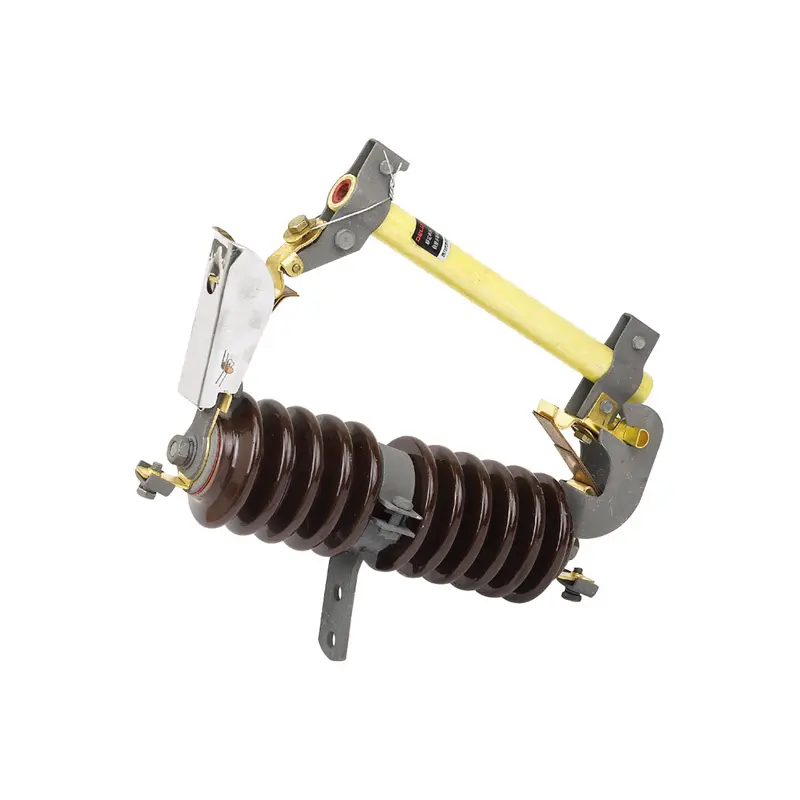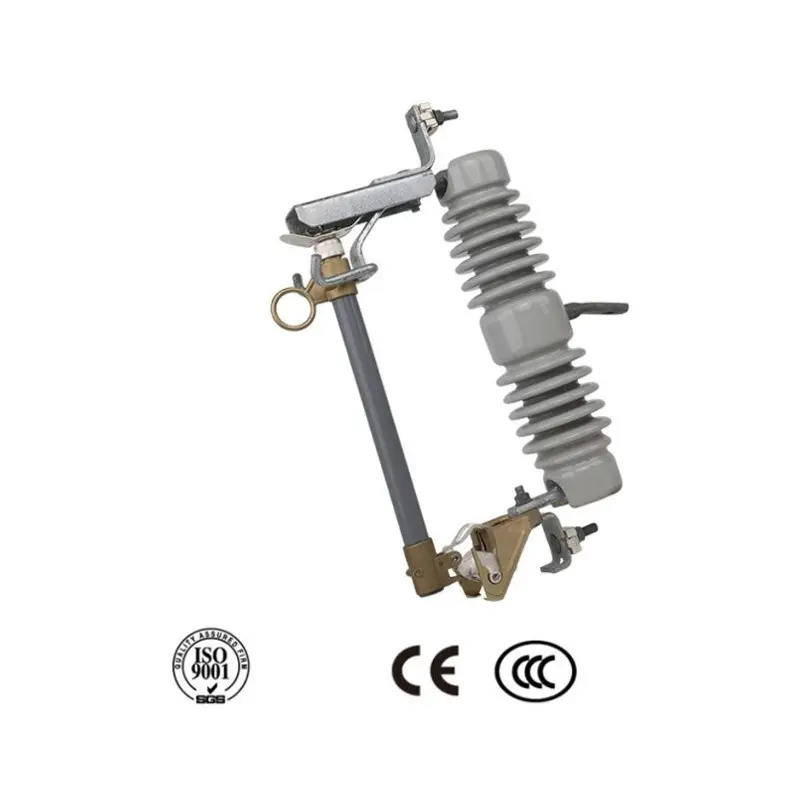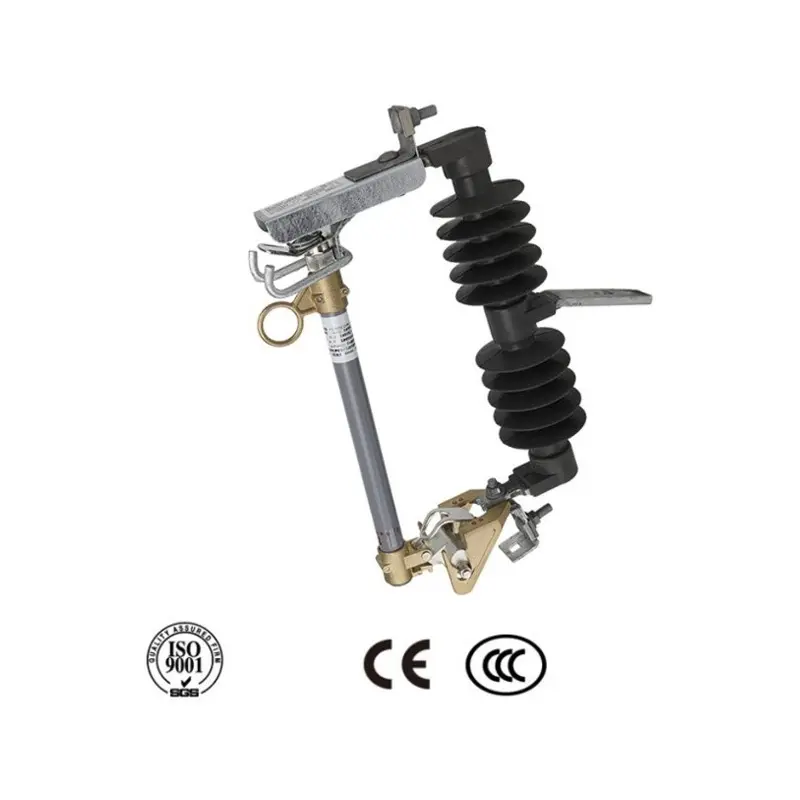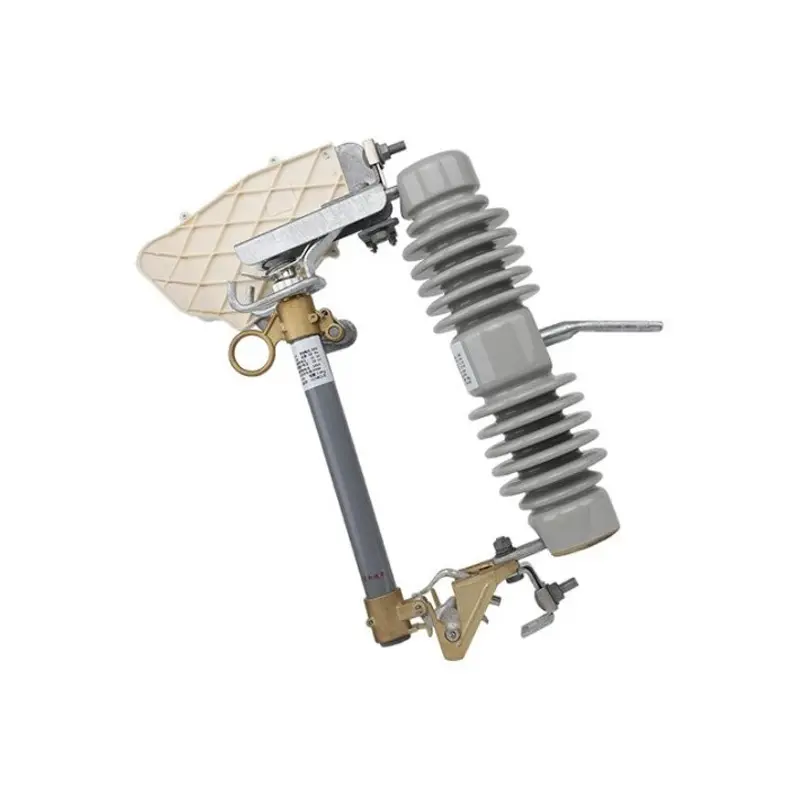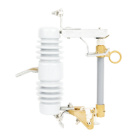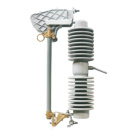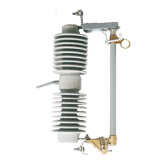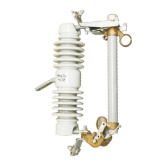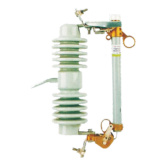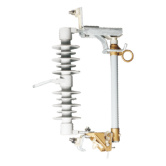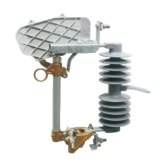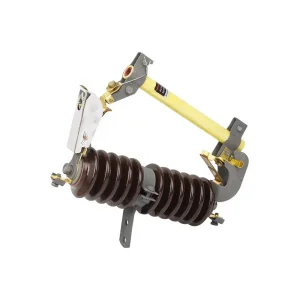
ODM RW Type Outdoor AC High Voltage Drop Fuse Manufacturers, Factory

Mode: DNHRW12
Rated voltage: 10-15KV
Rated current: 100A/200A
Breaking current: 8KA/10 KA
Power-frequency WithstandVoitag: 45kV
Impulse Voitage:110BIL
Leakage Distance:420mm
Weight:4kg/4.2kg
11kV fuse cutout high voltage suppliers excellent fuse 42×37×13.5cm

Product Description

Selection Guide

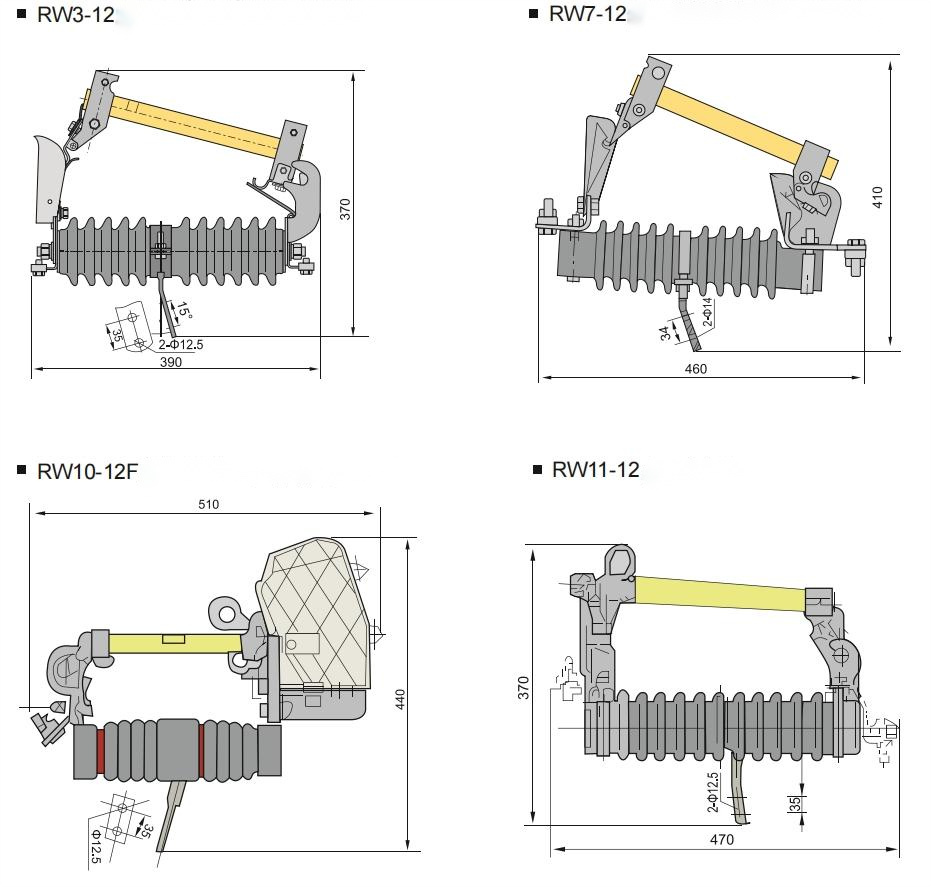
Product Name Voltage (kV) Current (A) Insulator Type Type Arc Extinguishing Chamber
RW3 / RW7 / RW10 / RW11 12 100 / 200 H: Silicone rubber
Default: Porcelain
Z: Casting
Default: Stamping
F: With chamber
Default: Without
Note: RW3 does not have an arc extinguishing chamber; RW7 is porcelain insulated (stamping type), without an arc extinguishing chamber; RW10 is a casting type; RW11 is a casting type without an arc extinguishing chamber.

Technical Parameters

Current Specification (A) 100, 200
Voltage (kV) 12
National Standards GB 15166.3

Appearance and Installation Dimensions

Installation Dimensions

Overview

Drop-type fuses and load drop-type fuses are outdoor high-voltage protective devices. They are installed on the high-voltage side of distribution transformers or on distribution line branch trunk roads, providing short-circuit and overload protection, and enabling points and closing load current.

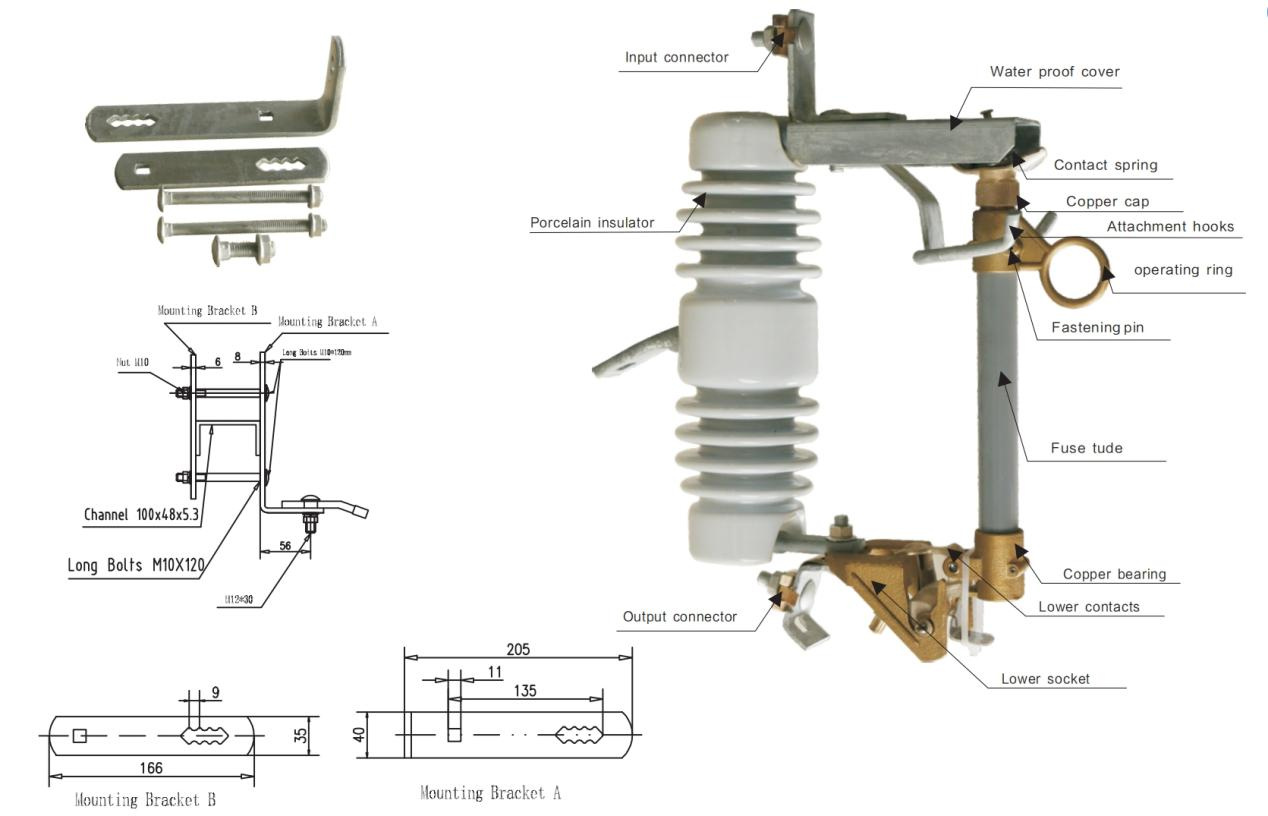
Mechanism: The drop-type fuse consists of an insulating bracket and a fuse tube. Static contacts are mounted at both ends of the bracket, while moving contacts are on the fuse tube. The load-dropping type adds an elastic auxiliary contact and arc extinguishing cover to manage closing load currents.

Operation: During normal operation, the fuse tube is held in the closed position by the tension of the fuse. When a fault occurs, the fault current melts the fuse quickly, creating an arc. The arc tube decomposes gas under the intense heat, forming high pressure inside that causes a longitudinal blow, rapidly stretching and extinguishing the arc. Once the fuse is broken, the locking mechanism releases and the fuse tube falls, creating a visible breaking position.

1. Normal Operating Conditions

Environmental temperature: -40°C to +40°C
Altitude: Not exceeding 1000m
Maximum wind speed: 35m/s
Earthquake intensity: Up to 8 degrees

2. Restrictions

The product is not applicable to areas with combustion/explosion risks, severe vibration, shock, or heavy chemical/salt fog pollution.
Product Overview

12~36kV Fuse Cutout Detailed Specifications

Frequently Asked Questions

1. What is the primary function of a drop-type fuse?
Drop-type fuses serve as outdoor high-voltage protection devices for distribution transformers and transmission lines, protecting against short circuits and overloads.
2. How do I distinguish between RW3 and RW10 types?
RW3 is a standard type without an arc extinguishing chamber, whereas RW10 is a casting-type design, often preferred for its structural integrity in specific installations.
3. What are the temperature limits for operating these fuses?
The recommended environmental temperature range for normal operation is between -40°C and +40°C.
4. Does the altitude affect the performance of the fuse cutout?
Yes, standard units are designed for altitudes not exceeding 1000 meters. For higher altitudes, specialized ratings may be required.
5. How does the arc extinguishing mechanism work during a fault?
When the fuse melts, an arc is formed. The heat causes the arc tube to release gas, creating high internal pressure and a longitudinal blow that stretches and extinguishes the arc rapidly.
6. Can these fuses be used in coastal areas with high salt fog?
Standard models are not applicable for areas with serious pollution or salt fog. Specialized silicone rubber (Polymer) versions with higher leakage distances are typically recommended for such environments.

Related Products