Engineered for absolute circuit reliability, overload protection, and critical systems safety.
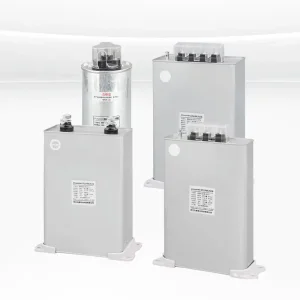
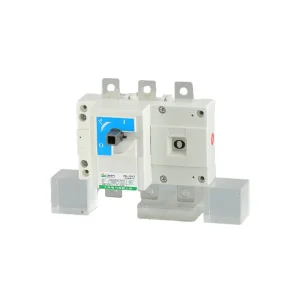
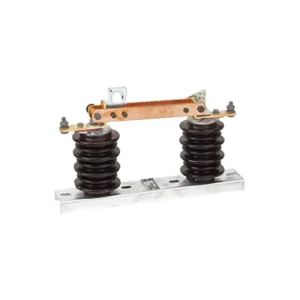
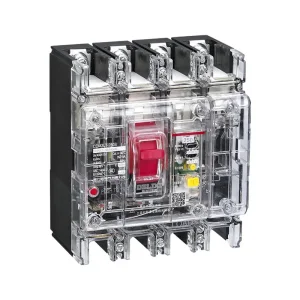
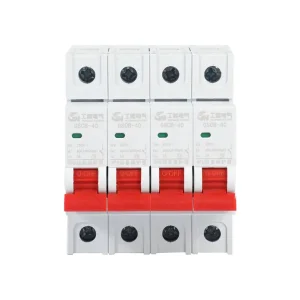
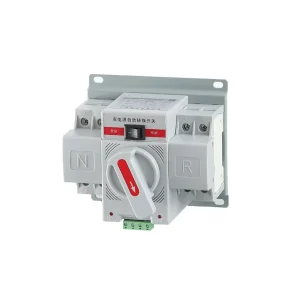
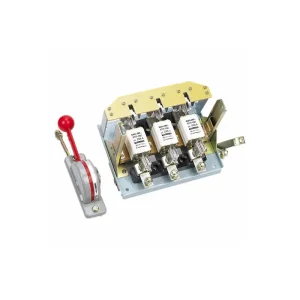
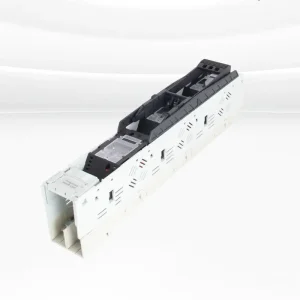
As global energy grids transform through the deployment of decentralized renewables, microgrids, and electric vehicle charging infrastructures, the demands placed on final terminal distribution equipment have accelerated exponentially.
Traditional overload and short-circuit protection devices are no longer sufficient. Today's commercial, industrial, and residential applications require circuit protection that operates with micro-second accuracy under high ambient fluctuations. This shifts the focus of international engineering standards from simple overcurrent insulation to complex thermal-magnetic systems, multi-standard compatibility, and high breaking capacity.
Modern MCB Circuit Breaker Types are defined by their tripping characteristics, current ratings, and voltage ranges, which directly align with local installation environments. The modern system design engineer must match these specifications precisely to optimize safety, avoid unnecessary system trips, and secure robust operational longevity.
A comprehensive breakdown of standard miniature circuit breaker types to guide global B2B procurement decisions.
| Curve Type | Magnetic Trip Threshold | Common Localized Scenarios | Typical Applications |
|---|---|---|---|
| Type B | 3 to 5 times rated current (In) | Resistive loads, minimal in-rush currents. High compatibility with residential switchboards. | Domestic heating, lighting circuits, residential home distribution boxes. |
| Type C | 5 to 10 times rated current (In) | Moderate inductive loads. The standard default choice for commercial properties. | Fluorescent lighting arrays, HVAC systems, small workshop motors, office electrical loops. |
| Type D | 10 to 20 times rated current (In) | High inductive loads. Heavy current surges during equipment startup. | Industrial water pumps, petrochemical compressors, high-voltage transformers, medical X-ray machines. |
| Type K | 8 to 12 times rated current (In) | Sensitive equipment protection. Designed to protect components under brief peak currents. | Control circuits, motor starting, complex automation panels. |
| Type Z | 2 to 3 times rated current (In) | Extremely sensitive semiconductor switching. Fast-acting protection requirements. | Power supply boards, telecom transmission rooms, highly integrated microchips. |
Every industrial-grade MCB employs two distinct mechanisms to monitor and protect electrical systems:
1. Thermal Protection: Managed by an internal bimetallic strip. As overcurrent flows through the system, the temperature rise causes the strip to bend, triggering the mechanical latch. This handles slow, long-term overloads.
2. Magnetic Protection: Consists of a solenoid coil. Under short-circuit conditions, the dramatic current spike induces a massive magnetic field that pulls the plunger instantly. This guarantees immediate isolation within milliseconds to shield upstream assets.
In the face of global trade uncertainties and localized grid modifications, supply chain resilience has emerged as the definitive metrics for B2B procurement professionals.
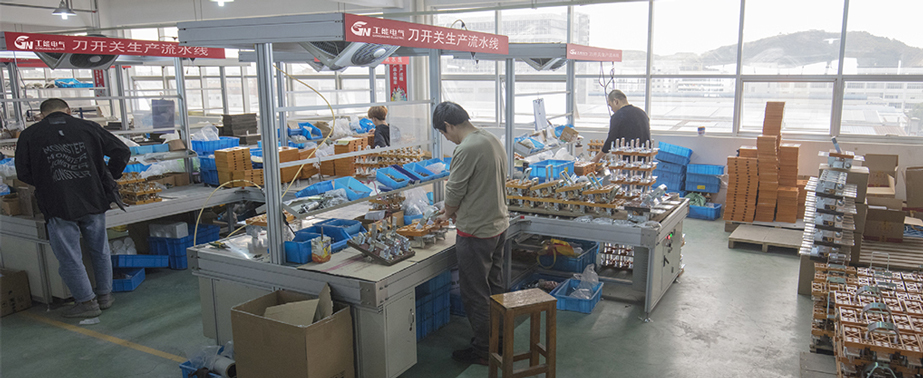
Zhejiang Igoye Energy Technology Co., Ltd. leverages a highly optimized production cluster in Yueqing City, Zhejiang Province. Surrounded by Yueqing Bay, Qili Harbor, and the Liubai Economic Circle, Igoye operates within a highly efficient logistical infrastructure that ensures seamless export workflows.
By transitioning to a digitized Factory 4.0 standard, the standard workshop spanning over 12,000 square meters utilizes 180 advanced production and testing units. With 212 employees—including 20 professional and technical engineers—the factory integrates statistical process control (SPC) tools, tracking and verifying key physical parameters, calibration dates, and component batches. This systematic traceability ensures zero-defect delivery across all distribution apparatus lines.
How specialized low-voltage protection equipment adapts to distinct demanding operating environments.
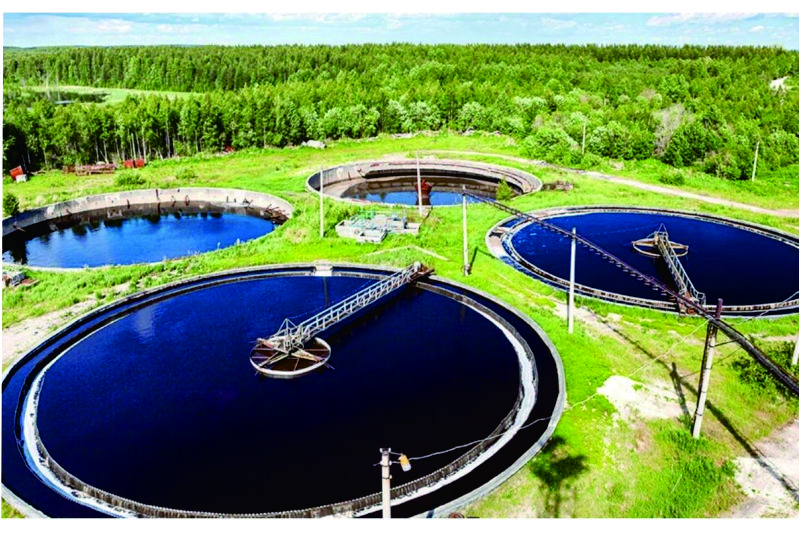
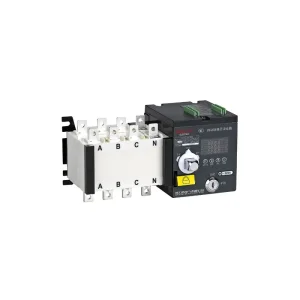
Provides robust plastic shell motor protection to eliminate frequent startup trips, combined with dual power switches for zero-downtime backup power routing and energy-efficient power factors.
Technical Specs →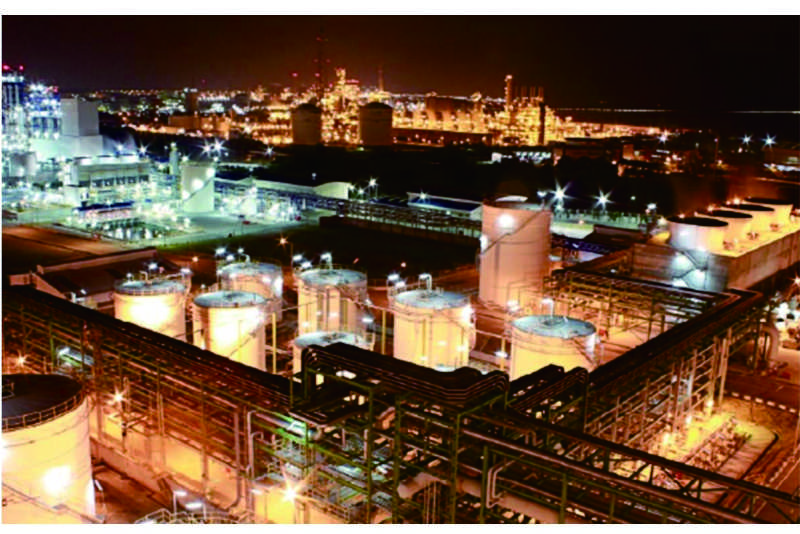
Designed for harsh, heavy-load environments. High isolating strength, explosion-proof integrations, and corrosion-resistant breaker shells ensure stability in oilfields and refineries.
Technical Specs →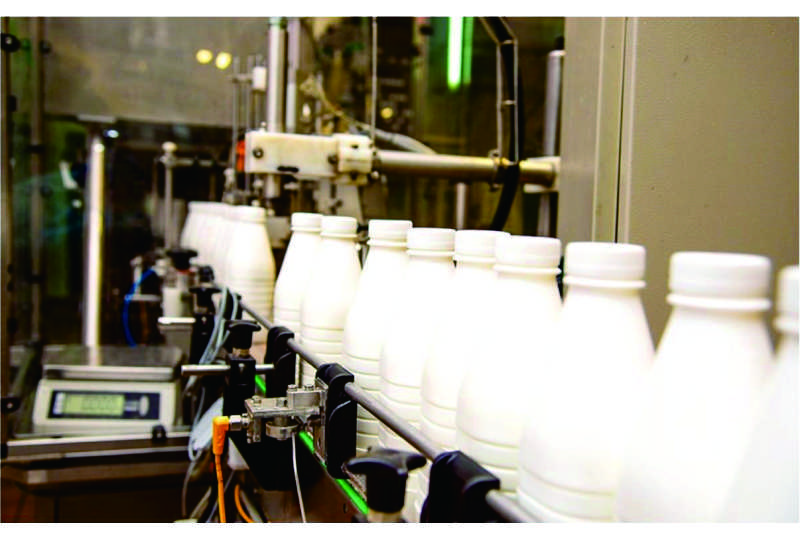
Integrates intelligent electronic MCCBs with remote Modbus/PC monitoring. Tracks electrical data in real-time, facilitating digitized energy management and preventative maintenance.
Technical Specs →
Complies with EU RoHS certifications (free of lead, cadmium, mercury). Focuses on fire-retardant terminal distribution boxes, low-noise AC contactors, and high safety indicators.
Technical Specs →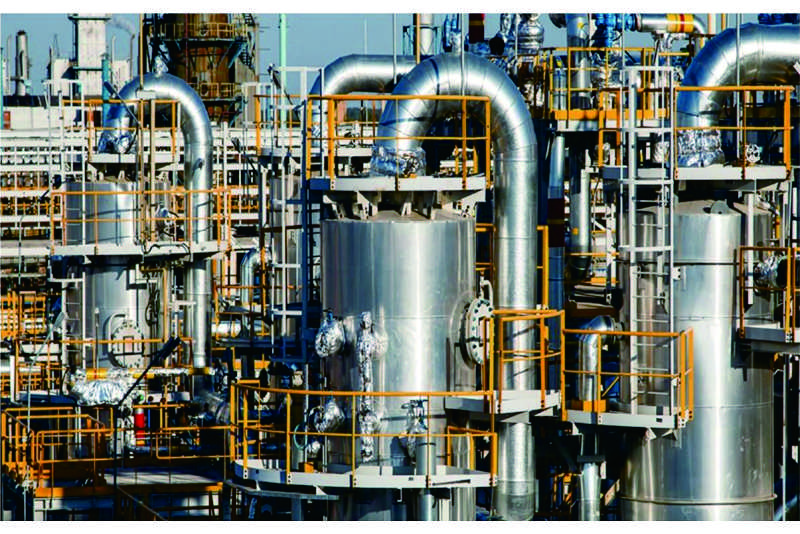
Employs comprehensive microcomputer-monitored switchgear to verify parameters across high-fault potential production lines, keeping chemical synthesis processes safe.
Technical Specs →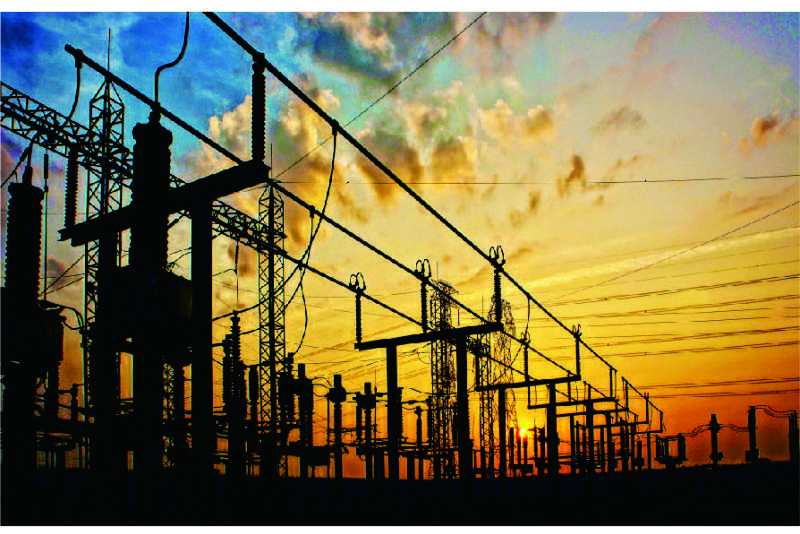
Meets standardization guidelines in China. Allows simple site expansion, structured layout designs, and modular component interchangeability for state-operated distribution grids.
Technical Specs →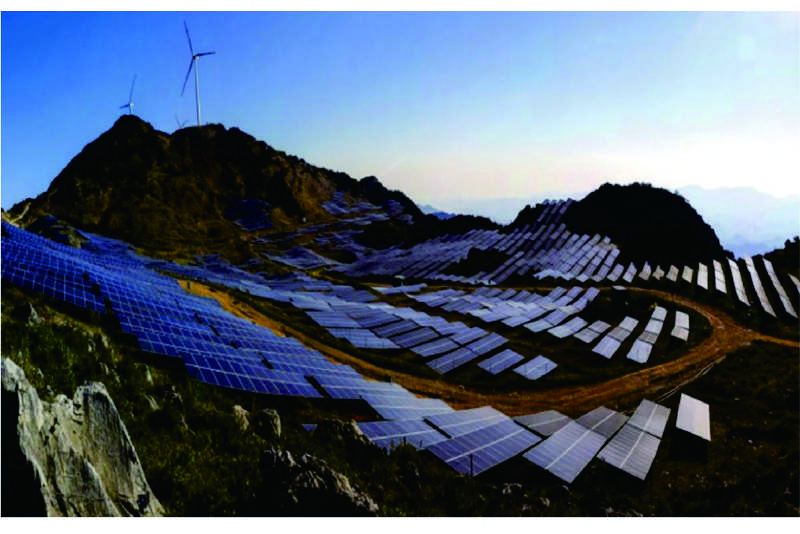
Optimized for high-voltage DC circuits up to 1000V/1500V DC. Prevents dangerous arc faults, and mitigates losses within clean-energy microgrids and large-scale solar farms.
Technical Specs →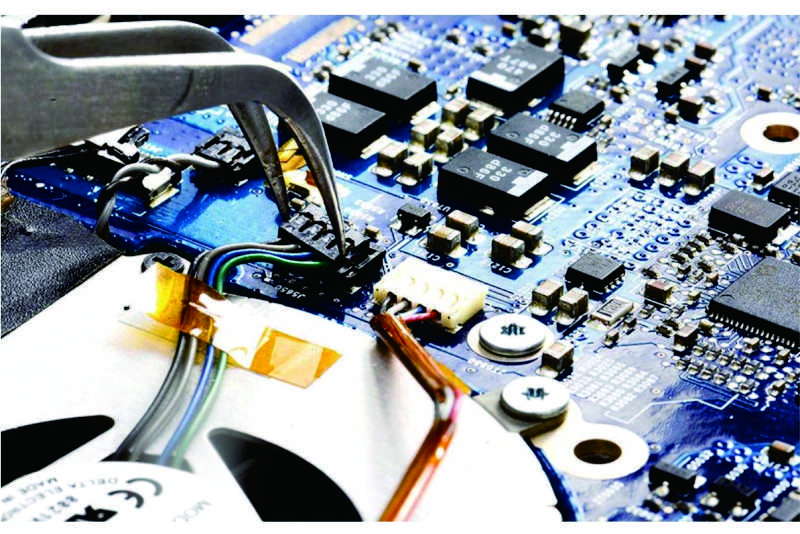
Protects vulnerable microelectronic assembly lines from voltage sags, power surges, and electrostatic discharges. Ensures a clean, reliable, and continuously regulated supply.
Technical Specs →Ensuring rigorous compliance with international testing frameworks to meet demanding engineering specifications.
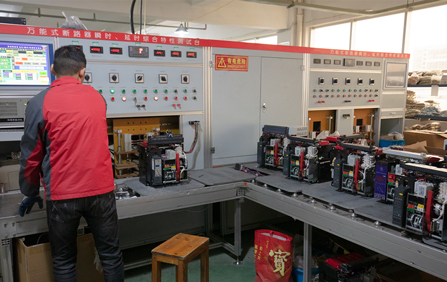
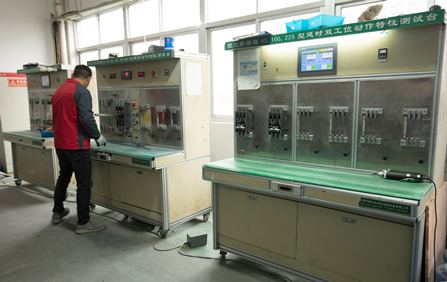
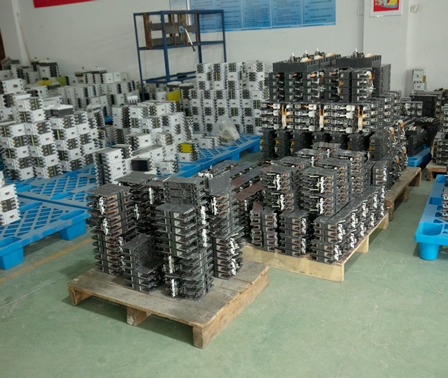
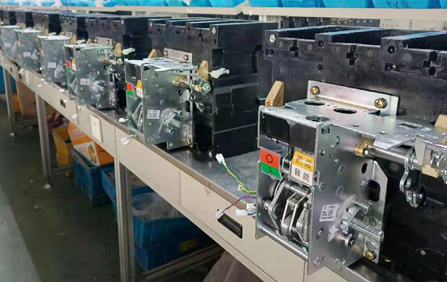
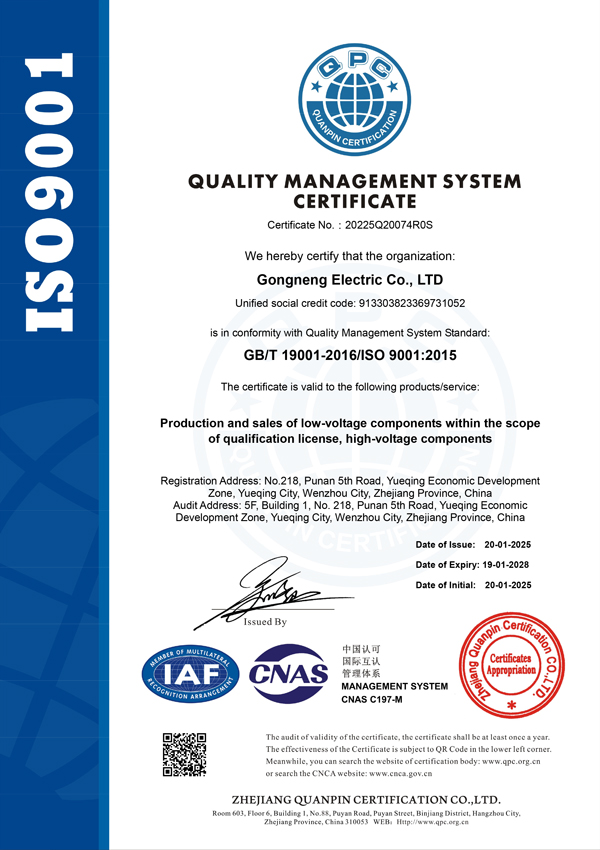
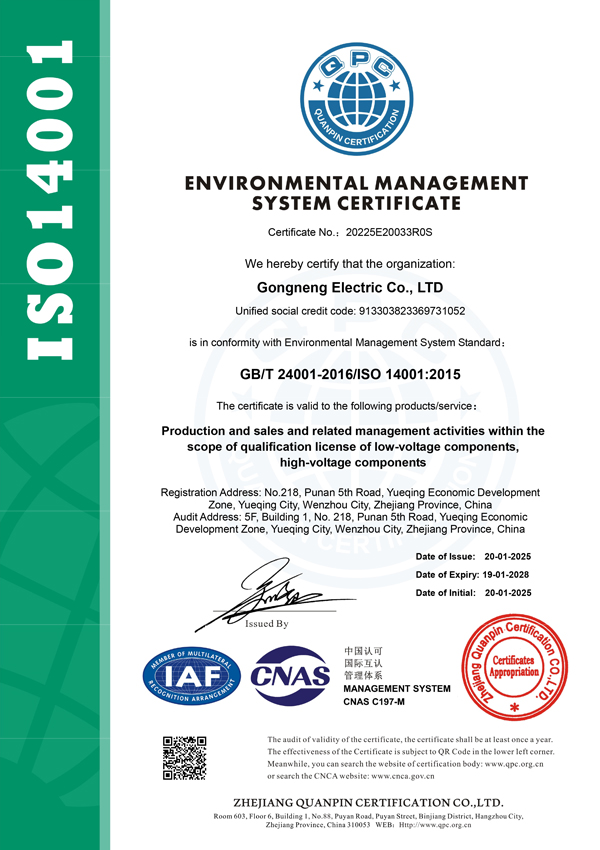
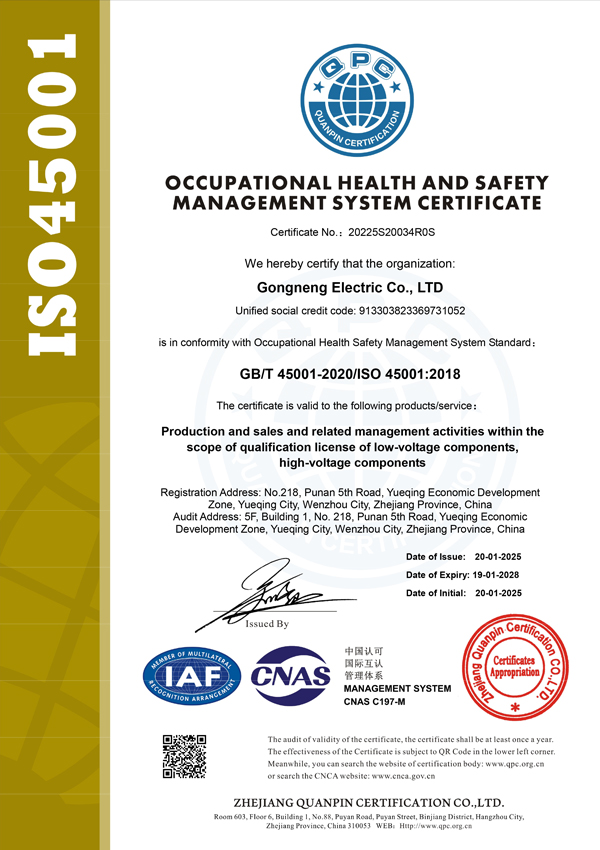
Every stage of the manufacturing loop—from raw silver contacts to standard enclosure moulding—undergoes strict incoming quality control. High-level equipment tracks calibration, thermal-trip profiles, and short-circuit break thresholds. Below is an authentic insight into our ISO9001-certified assembly floors and global accreditation testing.
How procurement teams can avoid common failure points, verify capacity, and secure high-availability contracts.
Many suppliers market breakers with 10kA thresholds that fail during sustained nominal short-circuits. Insist on receiving certified CE, CB, and Semko reports validating execution against IEC/EN 60898-1 standards.
MCBs are calibrated at standard temperatures (typically 30°C). When operating in hot industrial cabinets (up to 55°C), breaker performance can drift. Reliable suppliers must publish precise temperature correction tables.
Verify that components use calibrated silver-alloy contacts and glass-fiber reinforced plastic housing. Traceability markings (with exact batch labels and test timestamps) prevent inconsistent failures.
Expert answers on selection criteria, industrial standards, and electrical safety dynamics.
IEC 60898-1 covers miniature circuit breakers intended for household and similar final terminal installations (operated by untrained users). It restricts voltage up to 440V AC and currents up to 125A. Under IEC 60947-2, breakers are certified for industrial environments (operated by trained technicians). They allow higher breaking capacities and cover both AC and DC applications, maintaining tighter calibration criteria.
Miniature circuit breakers use physical bimetallic strips for overload detection. Since these strips react to thermal heat, high ambient temperatures reduce the current threshold needed to trigger a trip. System designers must calculate the derating factor (typically 1.1x to 1.3x) when grouping multiple breakers in compact enclosures or hot localized areas.
Type C MCBs trip when current rises 5 to 10 times nominal. They are suited for light-starting commercial motors. Type D breakers trip at 10 to 20 times nominal, providing a safety margin for large, heavy-duty industrial induction motors and high-induction transformers that draw massive initial currents without tripping the breaker.
The durability of contacts and arc chutes is key. Professional factories use high-grade silver-graphite alloy contacts to resist pitting. They also design arc chambers with numerous steel plates that divide, cool, and extinguish electrical arcs within milliseconds, increasing mechanical and electrical lifespan.
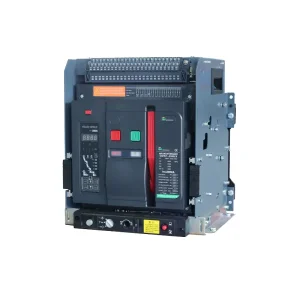
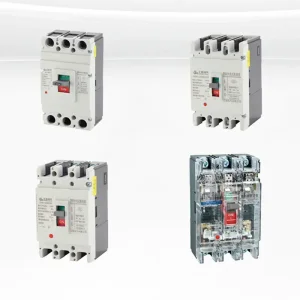
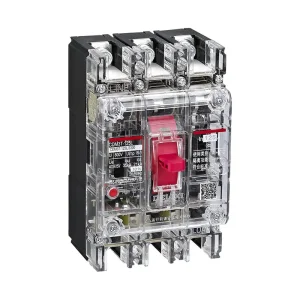
Industrial-grade components optimized for high breaking capacities, automated transfer switching, and smart infrastructure.
 Igoye Energy