High-performance low-voltage electrical solutions optimized for global distribution safety standards.
Understanding the mechanics, sensitivity levels, and system design criteria for modern electrical networks.
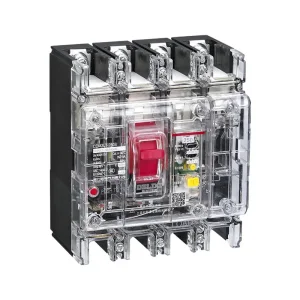
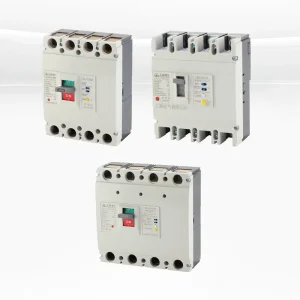
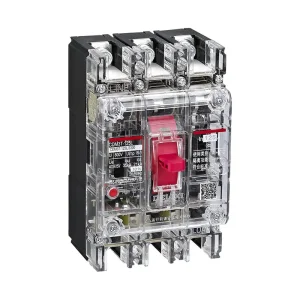
Small leakage circuit breakers—commonly classified as RCBOs (Residual Current Circuit Breaker with Overcurrent Protection) or RCDs (Residual Current Devices)—serve as the frontline defense against earth fault currents. These devices operate by continuously measuring the current differential between active and neutral conductors via a highly sensitive Zero-Phase Current Transformer (ZCT). Under normal operating conditions, the vector sum of these currents equals zero. An imbalance (residual current) triggers an instantaneous magnetic flux in the ZCT secondary winding, signaling the tripper mechanism to isolate the circuit.
As a leading supplier and manufacturer, we engineer our devices to support critical sensitivities ranging from 10mA (high-sensitivity, biological safety) to 30mA (standard personnel protection) and up to 300mA (equipment and fire protection). Type A and Type AC classifications are calibrated to protect not only against sinusoidal AC faults but also pulsating DC residual currents, which are common in switching power supplies and modern electronic loads.
The distinction between electromagnetic (voltage-independent) and electronic (voltage-dependent) RCBO architectures defines their regional suitability and application scope. Electromagnetic leakage circuit breakers utilize the kinetic energy derived from the leakage fault itself to release the holding latch. This guarantees trip protection even during complete neutral loss or low-voltage line drops.
Conversely, electronic leakage circuit breakers employ internal micro-circuitry to process signals and trigger trip solenoids. While offering superior compact sizing (e.g., single-module RCBOs) and cost efficiencies, electronic designs require high-grade surge immunity and shielding to prevent nuisance tripping caused by transient voltage spikes. Our manufacturing processes incorporate high-performance transient voltage suppressors (TVS) and EMI filters to ensure industry-leading electromagnetic compatibility (EMC) in our electronic circuit protection devices.
The company is located in the Economic Development Zone of Yueqing City, Zhejiang Province, strategically situated with Qili Harbor to the south, Yueqing Bay to the east, Yueqing City Center to the north, and the Liubai Economic Circle to the west. Dedicated to the research, development, and production of low-voltage electrical appliances, our products are widely utilized across global electric power grids, industrial infrastructure, energy networks, and high-tech electronics sectors.
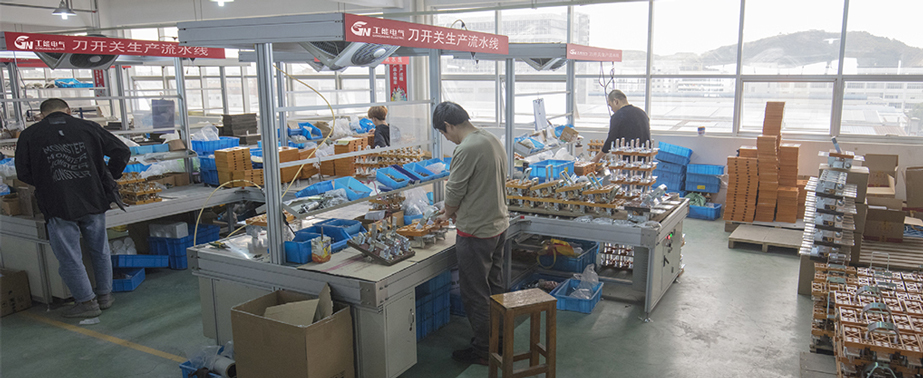
Equipped with standard workshops spanning more than 12,000 square meters, we integrate standard raw materials with advanced process controls. By positioning quality control points at key assembly checkpoints and employing Statistical Process Control (SPC) tools, we ensure precision-engineered results. Our robust traceability system records the lifecycle of every component—from accessories and production date to key operating parameters—guaranteeing elite reliability.
We prioritize system innovation, core technology research, and strict adherence to modern enterprise systems. In line with our mission of "quality first, customer first", we collaborate with international distributors to deliver robust, energy-efficient solutions designed to withstand harsh operating conditions.
Inside our precision production lines and testing stations in Wenzhou, China.
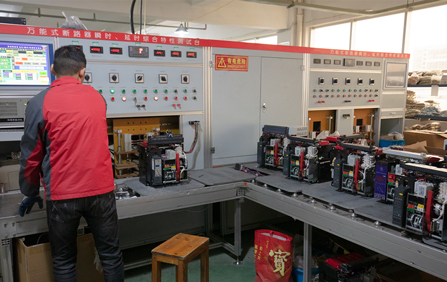
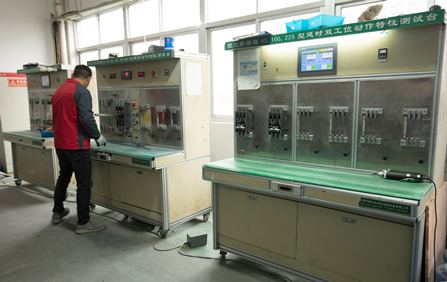
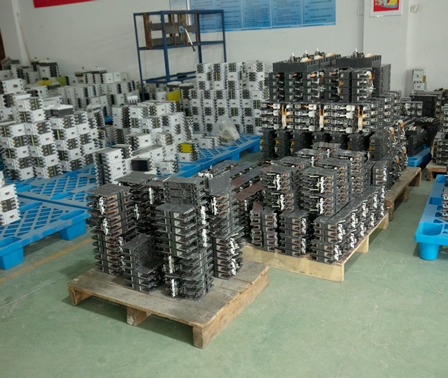
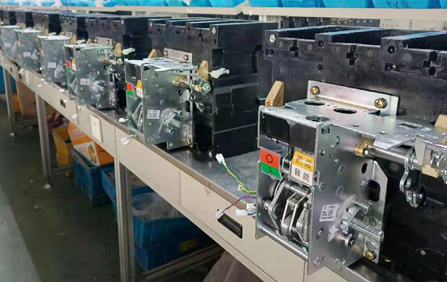
Tested and validated according to international standards (IEC/EN, ISO, CE) to ensure reliability.
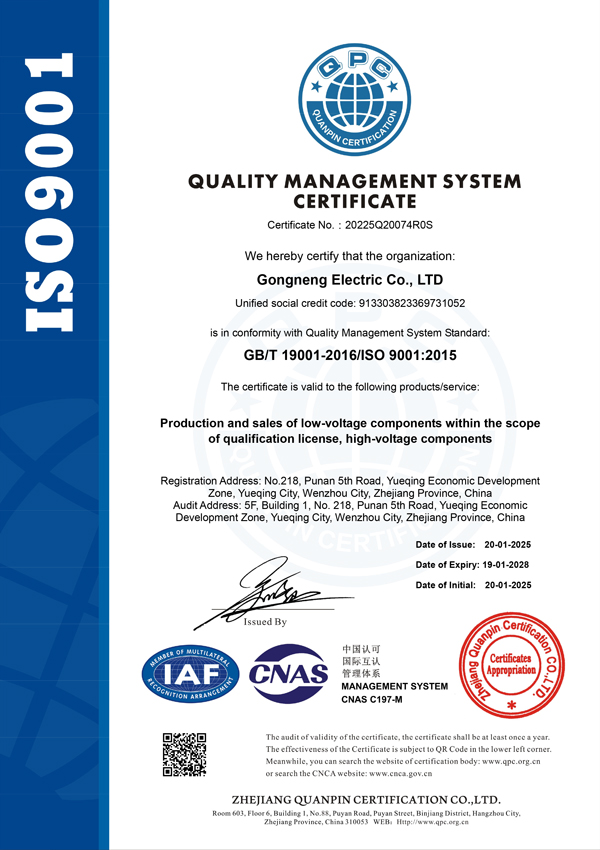
ISO9001 standard manufacturing and supply processes.
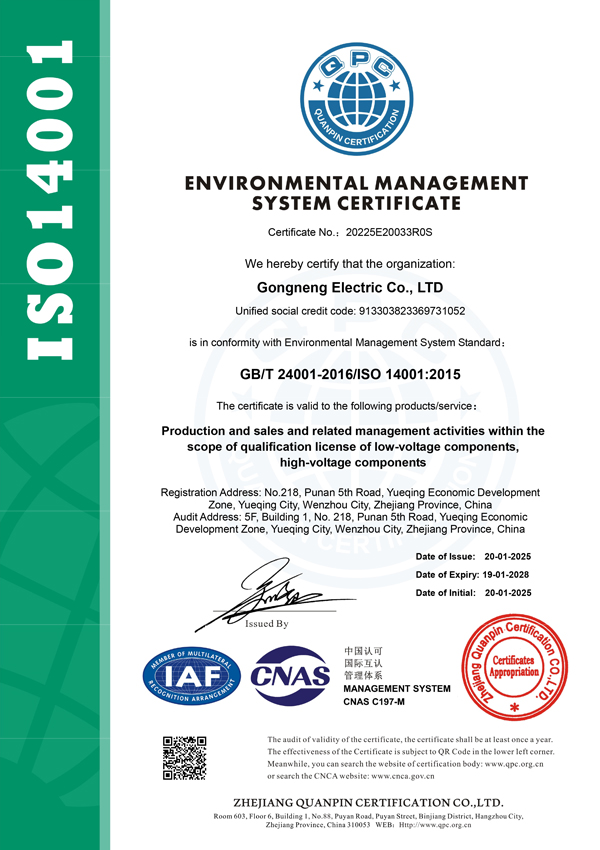
Compliance certification for international distribution systems.
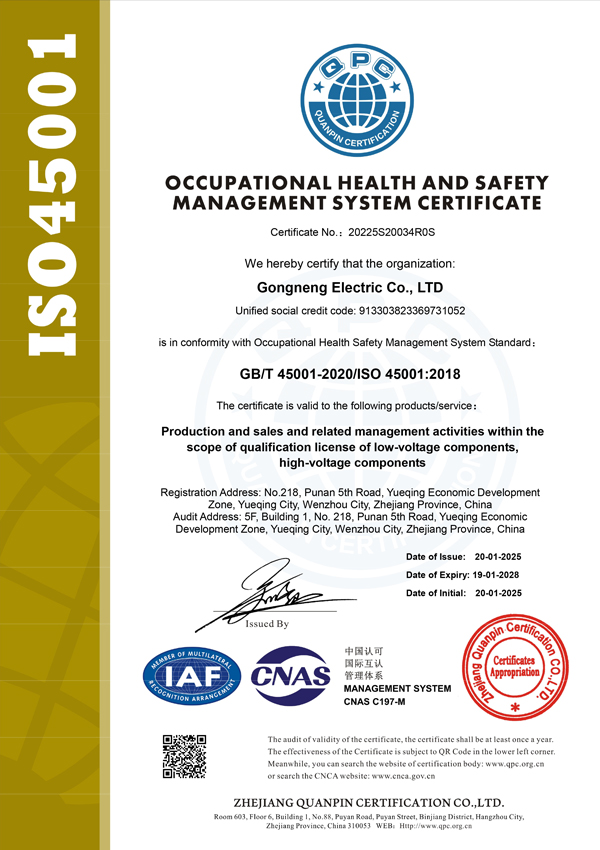
Recognitions for low-voltage safety research & developments.
Engineered to adapt to distinct regional standards, temperatures, and damp environments.
Tropical climates accelerate insulation degradation and corrosion. Our leakage circuit breakers for Southeast Asia and South America utilize specialized anti-corrosive coatings on copper contacts and tropicalized polymer housings, preventing fungal growth and keeping physical leakage paths dry.
At high altitudes, thin air reduces thermal dissipation. To prevent overheating, our customized MCBs and RCBOs feature derating matrices calibrated for operational altitudes up to 4000m, backed by low-temperature grease to prevent mechanism freezing down to -40°C.
Modern variable speed drives introduce high-frequency harmonics that often trigger false trips. We supply specialized Type F and Type B RCDs with low-pass filtering. This design guarantees protection against dangerous electric shock currents while preventing unnecessary operational downtime.
Leading the transition to digitalized protection, IoT connectivity, and solid-state breakers.
The future of low-voltage distribution relies on real-time data. Our upcoming generation of smart leakage circuit breakers incorporates Modbus and Wi-Fi/Zigbee chips. This allows facility managers to monitor real-time operating currents, voltage fluctuations, and temperature rises remotely. Predictive maintenance models analyze these trends to flag issues before critical failure occurs.
Mechanical contacts produce electric arcs during tripping, which can degrade contacts over time. Our R&D division is actively testing hybrid solid-state circuit breaking systems. By switching load currents via silicon-controlled rectifiers (SCRs) or IGBTs within microseconds before mechanical separation, we aim to eliminate arc flash and extend the operating life of our devices.
Leveraging Wenzhou's world-class electrical clusters for cost efficiency, speed, and reliability.
Based in Yueqing, Zhejiang—the low-voltage electrical capital of China—our facility has direct access to a localized supply chain. From copper stamping and precision coil winding to molded plastic components, all raw materials are sourced within a 15-kilometer radius, minimizing logistics delays.
We implement automated calibration and laser printing lines to maintain consistent batch quality. Using statistical process control (SPC) tools, we monitor tripping limits in real time, keeping our defect rates well below industry averages.
Our facility near Ningbo and Shanghai ports ensures streamlined global shipping. Backed by established raw material contracts and high-capacity production machinery, we maintain short lead times even during peak raw material demands.
Our low-voltage breakers are integrated across challenging industrial and commercial infrastructures worldwide.
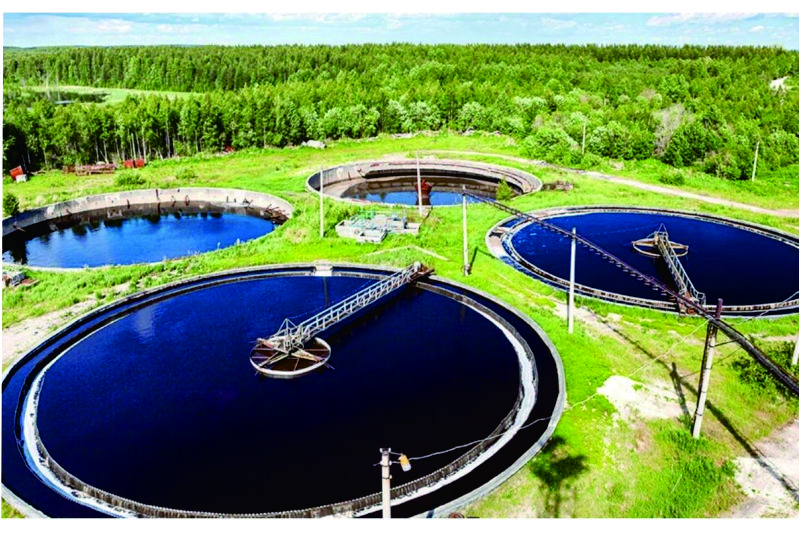
We provide intelligent plastic shell motor protection to handle high starting currents without false tripping, ensuring stable pump operation. Combined with automatic dual-power backup switching and smart capacitors, our solutions improve energy efficiency and maintain continuous water management.
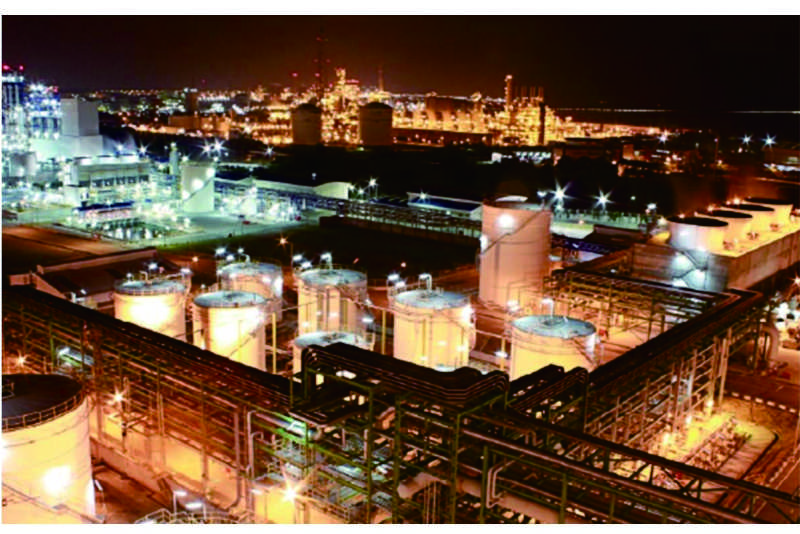
Designed for demanding hazardous environments, our distribution systems are engineered for high loads and corrosive settings. They provide robust protection against phase losses and overloads, helping plants transition toward safer and more reliable operation modes.
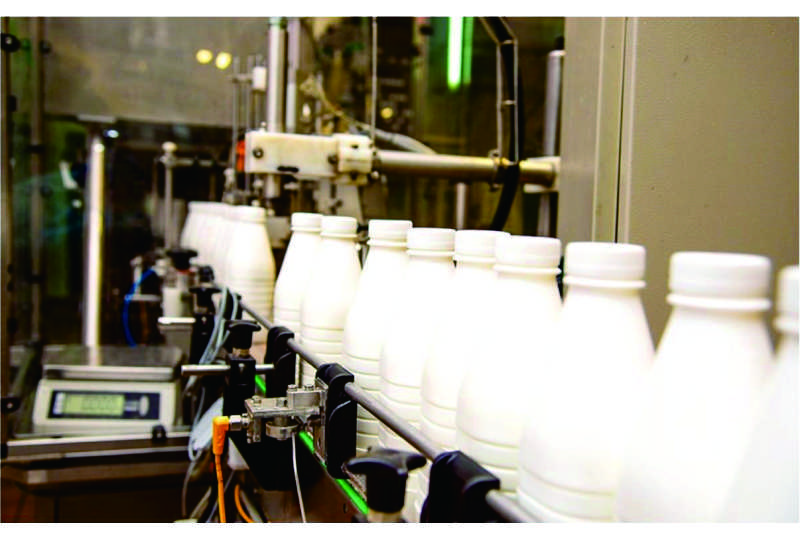
Our intelligent universal circuit breakers and electronic molded-case devices support green manufacturing and energy-conservation initiatives. Real-time data access via PC and mobile terminals helps operations optimize power consumption and streamline equipment maintenance.

We supply eco-friendly, RoHS-compliant products that do not contain lead, mercury, or cadmium. From ACB and MCCB devices to ATS dual-power switches and miniature terminal breakers, our systems ensure safe and clean power distribution throughout hospitality networks.
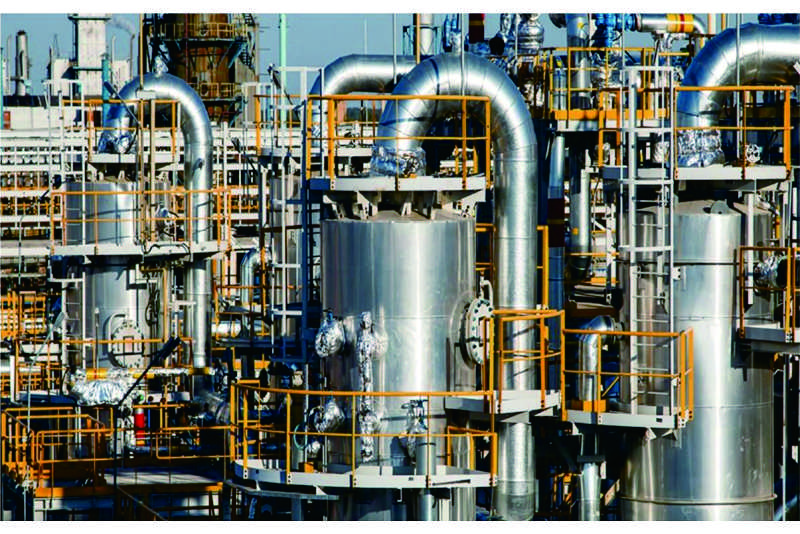
To support high-continuity chemical processing plants, we use calculations of system fault currents to select protection devices. Integrated microcomputer monitoring systems help maintain system stability, protect operators, and prevent unplanned shutdowns.
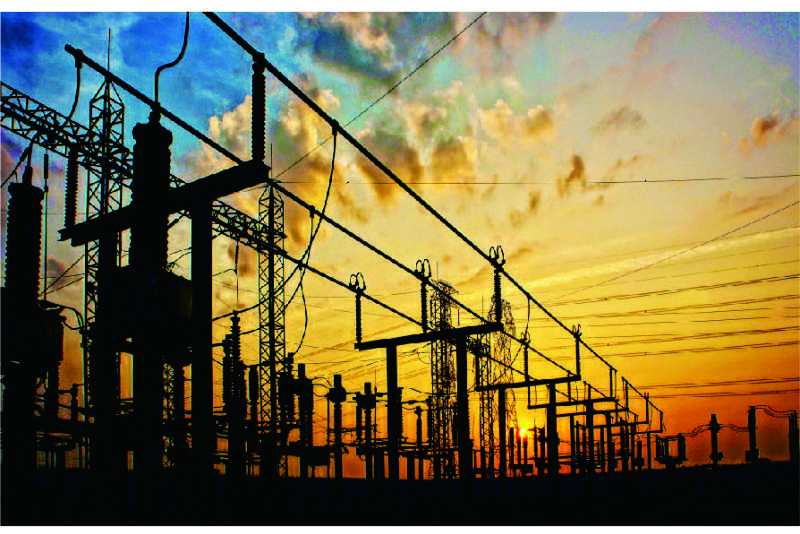
To simplify engineering upgrades and installations, we conform to State Grid Corporation of China's standardized low-voltage cabinet designs. This standardized structure enhances device compatibility, improves quality consistency, and simplifies system expansions.
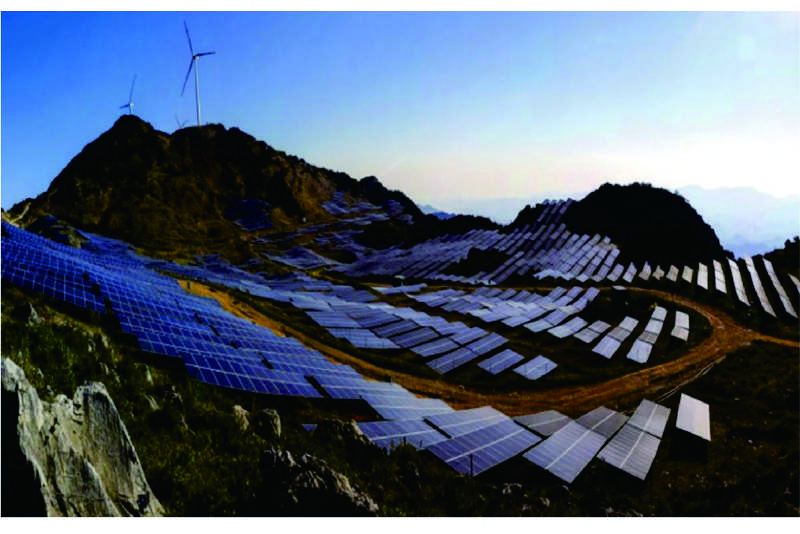
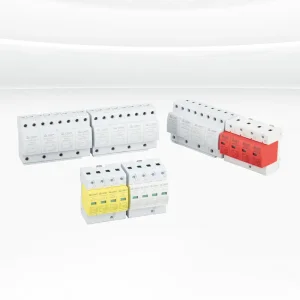
Our DC molded case circuit breakers and surge protection devices are built for renewable energy networks. From utility-scale solar farms to smart microgrids, they minimize system losses, manage reverse currents, and safeguard power generation equipment.
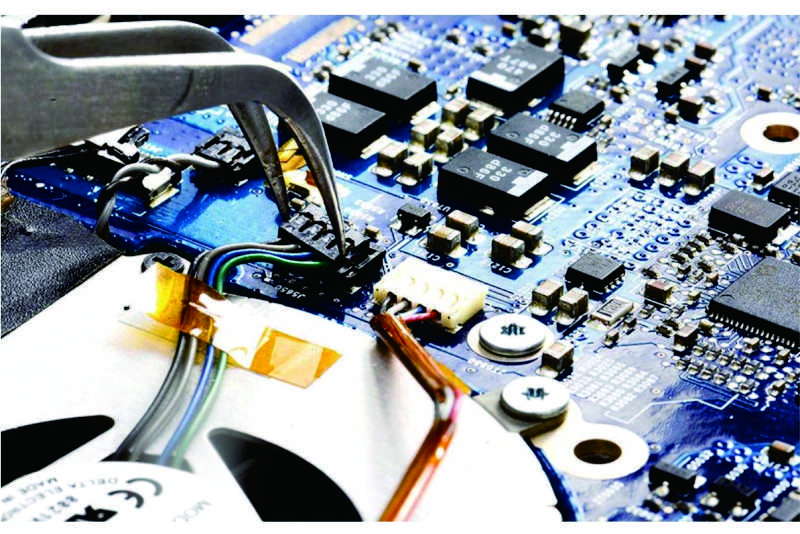
Our solutions prevent damage to electronic manufacturing systems from voltage drops, transient fluctuations, and electrostatic discharge. Real-time network monitoring helps maintain power quality and reduces the risk of process interruptions.
Explore our specialized product categories, featuring miniature breakers, MCCBs, fuses, and capacitors.
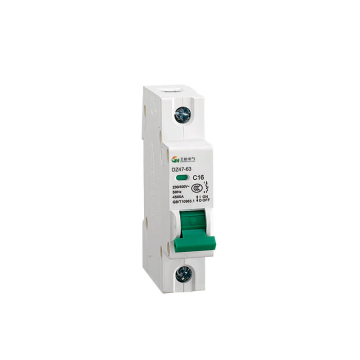
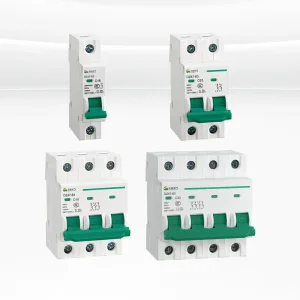
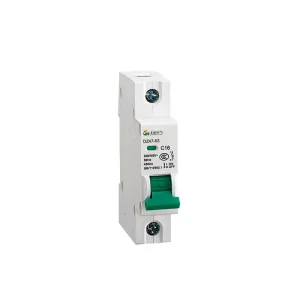
Standard terminal distribution protection against overloads and short circuits in residential and light industrial applications.
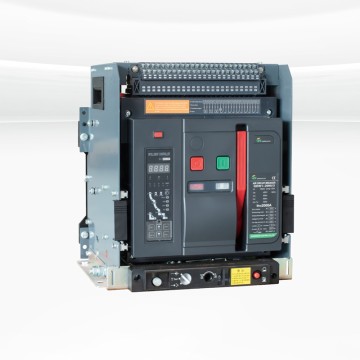
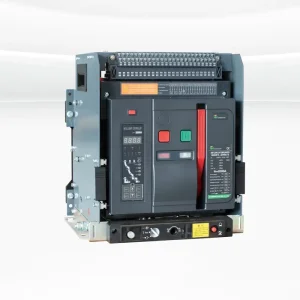
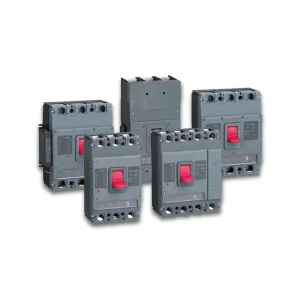
High-current mains incoming protection featuring smart control trip units and communications interfaces.
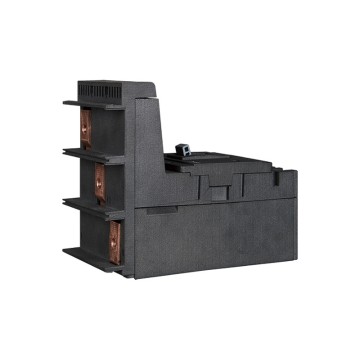
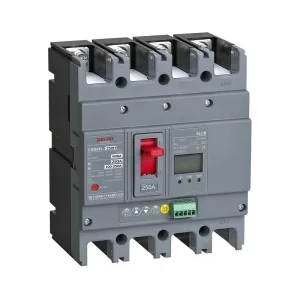
Compact design allowing direct busbar mounting, optimizing cabinet space and installation efficiency.
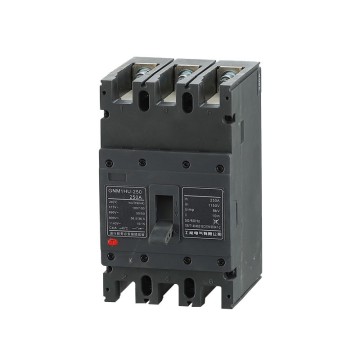
Specially engineered for high-voltage DC photovoltaic arrays and battery storage systems.
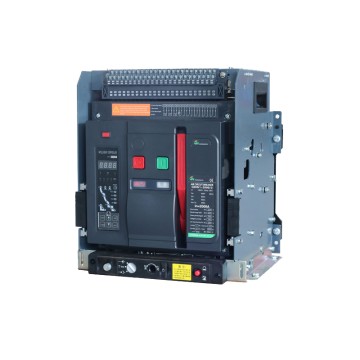
Reliable power grid entry protection offering high short-circuit breaking capabilities.
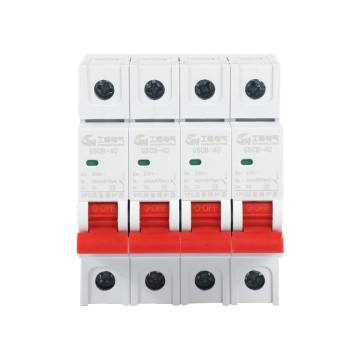
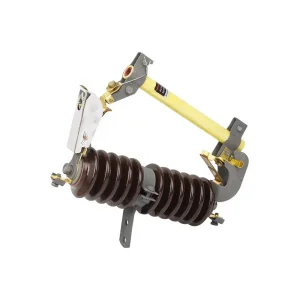
Reliable short circuit protection for industrial grids and transformers.
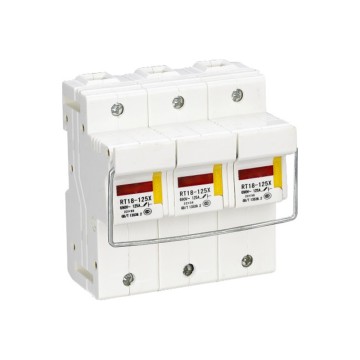
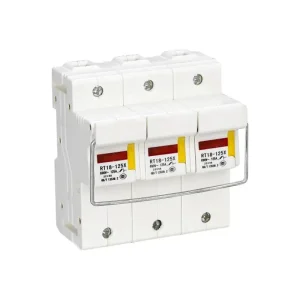
Finger-safe design for DIN rail mounting, suitable for cylindrical fuse links.
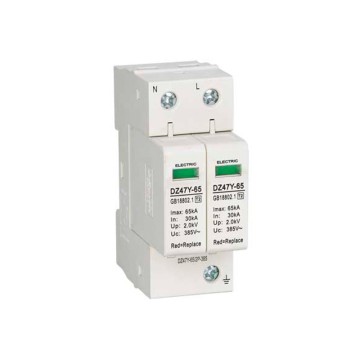
Reliable current limiting protection for control and distribution lines.
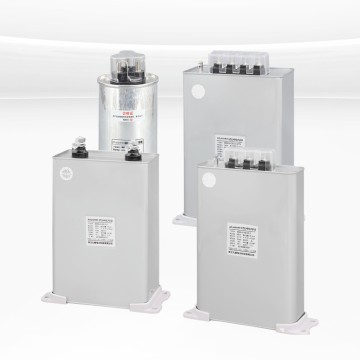
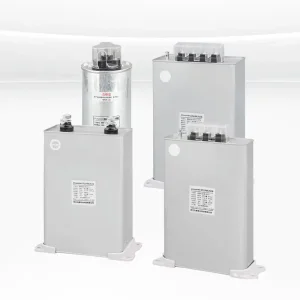
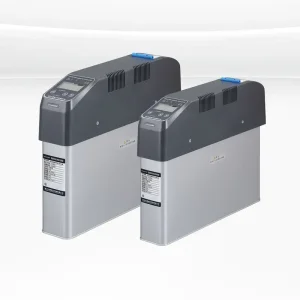
Improves system power factor and reduces reactive power losses.
Professional electrical insights from our engineering and manufacturing specialists.
High-capacity switches, low-voltage capacitors, and industrial fuses for complete distribution systems.
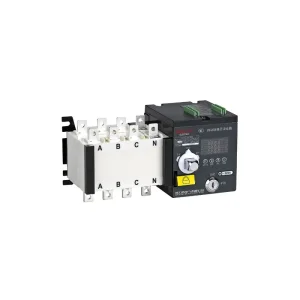
 Igoye Energy