 Igoye Energy
1 / 3
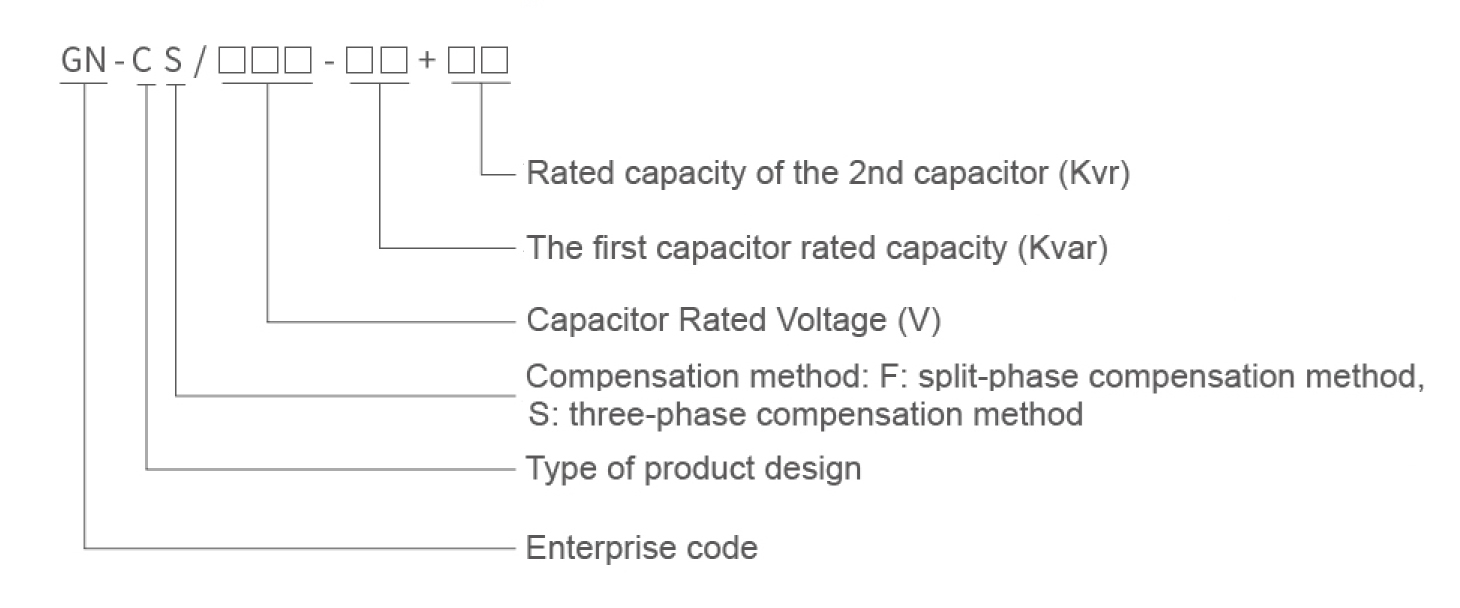
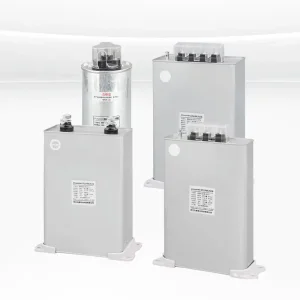
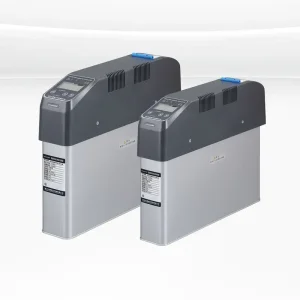
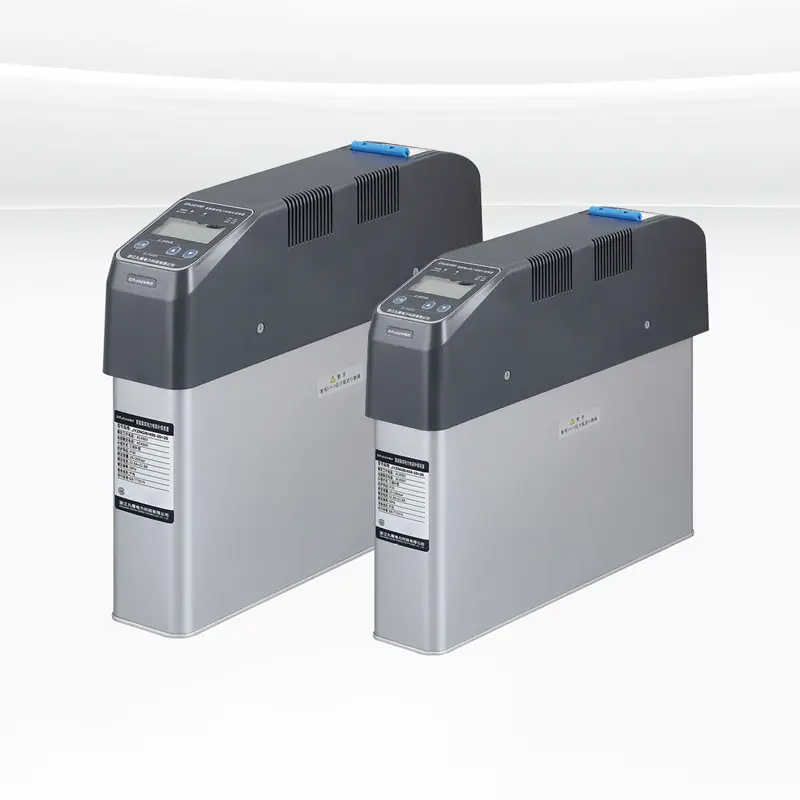
GNCS integrated intelligent power capacitor compensation device (intelligent electric guest) is an advanced power compensation equipment designed to improve the efficiency and stability of the power system. The device consists of several key components, including intelligent measurement and control unit, zero transfer switch, intelligent protection unit, and various types of low-voltage self-healing power capacitors. These capacitors can be two (△ type) or one (Y type), or two (Y type) or one (△ type) and one (Y type), or a combination of two (△ type) and one (Y type) to form an independent and complete intelligent compensation unit.
The GNCS device is designed to temporarily replace the automatic reactive power compensation device assembled from a variety of dispersed devices. These dispersed devices usually include intelligent reactive power controllers, fuses (or micro-breakers), thyristor composite switches (or connectors), thermal relays, indicator lights, and low-voltage power capacitors. By integrating these functions, the GNCS device not only simplifies the structure of the system, but also improves the flexibility and reliability of operation.
In addition, the GNCS integrated intelligent power capacitor compensation device can monitor the operating status of the power system in real time and automatically adjust the compensation strategy to adapt to load changes, thereby effectively improving the power factor, reducing energy consumption, and improving power quality. This makes the GNCS device an ideal solution in modern power systems and is widely used in industrial, commercial and public facilities.
The product can be used as a single unit or as a multi-unit network to form a compensation system, which can be used for three-phase compensation, three-phase and split-phase compensation. Intelligent capacitors integrate electronic technology, sensing technology, network technology and electrical appliance manufacturing technology, and integrate traditional reactive power compensation products into integration, networking and intelligence. It has changed the structural mode of the existing low-voltage reactive power automatic compensation equipment, greatly improved the reliability and service life of the equipment, and has the comprehensive advantages of simple structure, simple production, reduced cost, improved performance and simple maintenance.