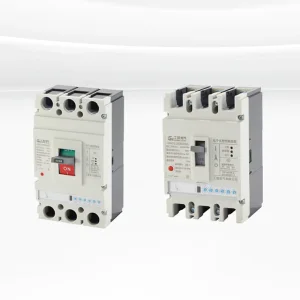
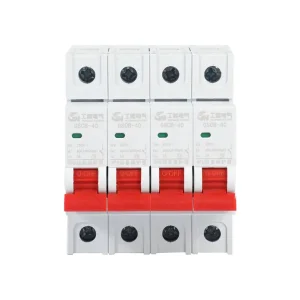
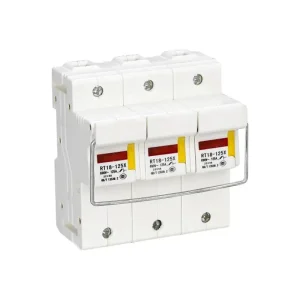
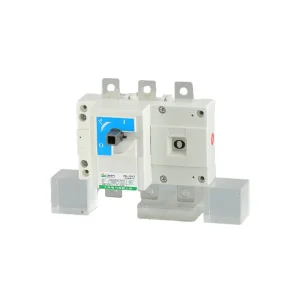
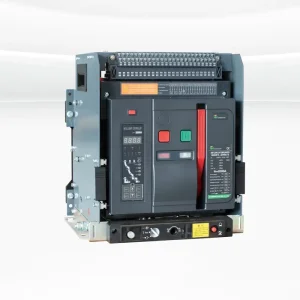
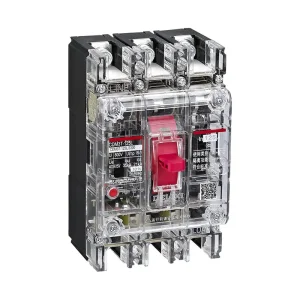
China 690V Industrial Air Circuit Breaker (ACB) Manufacturers

Advancing Global Power Safety through Intelligent 690V Topology & Precision Engineering. A Comprehensive Industry White Paper.

The Global Significance of 690V Air Circuit Breakers (ACB)

In the evolving landscape of industrial power distribution, the 690V Air Circuit Breaker (ACB) has emerged as the cornerstone of high-efficiency electrical architecture. As global industries shift toward decentralized energy and high-power-density manufacturing, the demand for robust 690V systems has skyrocketed. Unlike traditional 400V systems, 690V topology allows for lower current levels at the same power output, significantly reducing cable sizes and copper losses.

Industry Insight: The shift from 400V to 690V can reduce system-wide energy losses by up to 25% in heavy-duty industrial environments like mining, wind energy, and marine propulsion.

Global Commercial & Industrial Status

Today, the 690V ACB is not just a safety component; it is a critical asset for uptime. In regions like the EU and North America, strict environmental regulations (RoHS, REACH) and energy efficiency mandates are driving the replacement of legacy systems with intelligent 690V ACBs. China, as the world's primary manufacturing hub, has transitioned from a follower to a leader in this space, offering high-performance ACBs that integrate IoT monitoring and predictive maintenance features.

Smart Grids Integration

Modern ACBs now support Modbus/TCP and Profibus protocols for real-time data streaming into SCADA systems.

Renewable Energy Hubs

Essential for wind turbine nacelles and solar inverters where high voltage and vibration resistance are paramount.

Data Center Reliability

690V systems facilitate the ultra-high density power requirements of AI-compute centers.

The Competitive Edge of China's ACB Factories

Why are global EPC contractors looking towards China for 690V ACB solutions? The answer lies in the unique "Cluster Efficiency" of regions like Yueqing. China-based manufacturers like Zhejiang IGOYE Energy Technology Co., Ltd. have perfected the balance between cost-optimization and high-end technical specs.

  • Supply Chain Verticality: From copper contacts to electronic trip units, the entire ecosystem is localized, ensuring rapid lead times.
  • R&D Investment: Chinese factories are now pioneering "Zero-Arc" technology and ultra-fast breaking speeds to protect sensitive electronic loads.
  • Customization (ODM/OEM): The ability to adapt dimensions and trip characteristics to specific regional switchgear standards.
12,000+

Square Meters Factory

212

Skilled Workforce

180+

Testing Equipment Units

20

Senior R&D Personnel

Company Profile: Zhejiang IGOYE Energy Technology

Located in the Economic Development Zone of Yueqing City, Zhejiang Province, Zhejiang IGOYE Energy Technology Co., Ltd. is strategically positioned near Qili Harbor and Yueqing Bay. We are committed to the research, development, and production of low-voltage electrical appliances, specifically focusing on "industrial energy boutiques."

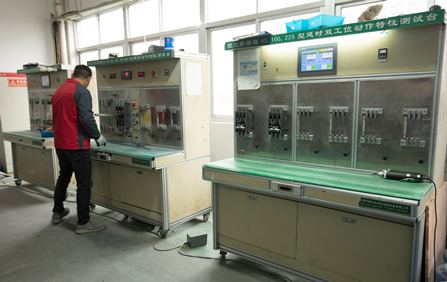
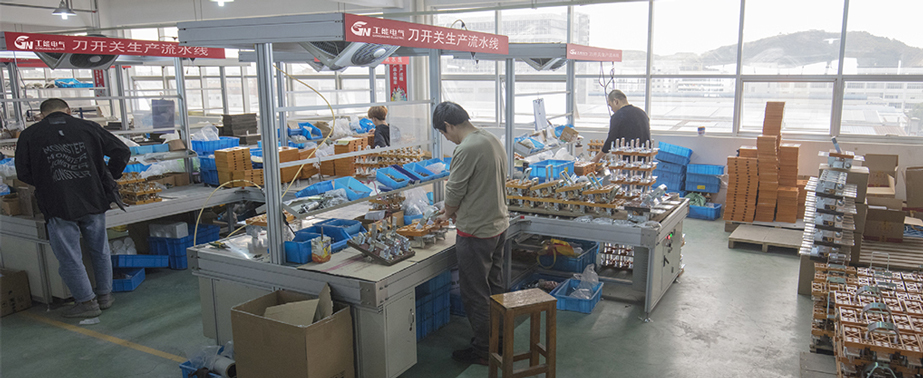
Our facility operates under a strict enterprise management system, utilizing SPC (Statistical Process Control) tools and a comprehensive traceability system. This ensures that every 690V ACB leaving our factory meets the highest international standards for safety and reliability.
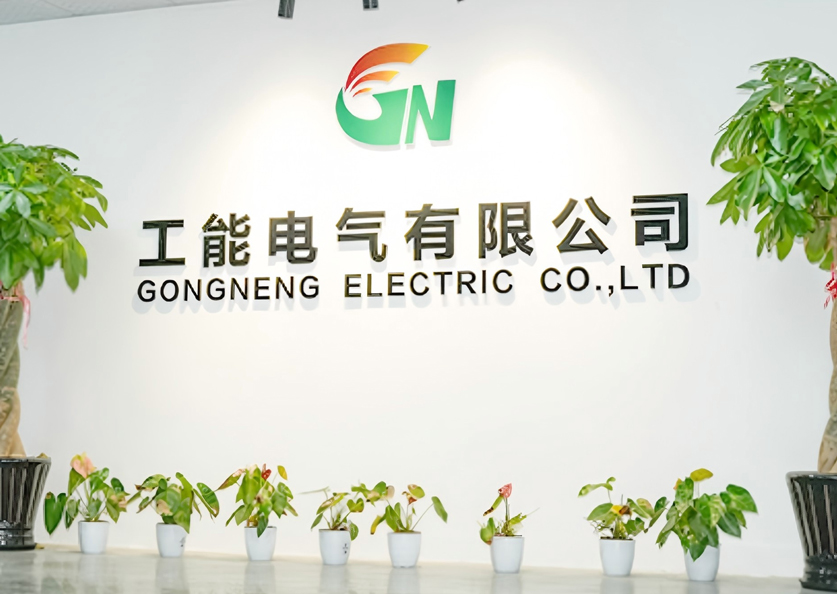
Factory Overview

Advanced Industry Solutions

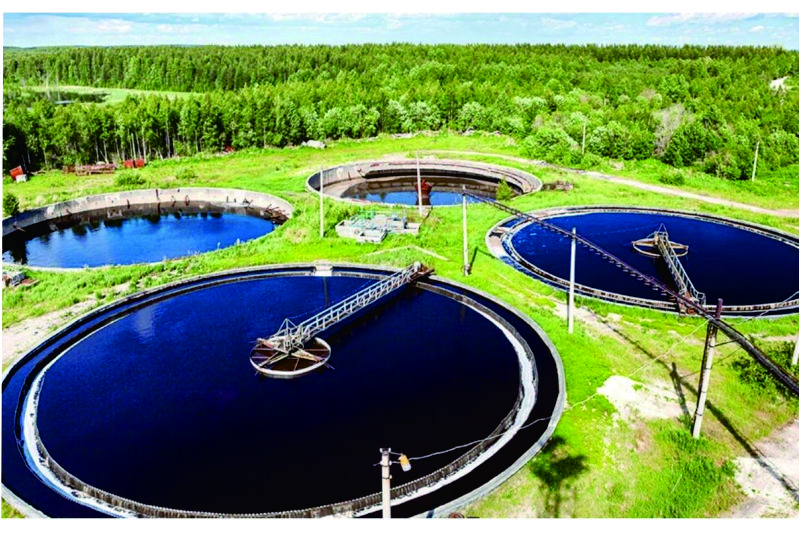
Water Treatment

Water Treatment Solutions

Intelligent protection for pump units ensuring zero-downtime operations.

Petrochemical

Petrochemical Infrastructure

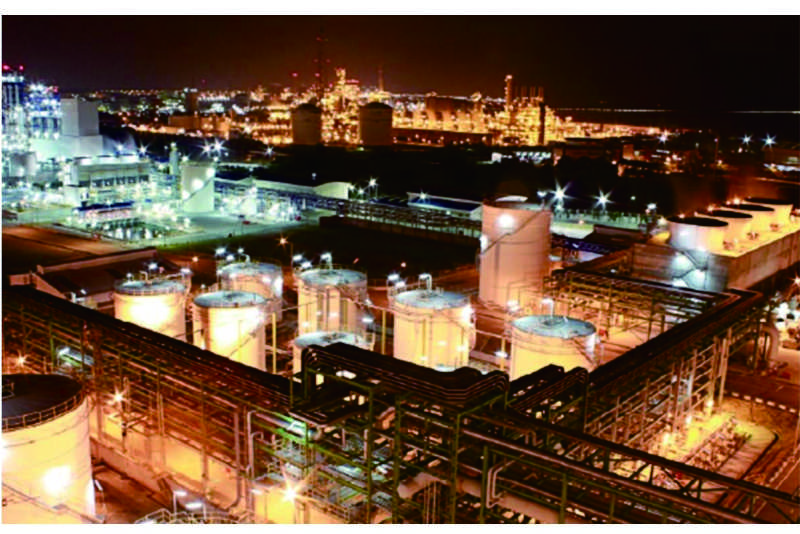
Explosion-proof considerations and high-load reliability in harsh environments.

Photovoltaic

Photovoltaic & Solar

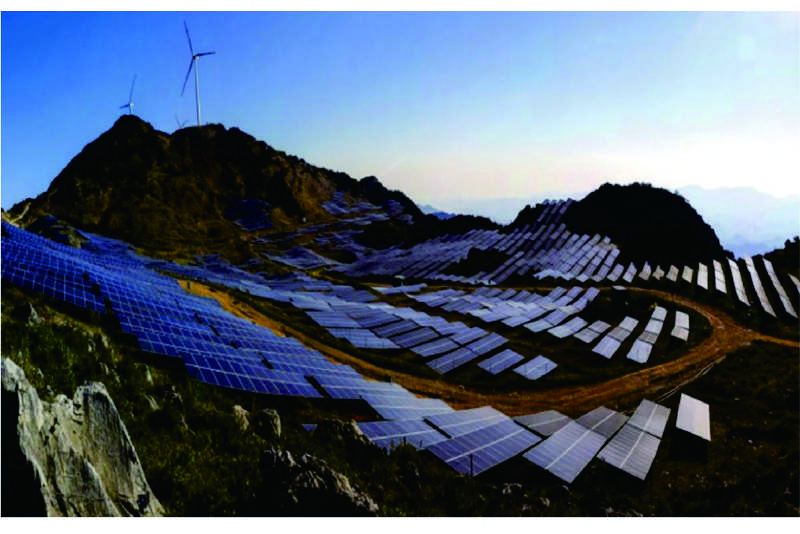
Optimizing system losses and costs in large-scale solar power plants.

Beyond these, our 690V ACBs are utilized in Light Industry for energy conservation, Hotels for safe and environmentally friendly low-voltage distribution, and the State Grid for standardized switchgear cabinets. Each scenario demands specific trip curves and communication protocols, which our R&D team supports through customized ODM services.

Future Trends in ACB Manufacturing

As we look toward 2030, several key trends are redefining the 690V ACB market:

  1. Digital Twins: Manufacturers are providing BIM models and digital twins of ACBs to help engineers simulate thermal and electrical behavior before physical installation.
  2. Sustainable Materials: Reducing the use of silver in contacts and utilizing recyclable thermoplastics to meet ESG goals.
  3. Edge Computing: ACBs that don't just trip, but analyze waveform distortion to identify motor bearing failure before it happens.

Global Procurement Strategies for Enterprises

Procuring industrial breakers from China requires a focus on E-E-A-T (Experience, Expertise, Authoritativeness, and Trustworthiness). Buyers should prioritize manufacturers that provide:
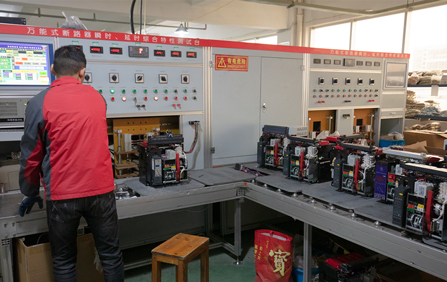
  • Full Type Test Reports from accredited labs (like KEMA or ASTA).
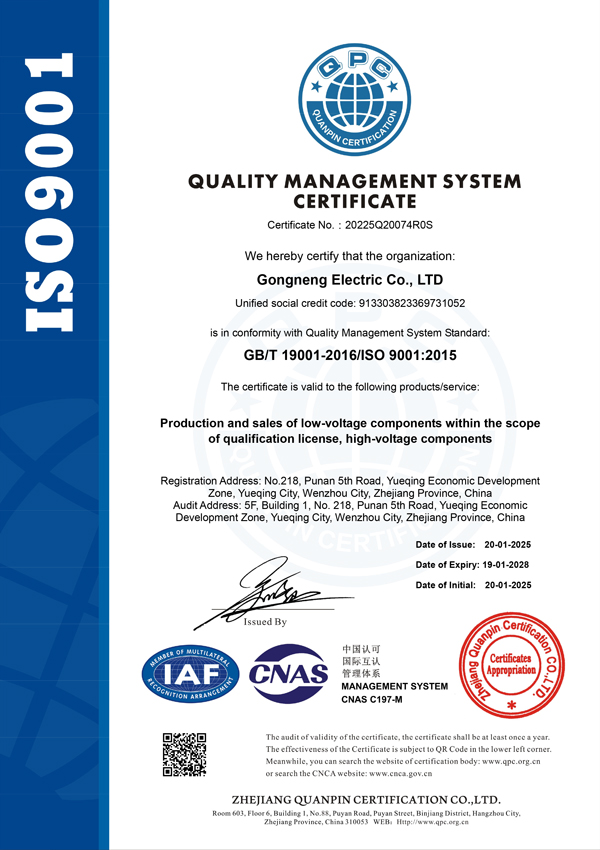
  • Transparent factory audits and ISO 9001 certifications.
  • Comprehensive after-sales support and local component availability.

Technical Q&A: 690V ACB Systems

Why use 690V instead of 400V for industrial motors?
Using 690V allows for the same power delivery with roughly 58% of the current required at 400V. This reduces cable costs, minimizes heat generation, and improves the overall efficiency of the distribution network.
Can Chinese ACBs be integrated into European switchgear?
Yes, most top-tier Chinese manufacturers like IGOYE produce ACBs that conform to IEC 60947-2 standards, making them fully compatible with international switchgear dimensions and requirements.
What is the lifespan of a high-quality 690V ACB?
Typically, a premium ACB is designed for 20,000 mechanical operations and 5,000 to 10,000 electrical operations, with a service life exceeding 15-20 years with proper maintenance.
What customizations are available for ODM orders?
We offer custom trip unit settings, communication protocols (Modbus, Ethernet), specialized auxiliary contacts, and brand labeling for volume orders.

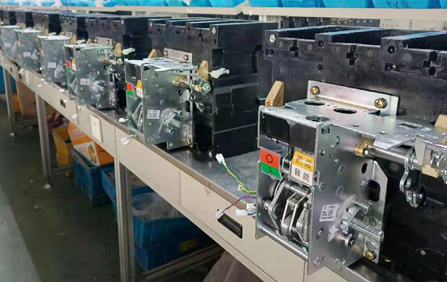
Production & Quality Assurance Environment

Workshop 1 Workshop 2 Workshop 3
Workshop 4 Workshop 5

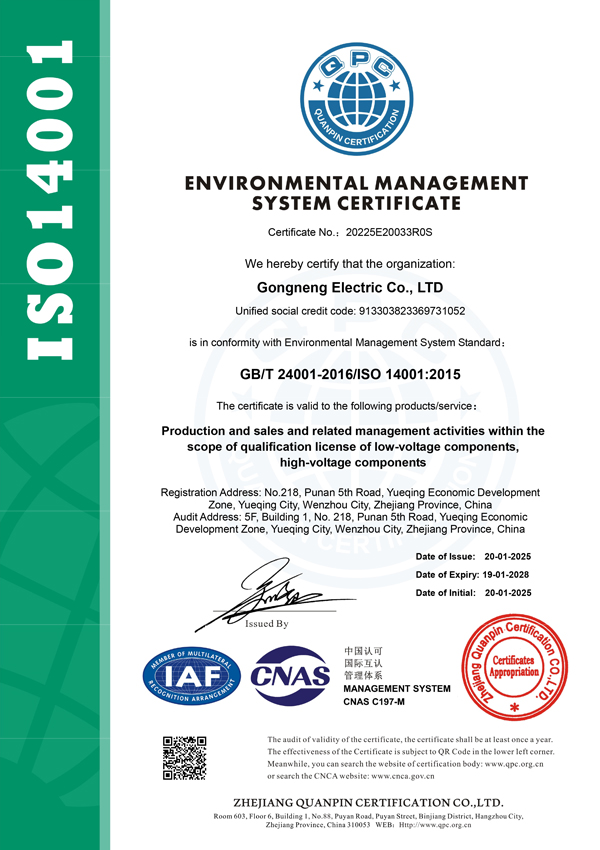
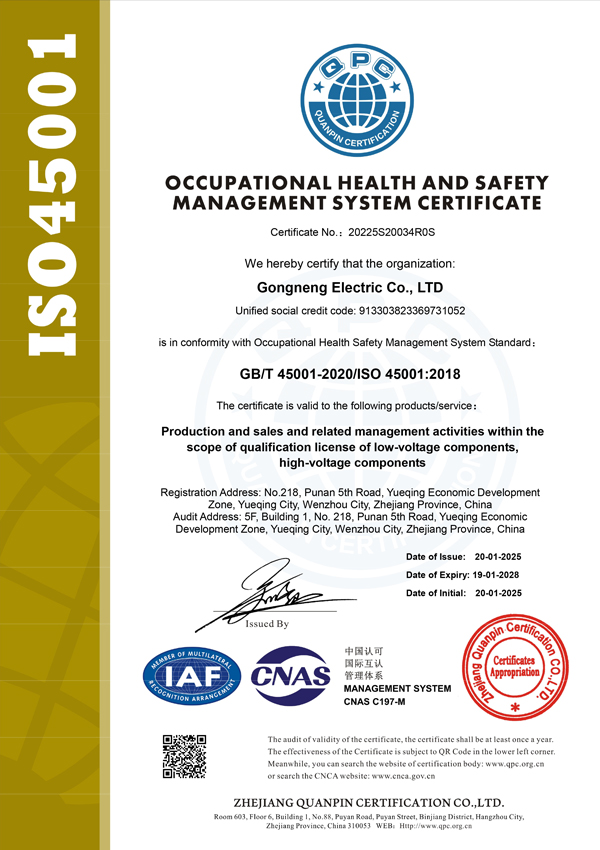
International Certification & Compliance

Cert 1 Cert 2 Cert 3