Expert insights into high-efficiency switching technology and the future of industrial electrical control.
In the rapidly evolving landscape of Industrial IoT (IIoT), the transition from mechanical to solid-state switching is no longer a trend—it is a technical necessity. Unlike traditional electromechanical contactors, Solid State Contactor Relays (SSRs) utilize semiconductor power devices like SCRs, TRIACs, and MOSFETs to perform the switching function. This elimination of moving parts brings forth unparalleled longevity, silence, and high-speed precision.
With no mechanical contacts to wear out or arc, SSRs offer a virtually unlimited operational life, drastically reducing maintenance downtime in 24/7 manufacturing environments.
Advanced ODM designs incorporate zero-cross triggering, which minimizes electromagnetic interference (EMI) and protects sensitive downstream electronics from power surges.
Modern SSR factories focus on SiC (Silicon Carbide) technology to handle higher thermal densities, allowing for smaller footprints in compact control cabinets.
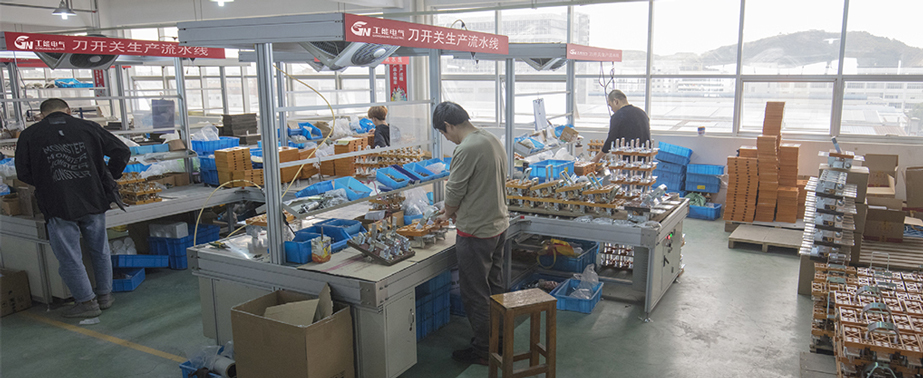
Located in the Economic Development Zone of Yueqing City, Zhejiang Province, ZHEJIANG IGOYE ENERGY TECHNOLOGY CO., LTD. stands at the forefront of low-voltage electrical innovation. With strategic proximity to Qili Harbor and Yueqing Bay, our 12,000-square-meter facility is a hub for global distribution.
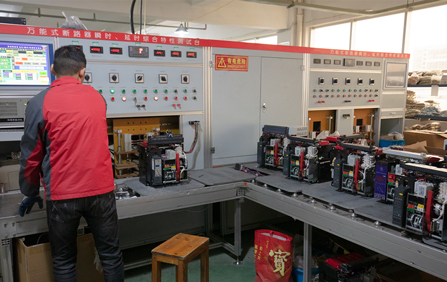
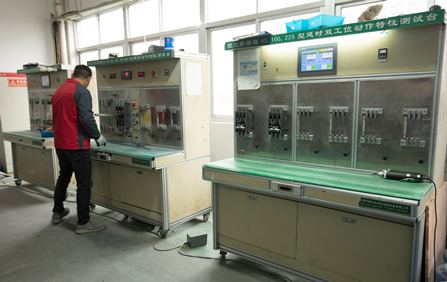
Our commitment to the research and development of Solid State Contactor Relays and circuit breakers is backed by a professional quality inspection team and a strict enterprise management system. By utilizing SPC (Statistical Process Control) tools, we ensure that every unit leaving our factory meets the rigorous demands of the energy and infrastructure sectors.
Bridging the gap between raw power and intelligent control across diverse industries.
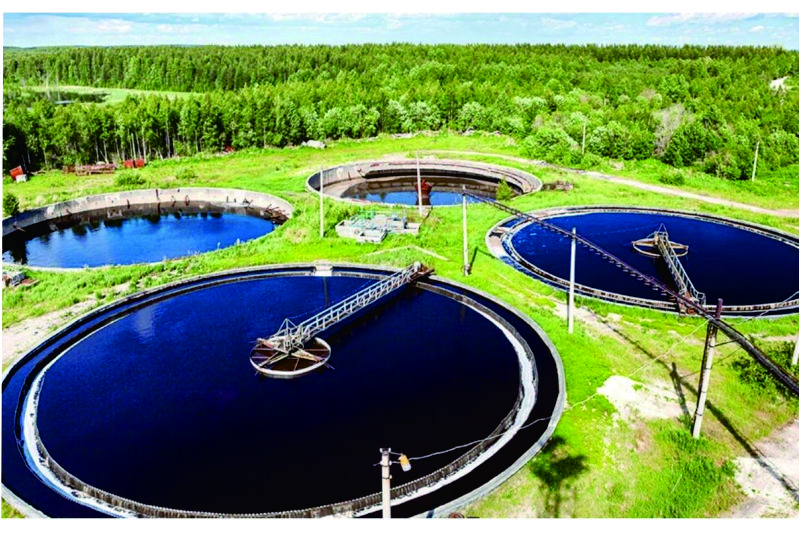
Providing intelligent motor protection and automatic capacitor compensation to reduce transformer losses.
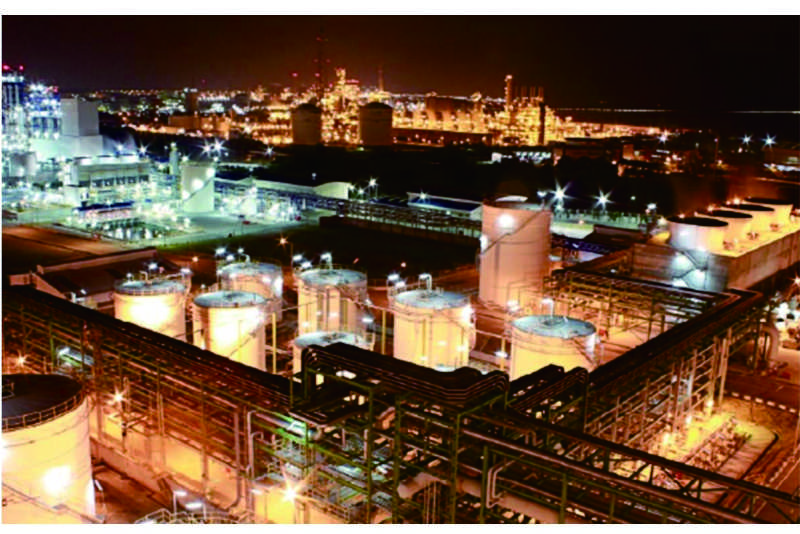
Reliable distribution solutions for harsh environments, ensuring safety and continuous operation.

EU ROHS compliant switches and ATS systems for eco-friendly and safe guest experiences.
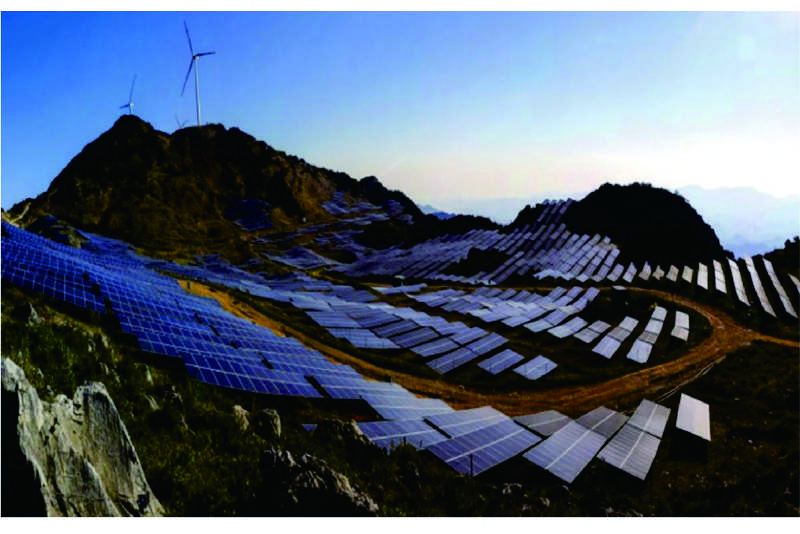
Supporting China's rapid solar expansion with high-voltage DC components for microgrids.
As we look toward 2030, the demand for ODM Solid State Contactor Relays is shifting toward higher integration. Future technical roadmaps include the adoption of Gallium Nitride (GaN) power stages, which offer even lower "on-resistance" and faster thermal dissipation than current silicon-based counterparts. This allows for miniaturization in EV charging infrastructure where space is at a premium.
From a procurement perspective, global enterprises are no longer just looking for a "supplier"—they are looking for an ODM Partner. Procurement needs have moved beyond cost-per-unit to Life Cycle Value (LCV). Key requirements now include:
• Localized technical support for rapid troubleshooting.
• Full compliance with UL, CE, and RoHS standards.
• Traceability systems that track every component back to the production date and testing parameters.
Furthermore, the integration of Smart Diagnostics within the relay itself is becoming standard. Future SSRs will communicate via Modbus or Ethernet/IP to provide predictive maintenance alerts before a failure occurs, moving the industry from reactive to proactive energy management.
Addressing the most critical concerns of procurement and engineering teams.
A: SSRs generate heat due to the voltage drop across the semiconductor. Unlike mechanical contactors, they require heat sinks or active cooling. Our ODM designs utilize high-thermal-conductivity ceramic substrates and aluminum housings to dissipate heat efficiently.
A: Yes, but they must be derated or specifically designed to handle high back-EMF. Our Intelligent Universal Circuit Breakers and SSRs are optimized for motor start-up curves to prevent nuisance tripping.
A: ODM allows for customized mounting configurations, specific trigger voltages, and integrated protection features (like over-temperature shutoff) that are tailored to your specific machine architecture, improving overall system reliability.
A: We operate under a strict traceability system and modern enterprise system operation. All products undergo rigorous testing in our 180+ units of testing equipment to meet CE, CCC, and other local compliance standards required by our global partners.
 Igoye Energy